
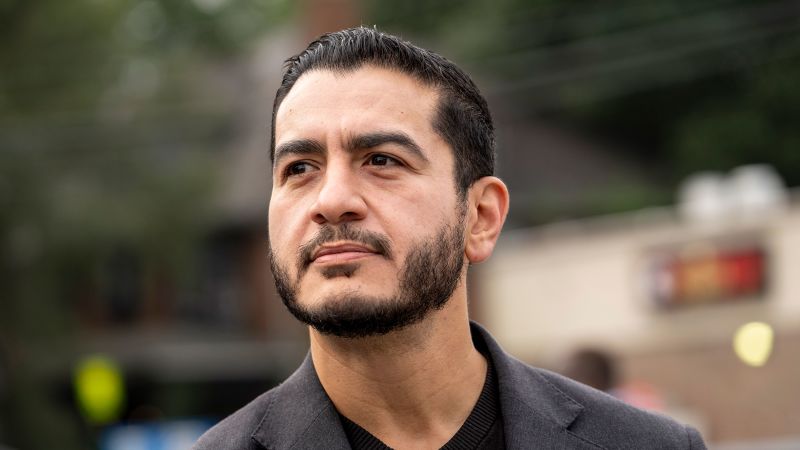
Detroit —
Abdul El-Sayed predicts that he will win the Michigan Senate race by 7 points.
That attitude, as he expressed to CNN last Friday, and the approach stemming from it is why leading state Democrats privately worry he won’t win at all.
“Michiganders understand the stakes of this election,” said one prominent state Democrat who’s been trying to help. “They want to vote for Democrats and just need to be given a reason to — and not a reason not to.”
Ahead of Thursday night’s sole debate, the Michigan Senate race has remained a nail-biter even as President Donald Trump is deeply unpopular due to the war in Iran and the impact of his tariffs in this northern border state. That’s even as Democrats are threatening to flip Senate seats in far more conservative states like Kansas, Iowa and Texas.
El-Sayed’s defiant approach amid a barrage of outside spending and national party doubts helped him defeat Rep. Haley Stevens – albeit by 1 point and not the double-digit margin he had predicted to CNN beforehand. But in conversations with El-Sayed, Republican nominee Mike Rogers, and party leaders across the state, it’s clear that some people in key Democratic constituencies that sided with Stevens are still not bought into El-Sayed’s campaign with one month to go.
Black and Jewish leaders are warning that they and many in their communities need more outreach. Multiple people relayed to CNN conversations they’ve had with El-Sayed in which he’s asked for their support but also noted that he can make up the votes he loses in their communities elsewhere.
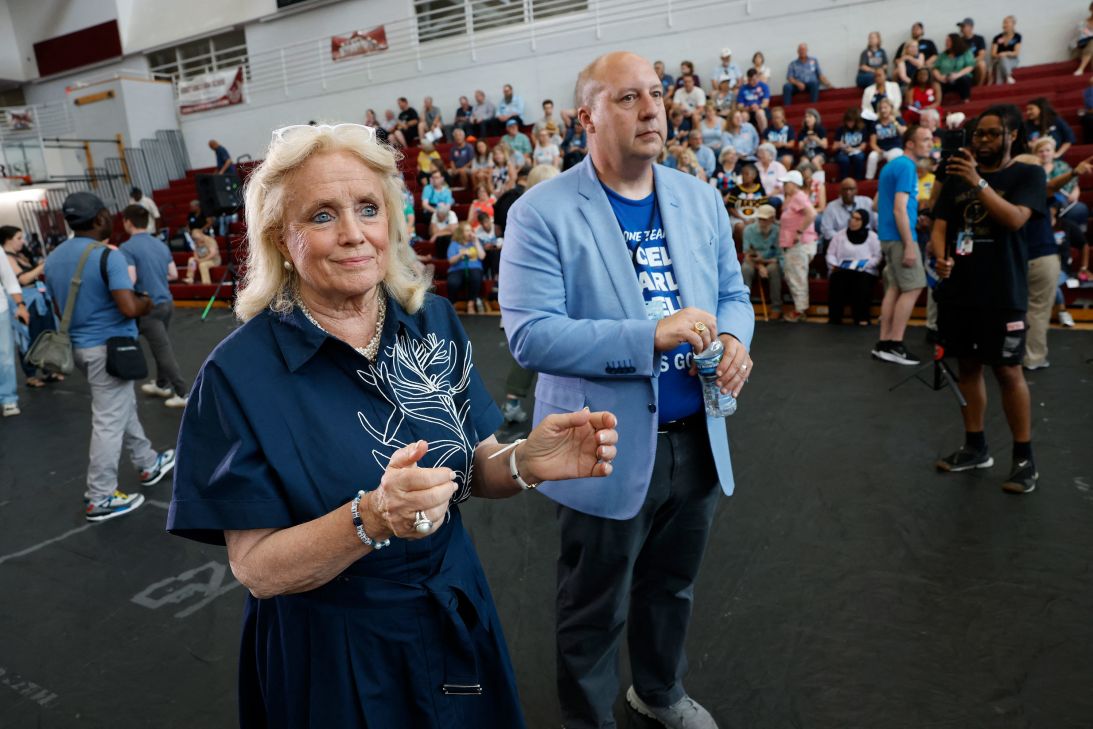
“This election is not over until Election Day,” said Rep. Debbie Dingell, who stayed neutral in the primary but has been a prime El-Sayed booster since he won and whom his campaign pointed to as a key supporter. “We’ve got to work every single demographic and not take anything for granted.”
One Black leader in Detroit who asked not to be named told CNN about a conversation with El-Sayed which left a feeling, in his words, of “they believe they don’t necessarily need to work as hard to get the Black vote.” He never received an invitation he was promised by El-Sayed to join a roundtable with the candidate.
That was enough for the leader to take a meeting with aides to Rogers – but not without some guilt.
“I felt so bad, I texted him,” the leader said of El-Sayed. “But I didn’t hear back. So, f**k him.”
Lansing Mayor Andy Schor supported Stevens in the primary. Schor says his Jewish heritage also leaves him uncomfortable with some of what he’s heard from El-Sayed, a longtime critic of Israel who has referred to its war in Gaza as a genocide and declined to say the country should exist as a Jewish state.
Schor said he won’t vote for Rogers but also won’t back El-Sayed – at least until they have a conversation. He hasn’t heard from El-Sayed yet.
“If he doesn’t need me, he doesn’t need me,” Schor said. “And that’s their strategic decision.”
El-Sayed’s campaign didn’t respond when asked about the roundtable invitation or scheduling the meeting with Schor. But speaking to CNN, he defended his outreach to groups that still have questions about him.
“Every community that I’ve met with, I’ve said, ‘Leading for and with your community is a concern and a key consideration for me,’” he said. “I could spend all of my time with any one community and it probably wouldn’t be enough. And that’s perfectly fair. People deserve a US senator who’s going to show up and listen, but I’ve showed up and listened.”
El-Sayed arrived for lunch at the Detroit 75 Kitchen food truck, ordering a spicy chicken shawarma, double meat. He exchanged bro hugs with all of the men and took photos. He asked the name of the man taking his order – Musa – and noted that he had a nephew with the same name.
Excited employees sent over a free order of cheesesteak egg rolls, then a large container of garlic-cilantro fries. Musa came over for a photo. Then one of his co-workers followed.
El-Sayed has captured national attention with his appeals to enact Medicare for All and target money in politics. His criticisms of Israel are in line with an increasingly anti-Israel party base. On Monday, he was in New York City for a fundraiser with Rep. Alexandria Ocasio-Cortez, hours after announcing Barack Obama would campaign with him in Michigan later in October.
“I’m not the Democrat the Democrats want, but I am the Democrat that Democrats have. And I am decidedly not a Republican. But this is what I’ll tell you: I am a Democrat that Michiganders want,” El-Sayed told CNN outside the food truck.
El-Sayed says he’s been pressured to modulate his positions since he beat the more moderate Stevens in the August primary, though he insists he will not. But he talks less about the American Israel Public Affairs Committee, which spent $33 million through its super PAC trying to defeat him, and sticks more to frustration over high prices for ground beef, gas and healthcare.
El-Sayed has quietly made one concession: He distanced himself from Hasan Piker after campaigning through the end of the primary with the streamer, who’s said that Jews who keep supporting Israel should worry about their safety and that America is “pound for pound” worse than Al-Qaeda. El-Sayed recently called Piker and warned his rhetoric was costing El-Sayed votes, asking him to stop, according to two people El-Sayed told about the conversation. Piker did not respond to requests for comment.
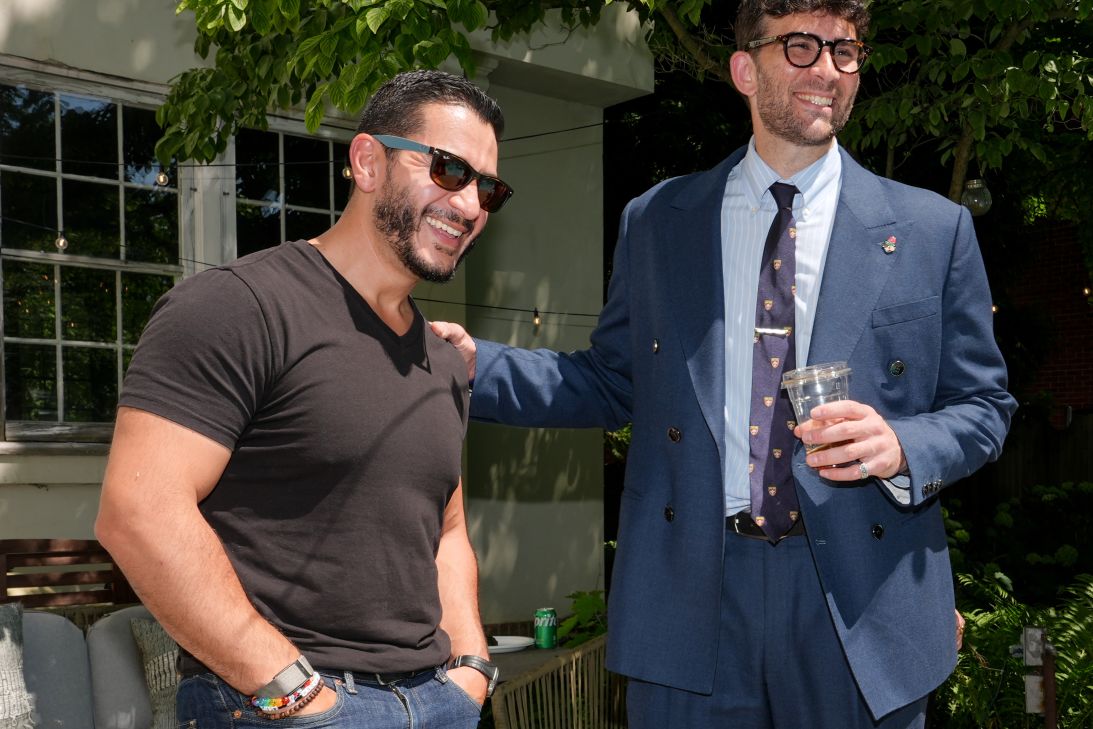
As El-Sayed left lunch, he posed for more photos and chatted with a Black man in his 40s who asked whether some of what he’d been seeing in ads is true: that El-Sayed had some connection to ISIS or that he wasn’t born in Michigan.
The man told CNN afterward that he wasn’t comfortable with his name being public, but that El-Sayed’s answers satisfied him.
Asked if that was enough to earn his vote on the ballot sitting on his desk back home, the man said he still had other claims about El-Sayed to sort through.
Sitting in his office at the Shaarey Zedek synagogue in the Detroit suburb of Southfield, Rabbi Aaron Starr said that while he was proud to host 3,000 people in the concrete and stained-glass ziggurat of a sanctuary for a special service right after Hamas’s October 7 attacks, it’s the threat to Jews’ safety that has him concerned.
Starr is a grandchild of Holocaust survivors and the president of the Michigan Board of Rabbis. After three years of counseling college students who felt threatened by anti-Israel campus protests, he wouldn’t say who he’s voting for in November.
“I can’t vote for a candidate who won’t affirm my most basic core needs and values,” Starr said. Reminded that the seat could end up determining control of the Senate, he added, “No matter what, we’re all going to have to do our very best to make America a safer and freer country for every American. I can only do that, my community can only participate in those efforts, if we feel safe.”
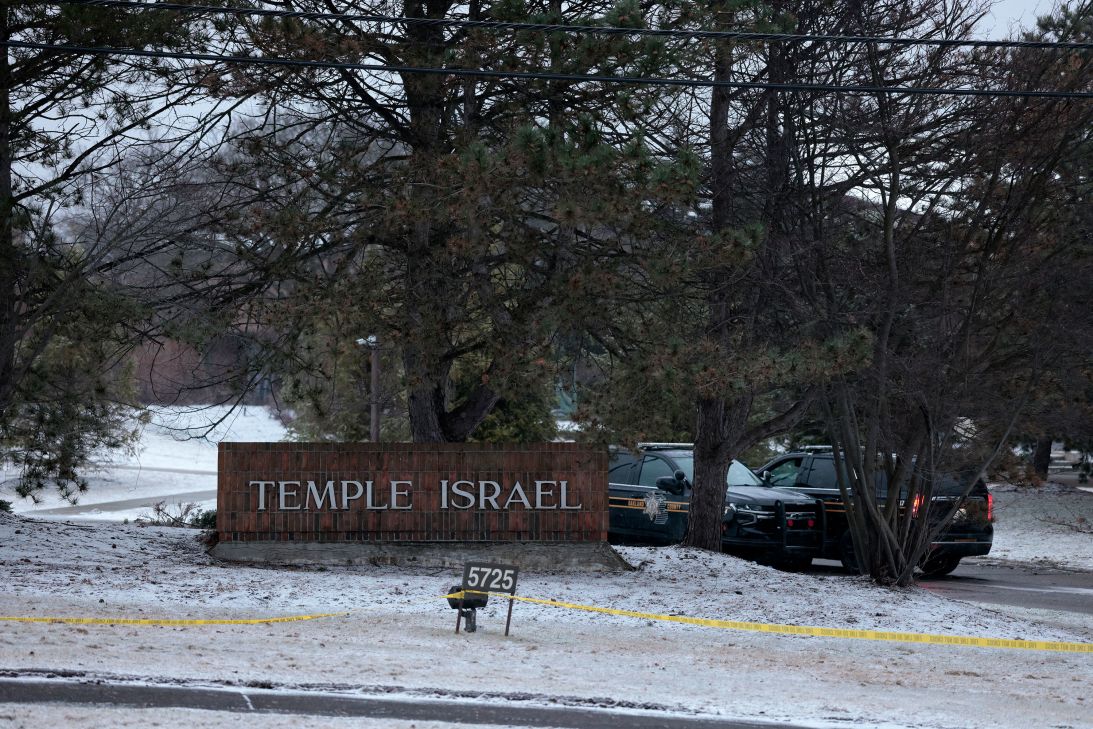
El-Sayed apologized after the primary for saying that “hurt people hurt people” after the antisemitic attack on Temple Israel in West Bloomfield. He has won the support of some prominent Jewish leaders like state Attorney General Dana Nessel.
“It’s not the choice we wanted. But it’s the choice in front of us,” Nessel told CNN this week.
Nessel knows her argument — that from the environment to civil rights to public health to ICE raids, there are many major issues she wants a senator who would be a check on Trump — has been so controversial that she didn’t attend Rosh Hashanah and Yom Kippur services last month to avoid confrontations.
She also skipped the state Democratic convention after the primary because she was concerned about her own safety. Nessel was booed the previous year following her decision to charge pro-Palestinian protesters who participated in an encampment at the University of Michigan, cases she later dismissed.
“There’s all these other things that make me feel unsafe, not just as a Jew, but as an American, as a human,” Nessel told CNN. “The one thing I can say about Abdul I know for sure is that he’s going to stand up to Donald Trump every single time,” she said.
Nessel reached out to El-Sayed as soon as the primary finished, and she said to his credit, he has largely stopped attacking AIPAC, as she urged him to do. She is disturbed by what having him in the Senate may mean for support for Israel and would have liked him to do more outreach, both substantive and symbolic, but that’s not enough to make her consider Rogers.
“There are misses by his team, but for me, I have to live with this decision,” she said.
A speech addressing Jewish concerns El-Sayed floated delivering in a previously unreported meeting with top Jewish political leaders a week after the primary has not yet been planned, according to a person familiar with the meeting.
El-Sayed’s campaign has put out support letters signed by hundreds of Jewish Michiganders, and he told CNN that he continues to tell Jews he meets with, “I am committed to Jewish safety. I am, 100%. I know what it’s like to be discriminated against and targeted for what I believe.”
“We’re not going to agree on Israel,” El-Sayed said. “We’re going to vehemently disagree, but we can disagree agreeably.”
On Saturday morning in Grand Rapids, Mike Rogers marched a mile in the Pulaski Days parade in his standard sleeveless fleece vest with an outline of the state map embroidered as the ‘O’ in his name. An accordion player was two steps behind, squeezing out “Hail, Hail, the Gang’s All Here.”
This was a rarer sight than it tends to be, as one man noted sarcastically when he mocked Rogers for having “the balls to show up.”
“Where are your manners, my friend?” Rogers replied.
El-Sayed regularly mocks Rogers for not campaigning in public much. But in an anti-Trump environment, this is a deliberate strategy to be a mostly nondescript alternative to moderates and disaffected Democrats. Rogers ducked CNN questions about if he’d vote to end the war in Iran or to confirm a potential future Trump nominee to the Supreme Court.
Rogers rattles off endorsements from police, firefighters, farmers and other groups he says are the product of the years he spent building relationships in the state. He argues El-Sayed’s alliances with prominent democratic socialists allow his campaign to paint the Democrat as extreme. And his campaign and allies have run ads suggesting El-Sayed, who would be the first Muslim senator if he wins, is soft on terrorism and national security.
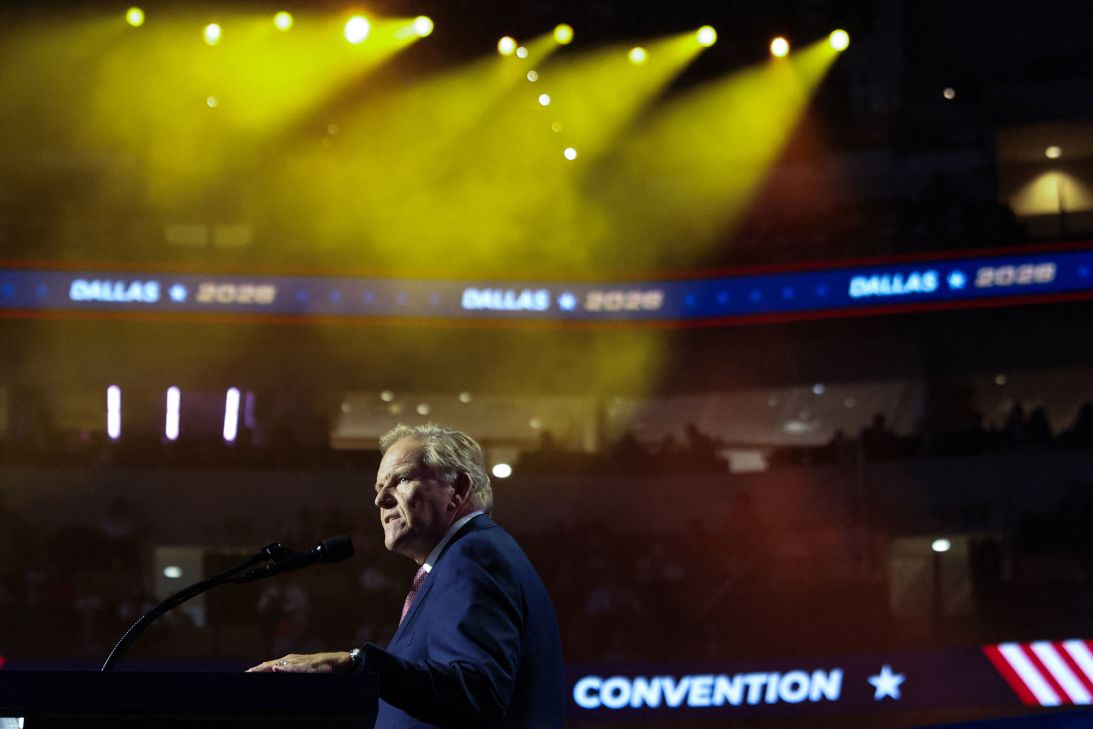
Of El-Sayed, Rogers said, “He thinks going on national TV, he thinks by having a televised event, he’s done some work. The real work happens out in the community.”
Rogers said he feels like he’s consolidated state Republicans, but with the state GOP in a years-long tailspin, he is relying on huge spending on his behalf from outside groups already swamping television ads and mailboxes. Before hitting the parade, he was at the one-story brick building that Americans for Prosperity Action is using as its local base.
Billie Rajzer, an adviser to the group, told CNN that compared to the 2024 effort for Rogers, this year they’re much more focused on swing voters, with $20 million helping with an effort to knock on 1 million doors by Election Day, trying to counter the state Democratic Party’s own extensive efforts.
“Once they hear about what we want to accomplish, that’s how we’re getting them to stick with us,” Rogers told CNN. “We just can’t let a guy that’s this extreme, who’s marrying democratic socialist ideas in his campaign. That’s why we’re getting so many Democrats.”
That will include, Rogers predicted, up to 50 percent of the state’s Jewish voters.
Trump’s tax cuts and his “no tax on tips” proposal are popular, Rogers said, as angry as people are about costs at the grocery store and the pump, or the tariffs and the war in Iran. Whether it’s his call for a temporary export ban on diesel or other ideas, Rogers called the relationship he’d have with Trump a selling point.
“Yes, gas prices are high,” Rogers said. “They know I’m doing something about it. They know that I’m going to work with the president to do something about it. And they know I am the only guy that can actually get a meeting to get it fixed.”
Rogers spoke at last month’s GOP midterm convention in Dallas, and he said he’d gladly say yes if the president offered to headline a rally in Michigan — a state Trump carried in two out of his last three very close elections.
“I think the president is really, really popular with a segment of our base here. And so he can come and get those folks whipped up and out to vote, we’d be OK with that,” Rogers said.
On this, Rogers and El-Sayed agree.
“I hope he’ll come here and remind people who he is and what he wants and what he’s done to their lives,” El-Sayed said.
‘I see folk who are sick and tired’
Even all the people Rogers waved to along the parade route in their folding chairs are fewer than El-Sayed tends to draw in a day — sometimes just at a single event.
Saturday afternoon, El-Sayed drew over 400 people who started cheering as soon as he popped his face into the room at a carpenters’ union hall for his first-ever event with Sen. Elissa Slotkin, who herself beat Rogers by just 19,000 votes two years ago.
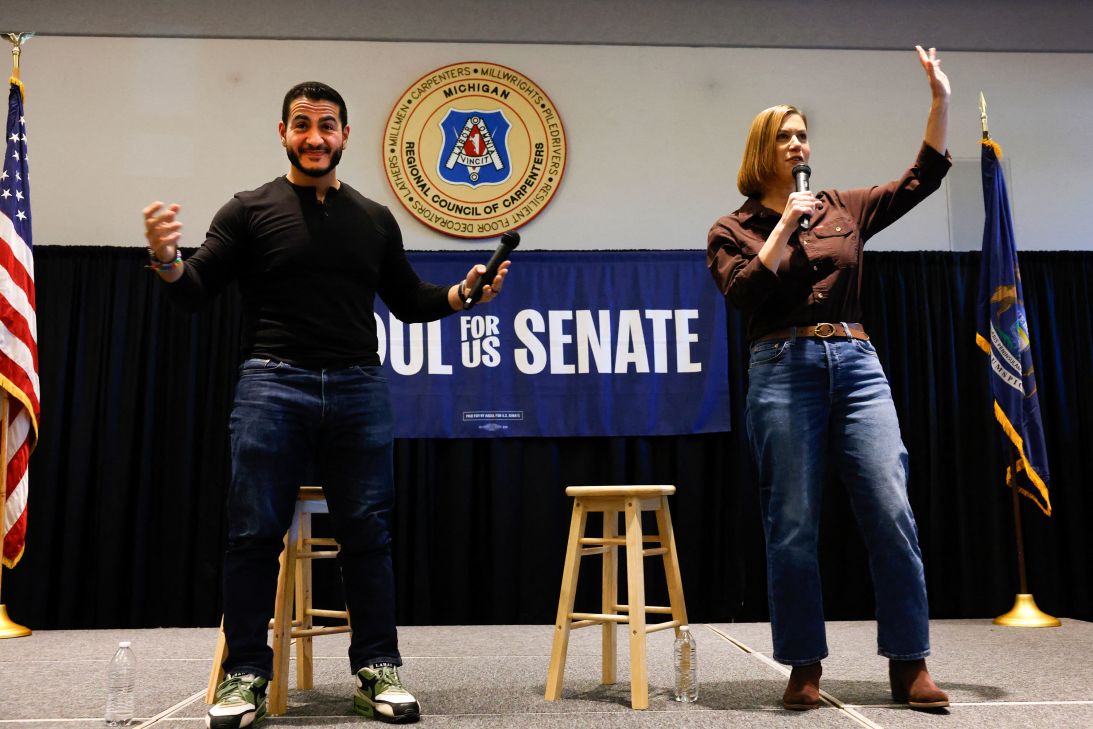
They were in Macomb County, home of the Reagan Democrats and the Trump Democrats, and where, in Slotkin’s telling, she beat Rogers because “we did only a couple of clicks better here” and in other parts of the state.
After mocking Health and Human Services Secretary Robert F. Kennedy Jr. for chafing from working out in jeans to digging deep on accusing Trump of corruption, El-Sayed left the crowd with a plea to get past the fighting and help him appeal to people who supported the president.
“They want to tell us that Macomb County is red,” El-Sayed said. “I don’t see any red folk here. Frankly, I don’t see any blue folk either.”
“I see folk who are sick and tired of watching the president make light of our plights. I see folks who are sick and tired of having to worry about how they’re going to afford next month’s rent. I see people who are tired of wondering when their union will be dignified. I see some folks who need access to a doctor.”
Afterward, Warren city council vice chair Melody Magee chatted with several other Black women all taking home El-Sayed signs. She supported Stevens in the primary but says her brother-in-law is the only person left she knows who is not on board with the Democratic nominee.
“That’s about the only person I know that’s on the fence,” Magee said.
As he finished lunch at the food truck in Detroit the day before, El-Sayed acknowledged that his confident prediction of a primary blowout hadn’t come through — but that he made it through anyway.
“I didn’t run to be the main character of the midterms,” he said. “I ran to render service for my state. The thing about Donald Trump, though, is he doesn’t understand the source of his power. I do. He was really good at getting attention, and he’s been really good in giving it to me. Keep talking about me, Donald. Please. I hope you will.”