
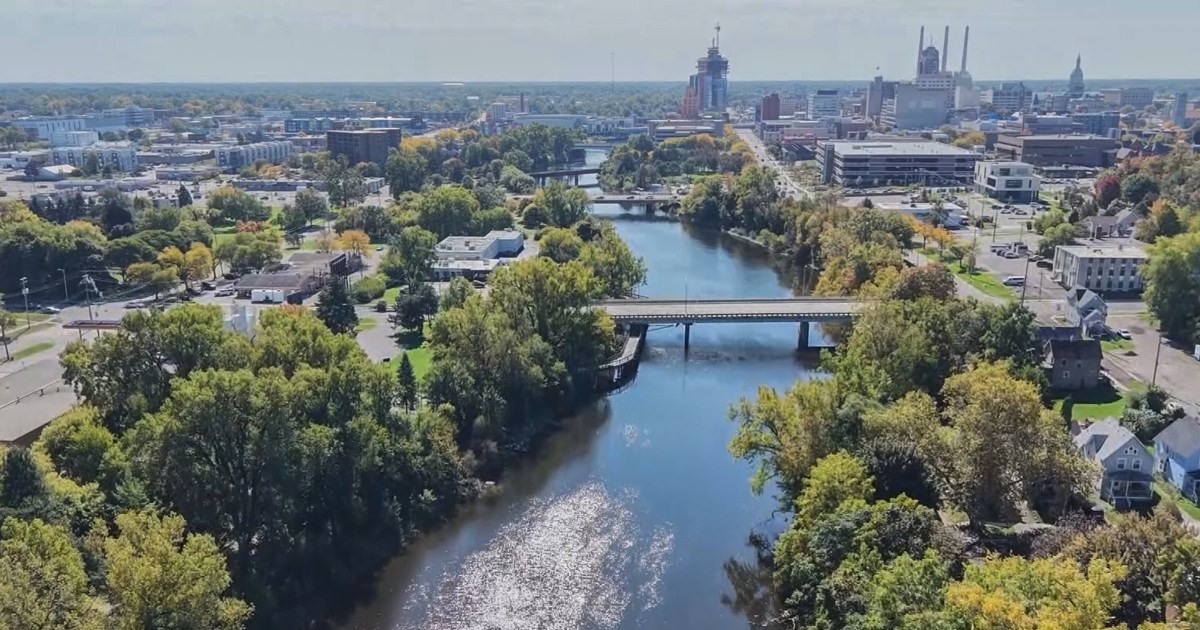
A series of deaths along a short stretch of a river trail in Michigan’s capital city may be the result of a serial killer, authorities said.
The five deaths span nearly a year, beginning last October, and all of them appear to involve victims who were homeless, Lansing Police Chief Robert Backus told reporters last week.
“One question that we are being asked is ‘Do we have a serial killer in Lansing?’” Backus said. “What we need the public to know is that we are investigating all of these cases. They are all active investigations, and we are looking at the idea or the possibility that these may be related cases.”
Three of the deaths were determined to be homicides, Backus said. The manner of death for the remaining two is unclear. One was ruled undetermined, Backus said, and a finding has not yet been issued in the other death.
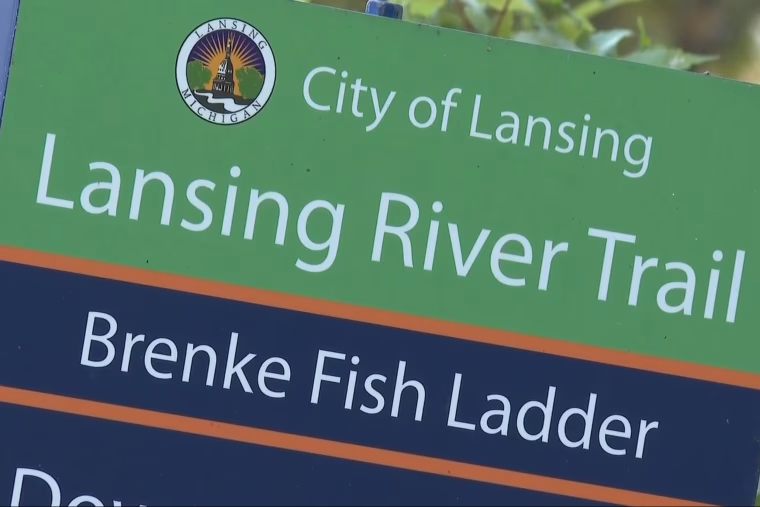 The five deaths span nearly a year beginning last October, and all of them appear to involve people who were homeless, Lansing Police Chief Rob Backus said.WDIV
A suspect was arrested in connection with one of the homicides — the Aug. 20 stabbing of Daniel Lusk, 22, Backus said.
That suspect, Edward Smith, 24, has not been charged in any of the other deaths. His attorney did not immediately respond to a request for comment Thursday.
The four other deaths involve what Backus described as blunt force traumatic injuries to the face. No weapon has been identified.
Those victims are Gino Chouinard, 54, who died Oct. 14, 2025; Denis Dunnebacke, 70, who was found unresponsive on July 9 and died three days later; Robert Smith, 57, who was found unresponsive on July 13 and died four days later; and Louis Woodruff, 57, who was hospitalized Aug. 30 and died Sept. 1.
The men were found along a roughly 1.5-mile section of trail near downtown Lansing, according to locations provided by the police department.
“When I’m reporting these patterns to you, I wish I had more information to share,” Backus said. “I wish I could be more certain and concrete in what I say, but there are challenges in these cases.”
Among those challenges, Backus said, are the locations and times of the events that led to the deaths. There are no cameras or witnesses, he said, and the assaults are believed to have taken place in the early morning.
The police department set up camera trailers along the trail, he said, and night shift officers have been assigned to patrol the area.
Asked at a news conference whether the police department should have warned the public after Dunnebacke’s death in July — he was the second man to die — Backus said it wasn’t immediately clear that his injuries were the result of an assault.
Hospital staff members initially believed his death could have been from a medical issue, Backus said, though it was investigated by police major crimes investigators and treated as a “suspicious situation.”
The manner of Dunnebacke’s death has not yet been determined, Backus said.