
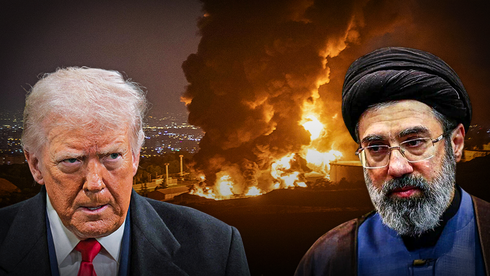
The Pentagon has developed plans for a short but intensive military campaign against Iran, potentially lasting just three days and targeting its missile and drone arsenals, energy infrastructure and command centers. Yet despite the growing American military buildup in the Middle East, President Donald Trump has repeatedly refused to authorize a major new offensive, even as Iranian attacks on commercial shipping intensify.
The New York Times reported Thursday, citing U.S. officials, that Trump’s national security team and the Pentagon have presented him with five proposals for significant military operations against Iran or the Iran-backed Houthi rebels in Yemen in recent months. He rejected all five, although he has once again instructed military planners to prepare options for renewed strikes.
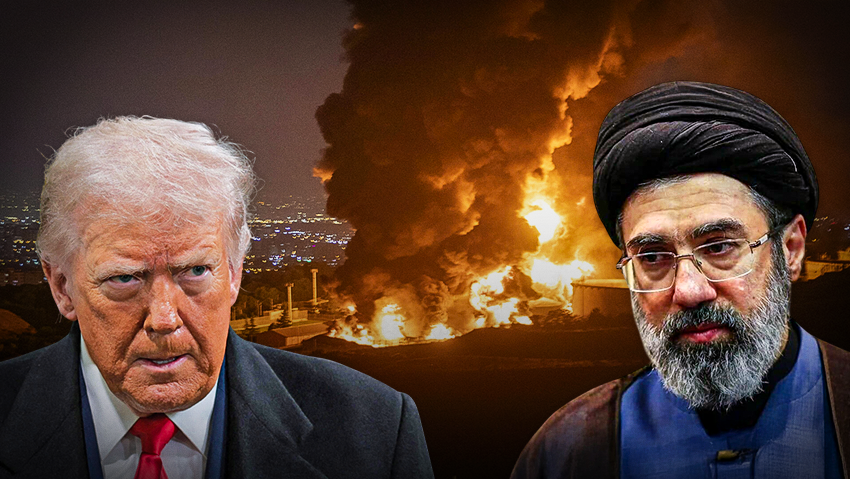
Pentagon plans three-day Iran strike campaign as Trump refuses to resume war
(Photo: Anna Moneymaker / AFP, Stringer / Getty Images)
On Thursday, Trump announced on social media that the United States would not attack Iran before the November midterm elections, adding that Washington and Tehran were “having productive discussions.”
The announcement came as American forces continued assembling one of their largest naval deployments to the Middle East in more than two decades, with three aircraft carriers expected to operate in the region by late October.
Despite the preparations, senior administration officials remain divided over whether another military campaign would achieve meaningful results, particularly as Iran has improved its military capabilities and American commanders warn of mounting pressure on U.S. missile defense stockpiles.
The latest military planning was discussed last Friday at Camp David during a meeting of senior national security officials led by Vice President JD Vance.
The central proposal involves a concentrated campaign lasting approximately three days, intended to inflict significant damage on Iran’s military capabilities without necessarily committing the United States to another prolonged conflict.
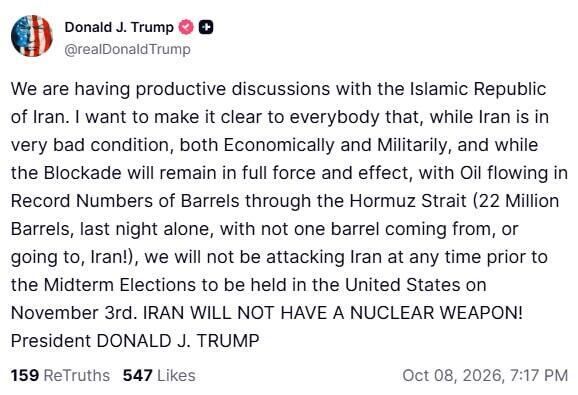
Trump’s post on Thursday: ‘Not before the midterm elections’
The potential targets include ballistic missile launchers and stockpiles, drone infrastructure and military facilities associated with Iran’s Islamic Revolutionary Guard Corps (IRGC). Energy installations and Revolutionary Guard headquarters and command posts are also under consideration.
American officials believe that Iran has rebuilt substantial portions of its missile and drone arsenal since the initial stages of the war, restoring capabilities that had previously been damaged.
Although Trump has ordered the preparation of updated military options, officials say his reluctance to resume large-scale combat has become increasingly apparent.
During the summer, American forces regularly carried out retaliatory attacks following Iranian strikes on international shipping. In recent weeks, however, Washington’s response has become considerably more restrained.
The United States has continued operations against Iranian drones and cruise missiles but has refrained from launching major new strikes inside Iranian territory or attacking the country’s shadow fleet of oil tankers.
Some members of Trump’s inner circle have also become increasingly skeptical that another round of military action would persuade Tehran to change its position.
They argue that Washington’s campaign of economic pressure is beginning to produce results and that additional time could force the Iranian leadership to make concessions without renewed large-scale fighting.
Other officials favor a more forceful approach, arguing that Iran’s weakening economy could make it particularly vulnerable to a concentrated military campaign, especially one that undermines its ability to control maritime traffic through the Strait of Hormuz.
As the White House weighs its options, the American military is assembling a force capable of launching major operations against Iran on short notice.
The aircraft carrier USS Theodore Roosevelt, which departed San Diego last week, is expected to join the USS George H.W. Bush and USS George Washington in the Middle East around the end of October.
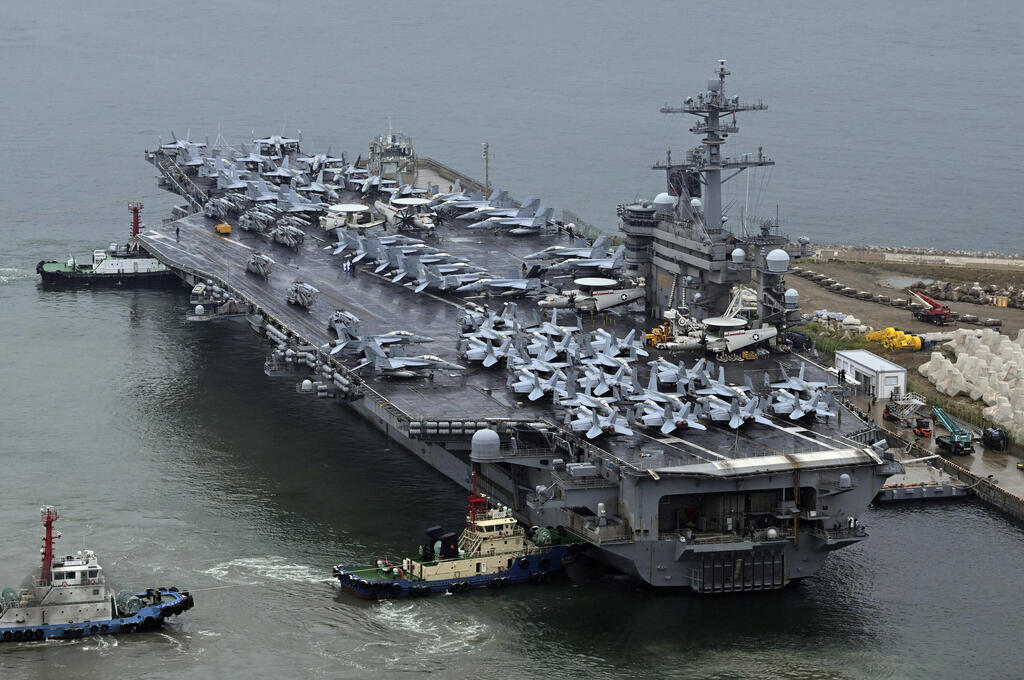
The USS Theodore Roosevelt heads to the Middle East. A military buildup not seen since the 2003 Iraq War
(Photo: Kyung-Seok/Pool Photo via AP)
The deployment would mark the first time since 2003, the year of the U.S. invasion of Iraq, that three American aircraft carriers have operated in the region simultaneously.
Each carrier strike group includes additional warships and supporting military assets, significantly expanding the range of offensive and defensive capabilities available to American commanders.
By the end of October, more than 20,000 sailors and Marines are expected to be deployed aboard vessels in the region, alongside hundreds of military aircraft.
The unusually large concentration of forces is not expected to last long. The George Washington is scheduled to return to its base in Japan after the Theodore Roosevelt arrives to replace it.
Military commanders are nevertheless prepared to launch a major operation within days if Trump reverses his position and authorizes renewed strikes.
The scale of the buildup has not resolved concerns about the potential consequences of another confrontation.
Senior defense officials are particularly worried that a new campaign could further deplete American stocks of defensive munitions, which have already come under considerable pressure during the conflict.
The United States must maintain enough interceptors to protect its forces in the Middle East while preserving defensive capabilities for other potential crises around the world.
One of the major complications facing American military planners is the improvement in Iran’s ability to carry out attacks against U.S. forces and regional infrastructure.
Iranian forces have adjusted their tactics during the war, making missile attacks increasingly difficult to intercept and forcing American defense systems to expend more ammunition.
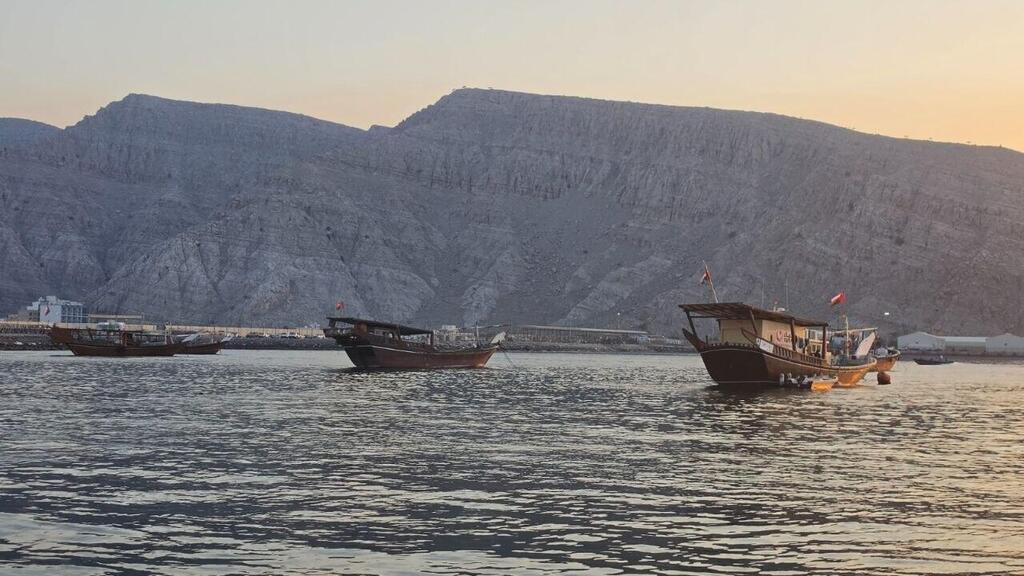
The Strait of Hormuz. Iran has attacked at least 13 ships since September
During the early stages of the conflict, U.S. forces generally launched two interceptors at incoming Iranian missiles, concentrating their defensive efforts on the most threatening attacks.
More recently, neutralizing Iranian missile salvos has required a greater number of interceptors, creating additional strain on supplies that are already stretched.
American intelligence assessments have also identified another challenge: Iranian forces have gained access to satellite imagery supplied by Chinese companies, improving their ability to identify and target American military installations.
People familiar with the intelligence assessments say the imagery has helped Iran conduct more effective attacks against U.S. bases.
American commanders are increasingly concerned about their ability to defend military installations housing U.S. personnel, as well as energy facilities and other civilian infrastructure across the region.
A renewed offensive could trigger additional Iranian retaliation, requiring even more defensive missiles at a time when the American military is attempting to preserve its remaining inventory.
The concerns have become an important factor in the debate over whether the benefits of another military operation would outweigh the risks.
Iran has continued to target commercial vessels in the Persian Gulf and surrounding waters, adding to concerns about the security of one of the world’s most important energy transportation routes.
Since September, when the last major exchange of retaliatory strikes took place, Iran has attacked at least 13 vessels, according to a maritime monitoring group operated by the British Navy.
Intelligence assessments suggest the actual number could be closer to 20.
Despite the attacks, none has triggered a major American military response.
The increasingly restrained U.S. reaction marks a change from the summer, when Washington routinely retaliated against Iranian attacks on international shipping.
Although oil exports from the Middle East have increased, the continuing attacks have unsettled shipping companies and raised concerns about the longer-term reliability of regional energy shipments.
The Strait of Hormuz remains a central point of tension.
Trump claimed Thursday that none of the oil passing through the strait originated in Iran, but intelligence assessments indicate that the situation is more complicated.
Iran continues to permit certain vessels to transit the waterway, including ships that have paid passage fees and others potentially carrying Iranian oil.
Chinese companies have paid Iran for passage through the strait, while Tehran also operates a shadow fleet of tankers used to transport oil despite international sanctions.
Iran has additionally been accused of secretly blending its crude oil with Iraqi oil to disguise its origin and circumvent sanctions.
On Thursday, the U.S. Treasury Department announced sanctions against 17 vessels it identified as part of Iran’s shadow fleet involved in oil smuggling.
The combination of maritime attacks, sanctions enforcement and uncertainty over future military operations has placed additional pressure on commercial shipping through the region.
Alongside the military preparations, diplomatic contacts between Washington and Tehran have continued through intermediaries.
American officials acknowledge that some progress has been made, but negotiations remain stalled over the sequencing of discussions about Iran’s nuclear program.
Washington wants an agreement addressing Tehran’s nuclear ambitions to come first, while Iranian negotiators insist that the nuclear issue should be left until the final stage of negotiations.
The disagreement has prevented the two sides from reaching a broader understanding, even as Trump maintains that diplomatic discussions remain productive.
The approaching elections in Israel and the United States have also influenced the administration’s calculations.
Before Trump’s public commitment not to attack Iran ahead of the U.S. midterms, American officials had already anticipated that he might postpone a decision until after Israel’s parliamentary elections on October 27 and the American vote the following week.
The political timetable would allow the administration to assess its military and diplomatic options without launching another major conflict immediately before voters head to the polls.
Yet even after the elections, there is no certainty that Trump will authorize renewed attacks.
The president has repeatedly rejected military proposals despite pressure from some officials who favor a more aggressive response to Iran’s actions.
Military commanders, meanwhile, continue preparing for the possibility that the administration will abruptly change course.
Supporters of additional strikes believe a short, intense campaign could exploit Iran’s deteriorating economic situation and further weaken its military capabilities, particularly if it limits Tehran’s ability to influence shipping through the Strait of Hormuz.
Others fear that renewed combat would produce another cycle of Iranian retaliation, increase the burden on American missile defenses and fail to resolve the underlying dispute over Iran’s nuclear program.
For now, the United States is positioning enough military power in the Middle East to launch a major offensive while its president continues to favor delaying the decision.
With three aircraft carriers moving toward the region and operational plans already prepared, the central question is no longer whether the American military can launch another attack against Iran, but whether Trump will ultimately authorize one.