
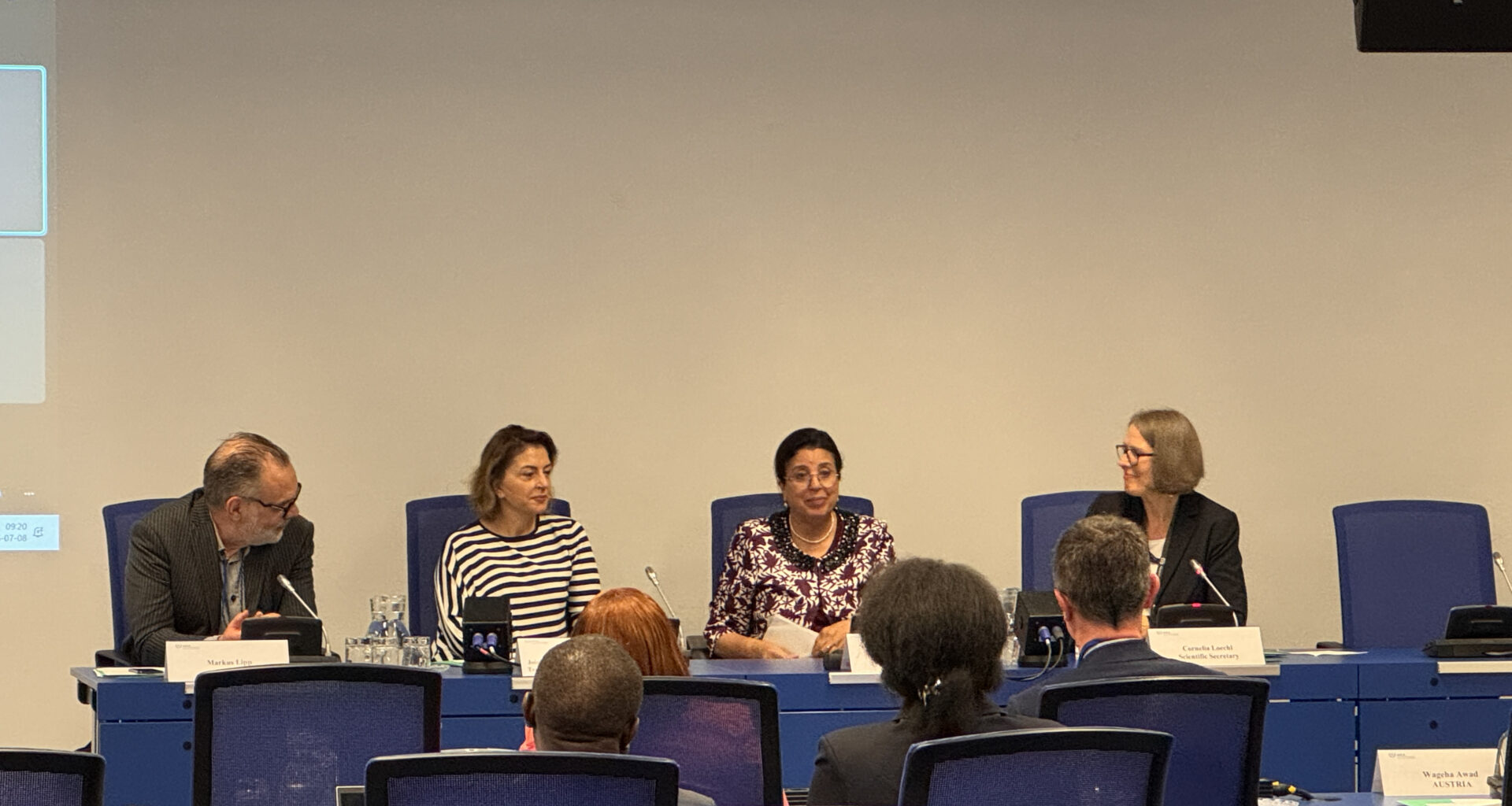
Over three days, experts highlighted scientific advances, including nuclear and isotopic techniques that can detect contaminants, assess biological and physiological impact and inform policymaking.
Presentations ranged from country-specific case studies in Austria, Bangladesh, Indonesia, Kenya, Tanzania, the United States of America and Zambia, to discussions on risk assessment, co-exposure to hazards and the role of nuclear techniques in nutrition research. Speakers also stressed the importance of considering the safety hazards emerging from all components together and not limited to each food product independently.
Discussions from the meeting showed that food-borne hazards affect all countries, but the impact is felt more acutely in vulnerable settings. Several speakers highlighted how contaminants like mycotoxins in staple diets or heavy metals in breast milk can impair immune systems, stunt growth or contribute to diseases like oesophageal cancer. Nuclear techniques help researchers understand not only what is present in food, but also how these substances interact with the body over time.
“By integrating nuclear techniques with conventional research, we are unlocking critical insights into how these substances, food contaminants and residues interact with the human body,” said Rola Bou Khozam, Head of the Food and Control Section of the IAEA. “This scientific evidence is vital not only for academic and research purposes but for empowering decision makers with data they need to design informed, effective policies and interventions that protect public health, strengthen food safety systems and enhance nutrition outcomes globally.”