

Listen to this article
Estimated 2 minutes
The audio version of this article is generated by AI-based technology. Mispronunciations can occur. We are working with our partners to continually review and improve the results.
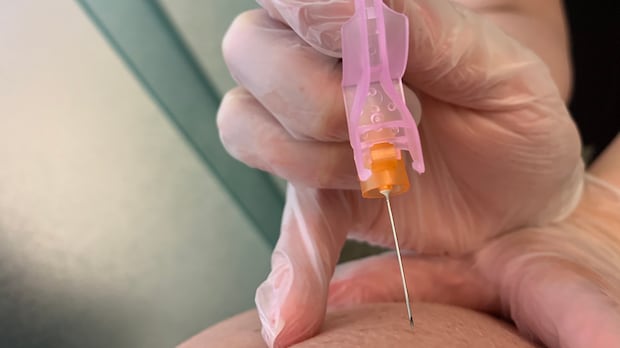
Nova Scotians can now schedule appointments to receive the influenza and COVID-19 vaccines ahead of the cold and flu season.
The province announced Thursday that bookings can be made several ways, including online, through the province’s mobile app YourHealthNS, or by calling 811 or talking to a primary care provider.
“This is all about prevention, right?” said Dr. Jesse Kancir, Nova Scotia’s deputy chief medical officer of health. “We want people to be protected against illness that they might get, or some of the severe outcomes.”
Kancir said there have been signs in parts of Canada that there might be an early start to flu season, but COVID-19, respiratory syncytial virus (RSV) and flu numbers are low in Nova Scotia right now. That means people have an opportunity to get vaccinated before those illnesses become more common in the province, he said.
“That’s really important. It really reduces the impact on our health system.”
Family bookings are available again this year, allowing up to six people to be scheduled for a single appointment.
The vaccines are recommended for everyone six months and older, and help support healthier communities throughout the respiratory season, the province said in a news release.
Vulnerable people, including children, older adults and those living with chronic health conditions, should make getting immunized a priority, according to health officials. Those at high risk of contracting illnesses can access rapid tests or lab tests by booking online or calling 811.
“It really is critical for people who are either immunocompromised or older, and in some cases quite young, to make sure that they’re making that choice to get the immunizations because it certainly could be a decision that is life-preserving,” he said.
There’s also evidence these immunizations may help reduce the risk of serious heart- and stroke-related complications that can occur after infections, Kancir said.
MORE TOP STORIES