
This is a developing story and is being updated.
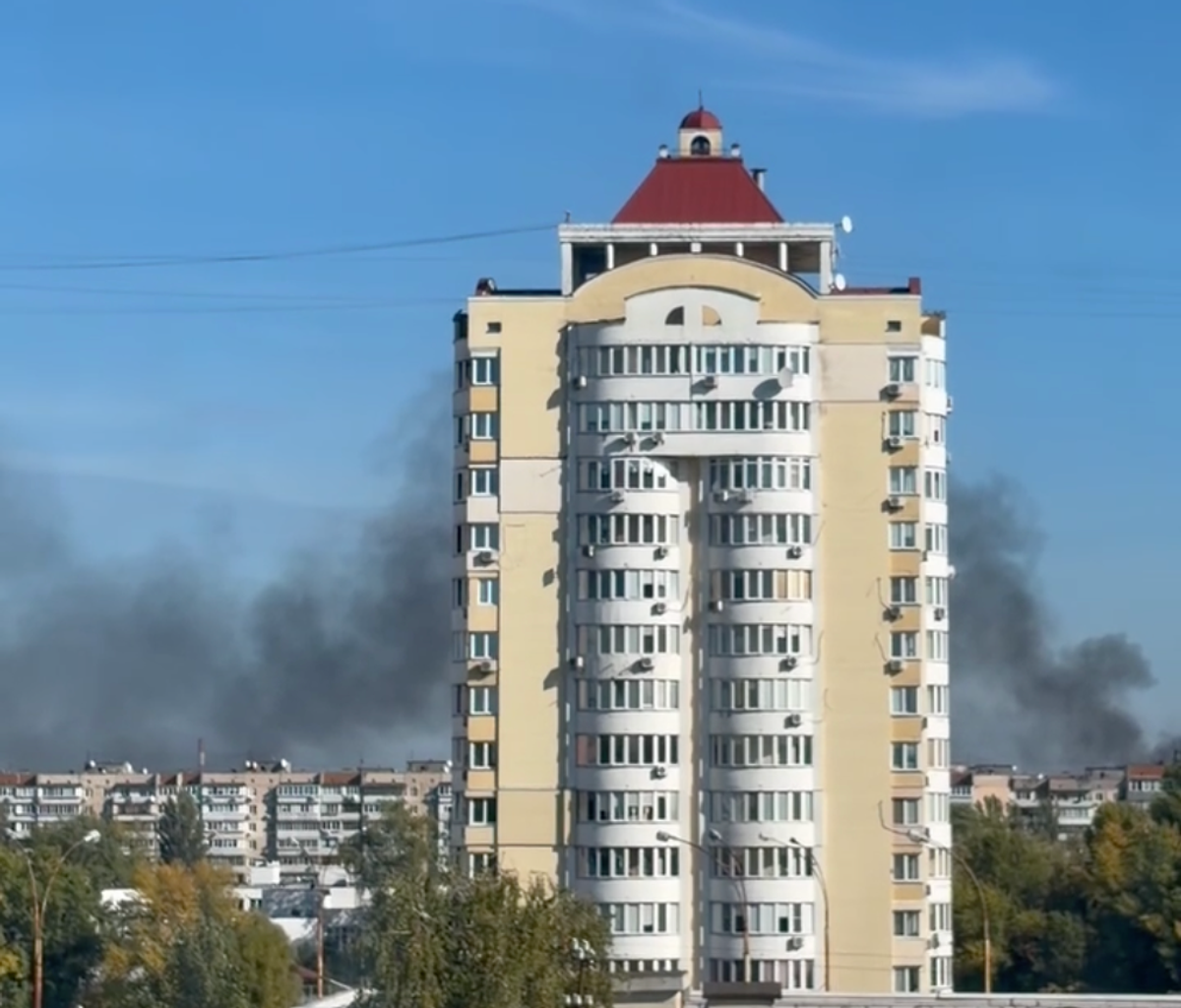
Loud explosions rang out in Kyiv around 2 p.m. on Oct. 10, according to Kyiv Independent journalists in the city, as Russia launched a series of missiles at the city following a morning drone attack on energy infrastructure.
“The consequences of allowing Russia to sell oil products were most clearly felt in Kyiv today, when, following numerous attacks with jet-powered Shahed drones against energy facilities, a ballistic missile attack began as well,” President Volodymyr Zelensky said in a message published on Telegram following the attack.
President Donald Trump said on Oct. 9 that he had agreed with Russian President Vladimir Putin to allow Russian diesel onto global markets, a move that drew sharp criticism from Ukraine and its allies for providing sanctions relief to Moscow.
Instead of facing further sanctions for its ongoing invasion of Ukraine, “yesterday, unfortunately, there were entirely different signals sent to Russia — signals suggesting that further attacks are somehow permissible,” Zelensky said in his statement.
“Every additional billion dollars Russia manages to earn from exports will be spent precisely on this: finding and importing critical components, equipment for weapons production, upgrading Shahed drones, manufacturing missiles, and recruiting additional mercenaries for the front,” he said.
During the missile attack, an area in the city’s northern Obolon district was hit, and missile debris fell on the grounds of a residential building, Kyiv Mayor Vitaliy Klitschko reported in a statement posted to his official Telegram channel.
The strike in the Obolon area caused a fire of over 200 square meters, Pavlo Petrov, spokesperson for the State Emergency Service told Ukrainian news outlet Novyny, adding that five people had been injured in the area and were currently receiving medical assistance.
“The fire has already been extinguished, and rescue workers are dismantling and dousing the structures,” he said.
According to the president, only “some of the missiles were intercepted,” implying that others may have hit targets.
Just an hour earlier, parts of Kyiv were left without electricity after Russian strikes damaged energy infrastructure on Oct. 10, Klitschko said earlier. Kyiv Independent journalists reported power outages in the city’s Pechersk and Borshchahivka districts around 12:50 p.m.
“Due to damage to a power facility in the Kyiv region, the capital’s power supply situation has deteriorated. The city is also experiencing water supply disruptions,” the mayor said.
Sudden voltage drops halted Kyiv Metro train services and escalator operations, the Kyiv City State Administration said. As of around 2:30 p.m., the metro had since resumed service with longer intervals between trains, the administration said.
The Bucha district in Kyiv Oblast also lost power, according to DTEK, Ukraine’s largest private energy company.
“Utility workers are already on the ground, working to restore power to all homes as quickly as possible,” said DTEK in a social media statement.
Russian attacks on Oct. 8 plunged the capital into near-total darkness, causing chaos on public transportation and leaving millions without water supply.
Since Oct. 1, Russia has been ramping up its attacks on Ukraine’s energy grid, causing emergency power outages and forcing the city to introduce power outage schedules.
“Russia’s choice is war,” the president wrote in his statement published on Telegram.
“Strong signals are needed from the United States, Europe, and other partners: signals in support of Ukraine and aimed at limiting Russia’s ability to wage war and terrorize people.”