
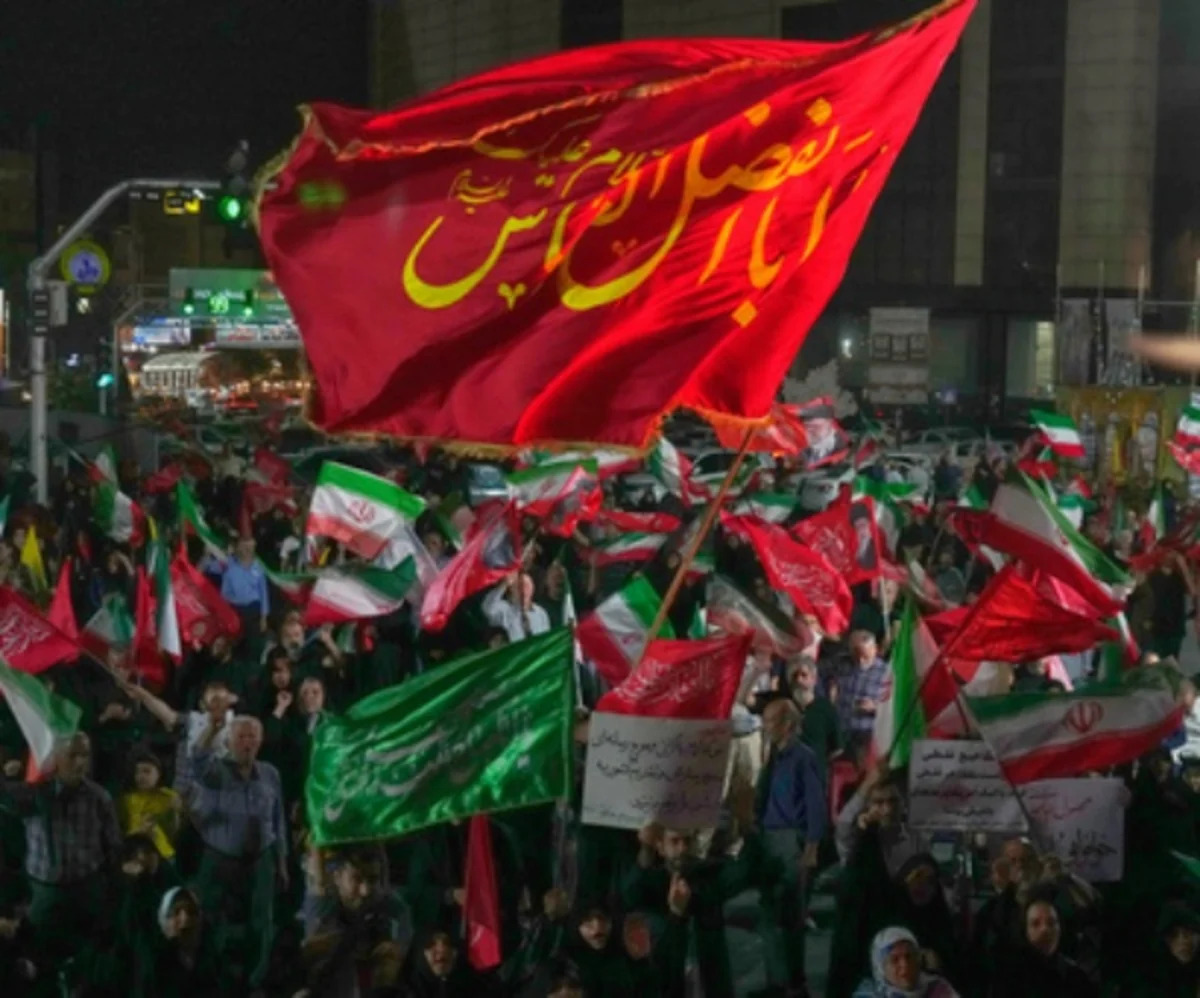

AP photo
Iran has retained the ability to produce missiles and drones after eight months of U.S. and Israeli airstrikes, Western officials told Bloomberg News, an assessment at odds with the Trump administration’s claims that Tehran’s military industry has been wiped out.
The officials were not authorized to discuss the assessments publicly and asked not to be named.
They said Iran’s weapons factories have survived the bombing campaign, allowing it to restock.
One official said Tehran’s stocks of ballistic missiles remain healthy and that its anti-ship arsenal could be replenished fast.
The official also said Russia has been supplying Iran with missiles.
Russia’s Defense Ministry did not respond to Bloomberg’s request for comment.
The White House disputed the findings.
Spokesperson Anna Kelly said in a statement that U.S. operations had destroyed Iran’s ballistic missiles, production facilities, and navy, along with its nuclear sites.
President Donald Trump has said Iran’s military is “totally destroyed,” and Defense Secretary Pete Hegseth said in a Sept. 30 speech that the U.S. had eliminated Iran’s military industrial capacity.
The assessment comes as Trump pledged on social media Thursday not to strike Iran before next month’s midterm elections, a pause that could give Tehran time to rebuild.
Trump had previously suggested a heavier campaign could come after the vote; waiting would also spare him a spike in oil prices just before Election Day, Bloomberg reported.
Iran has meanwhile stepped up attacks on ships near the Strait of Hormuz, striking at least 10 vessels in the past week, according to Britain’s navy.
Oil is trading above $100 a barrel, and the daily cost of chartering a tanker has climbed to about $1.2 million from under $50,000 before the war.
Israel estimated Iran had roughly 2,500 ballistic missiles when the war began Feb. 28.
As of June, Western intelligence believed Iran still held roughly 75% of its prewar arsenal.
Since the fighting started, Iran has fired more than 4,000 Shahed drones and at least 2,000 ballistic missiles, according to a Bloomberg Economics analysis.
Jim Lamson, a former CIA analyst now at King’s College London, concluded in a report that the air campaign likely did long-term damage to much of Iran’s prewar missile production.
But Sidharth Kaushal of the Royal United Services Institute said Iran’s anti-ship missile stockpiles are probably still large because the weapons are relatively easy to build and can be sheltered in the country’s southern mountains.
William Alberque of the Pacific Forum said further anti-ship attacks are likely.
The conflict has also spread to Saudi Arabia, where Houthi ballistic missiles struck two airports Thursday night, killing at least three people.
© 2026 Newsmax. All rights reserved.