
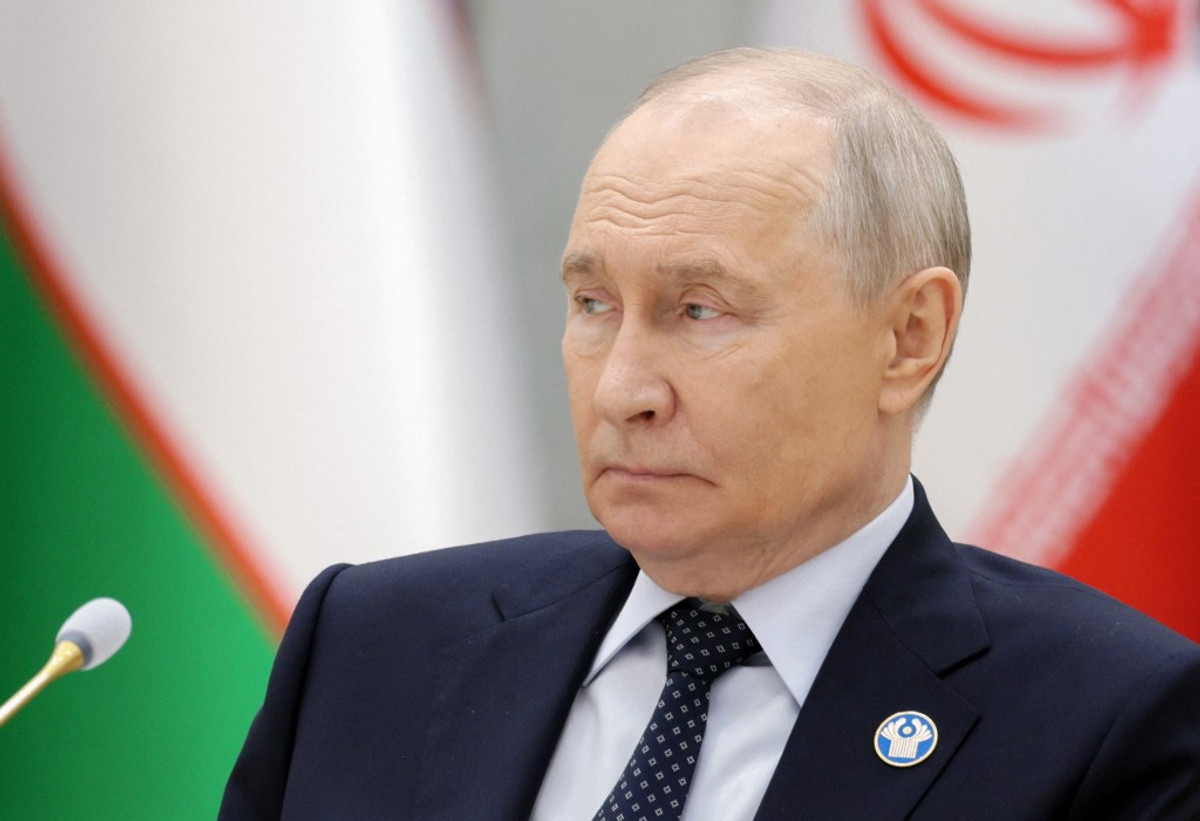
Russian President Vladimir Putin rejected the resumption of peace negotiations and reaffirmed Moscow’s intention to continue the war against Ukraine until all Kremlin objectives are fulfilled during a telephone conversation with US President Donald Trump, Kremlin foreign policy aide Yuri Ushakov told Russian state media.
According to Ushakov, Putin made it clear during the exchange that Russia will sustain combat operations without diplomatic concessions.
JOIN US ON TELEGRAM
Follow our coverage of the war on the @Kyivpost_official.
“Putin made it clear that Moscow will continue hostilities until it achieves all stated goals,” Ushakov said.
The Kremlin aide claimed that Trump initiated the call to extend warm birthday greetings to the Russian leader, wishing him success and passing along regards from First Lady Melania Trump.
In response, however, Putin reiterated Russia’s unyielding terms regarding Ukraine, dismissing prospects for an early negotiated settlement.
Ushakov added that Putin accused Ukraine of attempting to disrupt elections in Russia and asserted that Ukrainian resistance is futile, claiming Russian forces hold the operational initiative across the front lines.
Ushakov further claimed that following the discussion, Trump instructed American officials to relay the diplomatic “signals” received from the Kremlin directly to the Ukrainian government.
Hardline stance despite diplomatic overtures
Putin’s refusal to consider peace talks comes despite intensive diplomatic maneuvering by Washington to initiate a negotiating framework ahead of winter.
Other Topics of Interest
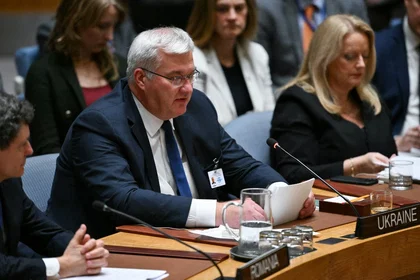
Easing Diesel Sanctions Shows Weakness to Putin, Sybiha Says
Ukraine’s foreign minister urged an energy armistice instead of fuel concessions as Trump’s diesel waiver drew sharp criticism in Kyiv.
On Friday, Oct. 9, high-level multilateral consultations convened by the US in Miami – bringing together US special envoy Steve Witkoff, Ukrainian negotiators, and representatives from Britain, France, Germany, the European Commission, and NATO – concluded after a six-hour session without a announced breakthrough.
While Witkoff characterized the dialogue as constructive, European and Ukrainian officials expressed skepticism regarding Moscow’s willingness to engage in substantive de-escalation.
Putin’s uncompromising posture in the phone call also aligns with public warnings issued by Ukrainian leaders.
Ukraine’s Foreign Minister Andrii Sybiha warned on Friday that concessions to Moscow project Western weakness, asserting that Putin interprets economic and diplomatic overtures as appeasement rather than incentives for peace.
The Trump diesel pact
The phone call and Putin’s subsequent rebuff unfolded alongside controversy surrounding Trump’s announcement of a bilateral commercial agreement permitting Russian petroleum shipments into American and global markets.
Trump announced that Russia agreed to supply over 300,000 metric tons of diesel fuel immediately, with 500,000 tons scheduled for November and 1 million tons thereafter, potentially scaling up to 3 million tons depending on refinery operations.
Trump argued that the deliveries, combined with what he termed “total control of the Strait of Hormuz,” would curb fuel costs for American consumers and global markets amid energy market volatility fueled by the US-Israeli conflict with Iran.
Shortly after the announcement, the US Treasury Department issued a temporary general license authorizing the sale and import of Russian diesel fuel through April 7, 2027.
The sanctions waiver was enacted just three weeks after Trump signed into law the Lindsey O. Graham Sanctioning Russia and Iran Act of 2026 on Sept. 18, which was designed to expand statutory penalties across Russia’s energy, banking, and defense sectors.
Hours before the license was issued, President Volodymyr Zelensky had directly appealed to visiting US lawmakers to strictly enforce statutory sanctions as a vital tool to compel Moscow to negotiate.
The sanctions relief granted Moscow an economic accommodation it had sought since July, when Russia imposed an export ban on domestic diesel following successful Ukrainian drone strikes that damaged major Russian refining facilities.
Trump had previously urged Kyiv to halt strikes on Russian oil infrastructure, attributing elevated diesel benchmarks to Ukrainian interdiction operations rather than the Middle Eastern conflict.