
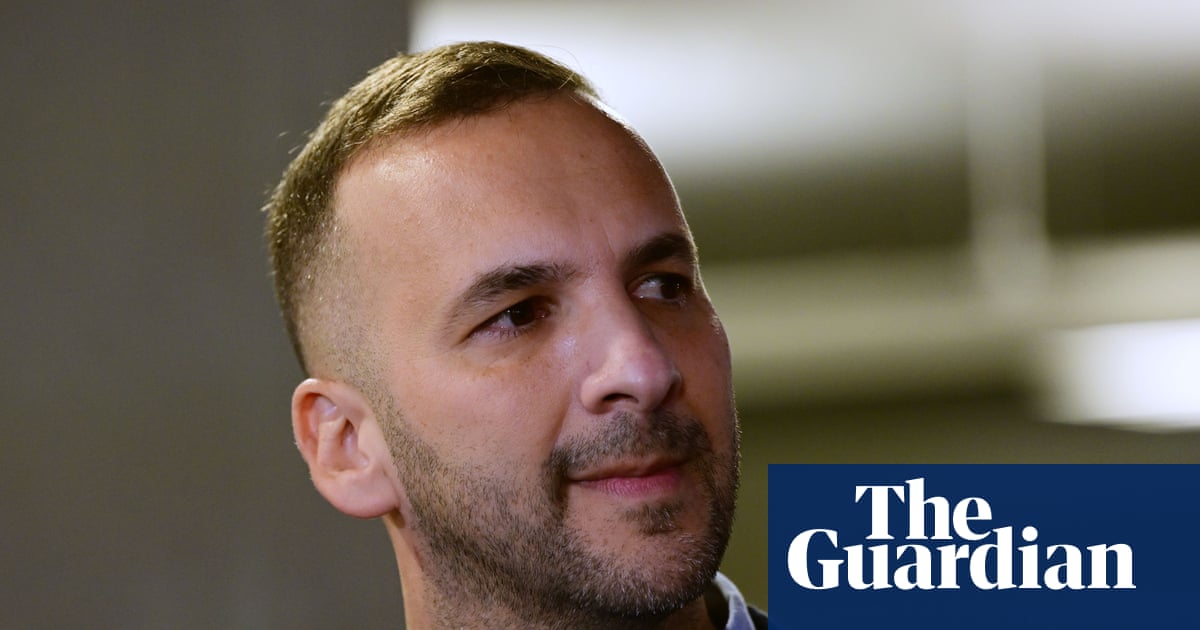
Zack Polanski has signalled a potential overhaul of the Green party’s cherished grassroots democracy, calling for leaders to have greater control over strategic direction after a divisive vote equating Zionism with racism.
The Green party leader has also questioned whether political parties should seek to define what members believe, in his strongest criticism yet of a motion that has provoked bitter divisions, international condemnation and calls for his resignation.
Writing for the Guardian after his defeat in the Holborn and St Pancras byelection, Polanski suggests the party’s focus on defining Zionism has been misguided, even though he agrees with the substance of the motion.
Appearing to accept criticisms of his leadership over the issue, he admits his priority was “fighting a hugely consequential byelection for our party” and accepts that his own colleagues and members may feel “let down” by his decision to not make an intervention last week.
He adds: “I put all my energy into the race in Holborn and St Pancras, despite Labour choosing the polling date so close to our conference, because I know that ultimately electoral success is how we drive change. I know, though, that some feel let down by that decision – and I hear that.”
Polanski says the party’s rapid growth means its democratic structures need to change, including giving leaders more responsibility for setting its political direction.
“Our party democracy must now evolve to meet that – creating wider engagement for members, giving leaders more responsibility to set the party’s strategic direction, and making our processes as robust and accessible as possible,” he writes.
His intervention marks the clearest indication yet that he believes the party’s internal structures need reform, after senior Greens raised concerns that its system of policymaking gives disproportionate influence to a small minority of members.
Under the Greens’ existing rules, policy is decided by members at party conference rather than by its leadership, a system that has increasingly come under scrutiny as membership surged.
The controversy intensified last weekend when 1,022 members representing about 0.4% of the party’s total membership voted in favour of a motion declaring Zionism a form of racism and backing a single Palestinian state.
The motion, which passed by 1,022 votes to 813, was opposed by four of the party’s five MPs and prompted criticism from the European Green party, whose position supports a two-state solution.
Ellie Chowns, the Greens’ Westminster leader, said the party must not become vulnerable to capture by extremists and racists, arguing the vote demonstrated the urgent need to modernise its policymaking structures.
Polanski, who is Jewish and grew up in a Zionist household, writes: “It has been difficult knowing how to approach this imperfect motion, because its substance chimes with my understanding of Zionism as the ideology that underpins the displacement and genocide of Palestinians.
“This is something I share with many other Jewish people, including Stephen Kapos, the Holocaust survivor who was one of those supporting the motion.
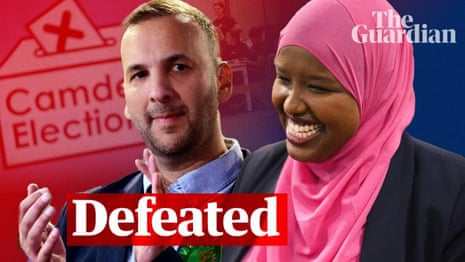 Did the Zionism row lose it for Zack Polanski? | Politics Weekly
“At the same time, Zionism is not easily defined, and I know for many Jewish people it is bound up with identity, safety and belonging. In my view it’s not the job of a political party to tell people what to believe – and a narrow focus on definitions is neither desirable nor strategic.
“There are also elements of the motion that I don’t agree with, such as dictating the future shape of a state in Israel and Palestine. While many people understandably see the idea of a two-state solution as standing in the way of concrete action to end the unbearable status quo, I believe it is not up to the British government – let alone the Green party – to decide the future for Israelis and Palestinians.”
The comments go beyond Polanski’s previous objections to elements of the motion, which largely centred on its call for a single Palestinian state rather than leaving Palestinians to determine their own political future.
The controversy exposed divisions within the Greens and raised questions about the party’s ability to manage its rapid expansion under Polanski’s leadership.
The Guardian previously reported that senior Greens feared the existing structure allowed a small number of highly motivated activists to determine policy for the wider membership. Some argued members should set broad political priorities while smaller bodies developed detailed policies.