
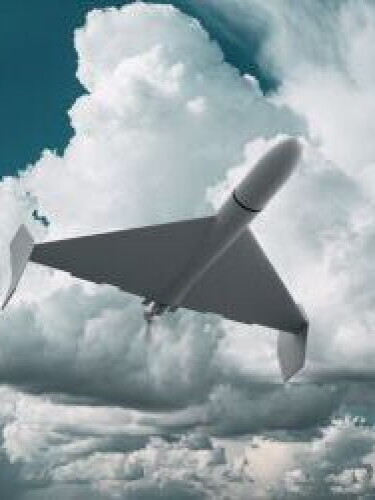
On September 29, 2026, the State Department sanctioned Russian aircraft manufacturer Yakovlev for supplying Iran with Yak-130 trainers after Russia transported the light attack and reconnaissance planes aboard “a U.S.-sanctioned Russian aircraft.” Designations are important. Aircraft sanctions can work. The problem is the U.S. designating authorities—especially the U.S. Department of the Treasury—are inconsistent in their scope.
The problem is the U.S. designating authorities—especially the U.S. Department of the Treasury—are inconsistent in their scope.
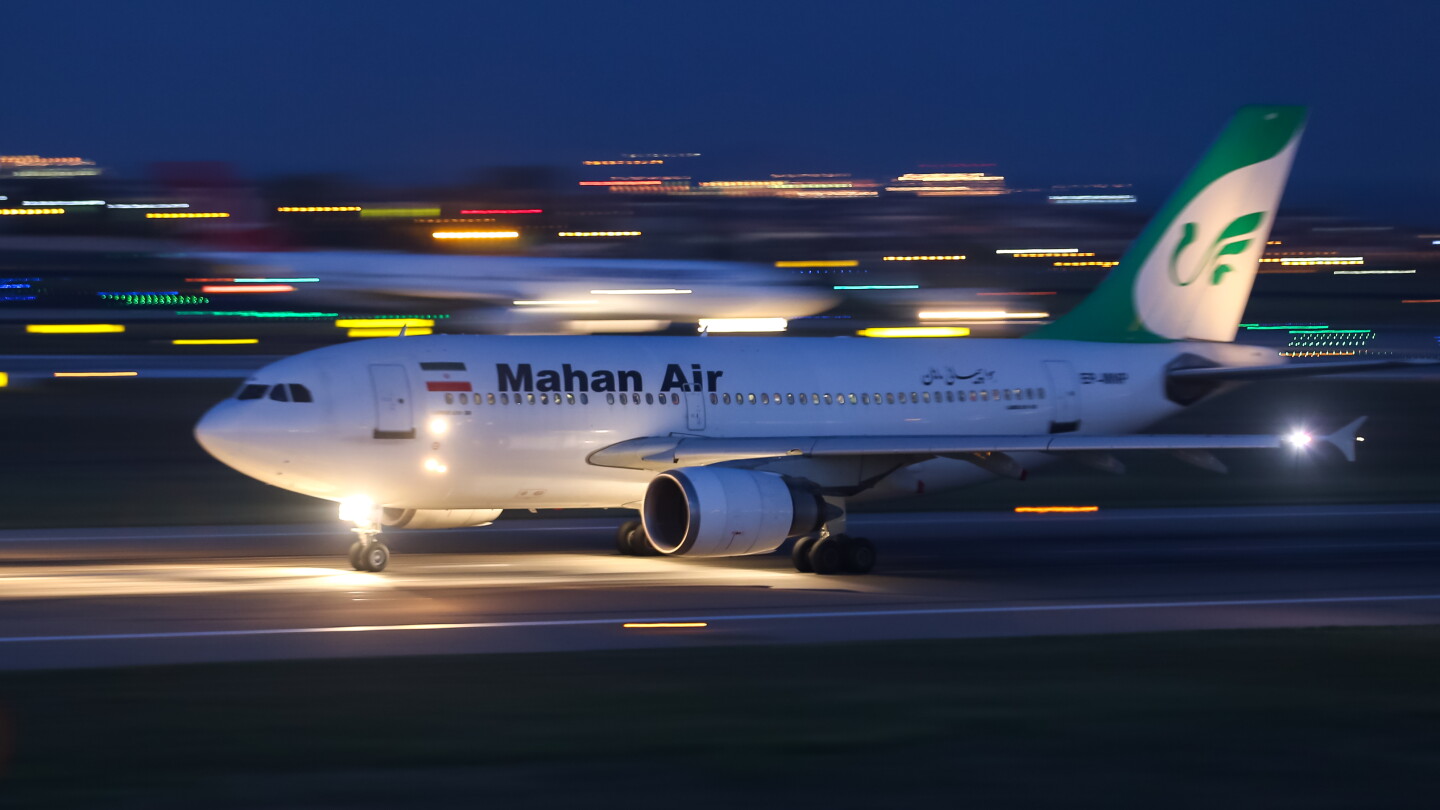
After the Treasury Department designated 27 Iranian airlines and associated foreign firms servicing them, Secretary of the Treasury Scott Bessent warned that anyone servicing or aiding their ticketing would risk losing dollar transaction access. Even though President Recep Tayyip Erdoğan has long sought to blunt Iran sanctions and even profit from their evasion, Turkey barred Mahan Air shortly after Treasury listed three Turkish firms that served the Revolutionary Guard-linked airline. The same Turkish caution applies to Russian planes. In March 2023, Turkey’s two largest ground handlers stopped servicing Russian-operated Boeings and Airbuses against the backdrop of Ukraine war-related sanctions.
But there are two frequent loopholes that undercut U.S. aviation sanctions. First, when Washington does not keep up with designations, countries play anti-sanctions Three Card Monte to bypass them. Smaller Turkish firms eventually took over servicing for Russian jets. Absent a general ban, Turkish officials allow other Iranian airlines to still fly to Turkey.
Second, gradualism undercuts effectiveness. Mahan may not go to Istanbul, but it continues to fly to Moscow’s Sheremetyevo airport, since the U.S. Treasury and Commerce Departments have targeted 27 Iranian airlines but no service providers in Russia. On September 11, 2026, for example, the Commerce Department renewed its order against Aeroflot to prevent re-export of U.S.-manufactured Boeings, but the order names no airport, fuel supplier, or handler, though Commerce said in 2022 that “any person anywhere” who refuels or repairs such a jet risks enforcement. It is, so far, an empty threat. Last month, Russia-operated Boeings flew to Turkey, Thailand, and Egypt. All three countries are American allies, yet the Trump administration allows them to help Russia bypass U.S. controls.
So, too, does Israel. The Russian airline Red Wings flies to Tel Aviv from Mineralnye Vody, the same airport culpable in supplying Tehran. Red Wings belongs to Rostec, which also controls Yakovlev. The U.S. Bureau of Industry and Security lists three Red Wings Boeing 777s. Legally, Israel does not violate U.S. Russia sanctions, but its tolerance for Red Wings undermines the broader fight against Iran.
Today, despite U.S. posturing, the air bridge to Tehran runs unchecked. Il-76 freighters, including those of U.S.-sanctioned Aviacon Zitotrans, flew repeatedly from Mineralnye Vody to Tehran last winter. Washington listed the airline but not Mineralnye Vody’s operator, whose parent, Novaport, the European Union has sanctioned.
Such sanctions loopholes and inconsistencies undermine U.S. policy across crises. While the United States offers $15 million for information on Islamic Revolutionary Guard Corps’ Aerospace figures, an air bridge enables Iran to ship drone engines to Russia.
Other U.S. aviation loopholes exist. Honeywell makes the radar and collision-avoidance systems upon which Russian Tupolevs rely. Yakovlev builds Superjets using American parts. In late 2018, about 22 percent of Superjet parts originated in the United States.
The Lindsey O. Graham Sanctioning Russia and Iran Act of 2026 Act requires President Donald Trump to review by October 18, 2026, any entity in which the Russian government holds a “controlling or majority-ownership interest” or that is “otherwise affiliated” with it, and to block those he finds.
The Lindsey O. Graham Sanctioning Russia and Iran Act of 2026 Act requires President Donald Trump to review by October 18, 2026, any entity in which the Russian government holds a “controlling or majority-ownership interest.”
It is time to close the loophole. The Russian state owns 73.8 percent of Aeroflot. Treasury should designate Aeroflot, its subsidiary Rossiya, and Red Wings. Other legal framework exist to close other loopholes. Executive Order 14024 from May 2023 allows the U.S. Treasury Department to designate anyone operating in Russia’s transportation sector. Trump’s team should target Novaport and the Mineralnye Vody airport. This Act already targets operators of foreign ports that admit sanctioned ships; Treasury should simply hold to the same standard airports that serve blacklisted Russian or Iranian aircraft. Treasury also might target any bank that clears payments for Aeroflot, Red Wings, or their suppliers. Israel must close Ben Gurion Airport to Red Wings, an airline whose owner arms the country that seeks Israel’s eradication.
Washington proved in September that it can make an airline’s suppliers fear for their dollars. Until it applies that rule consistently and designs sanctions to close loopholes, rather than enable them, Russian and Iranian behavior will not meaningfully change.