

Listen to this article
Estimated 4 minutes
The audio version of this article is generated by AI-based technology. Mispronunciations can occur. We are working with our partners to continually review and improve the results.
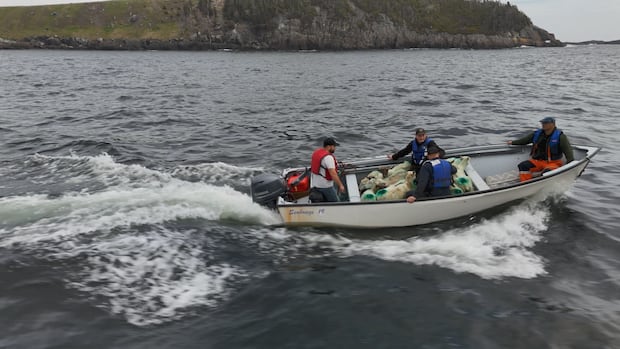
It’s a racket of crashing waves and bleating animals as sheep are loaded into a boat in Tors Cove, N.L.
Lambs and ewes are piled in for the voyage, as farmers work together for the animals’ yearly vacation.
The sheep are being ferried to graze on nearby Ship Island. There, they’ll be safe from predators, and moving them will free up the farmers’ land to grow hay they’ll need badly this winter.
This is part of what it takes to raise sheep in Newfoundland, and farmers say lamb is a product customers can’t get enough of these days.
“We could all easily double our production and still not meet market challenges and or demands,” sheep farmer David Hayes told CBC news.
WATCH | Lamb production in N.L. could double and still not meet local demand: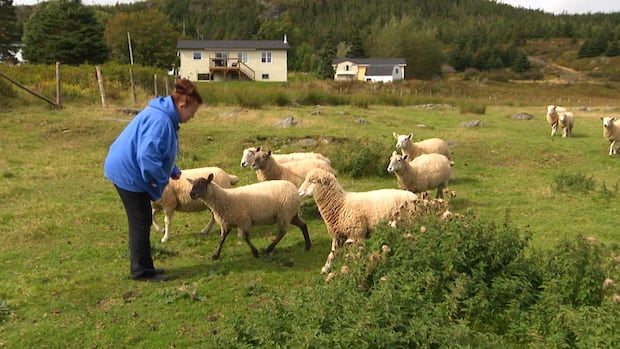
N.L. farmers struggle to meet big demand for lamb
Farmers say changing demographics in Newfoundland and Labrador are turning lamb into a hot commodity. As the CBC’s Madison Taylor reports, sheep producers are struggling to keep up.
Hayes said part of that increase in demand is due to changing demographics in Newfoundland.
“Lamb is in very high demand now. Mostly a lot of new Canadians because it’s a big part of their diet where it wasn’t part of our traditional diet here,” Hayes said.
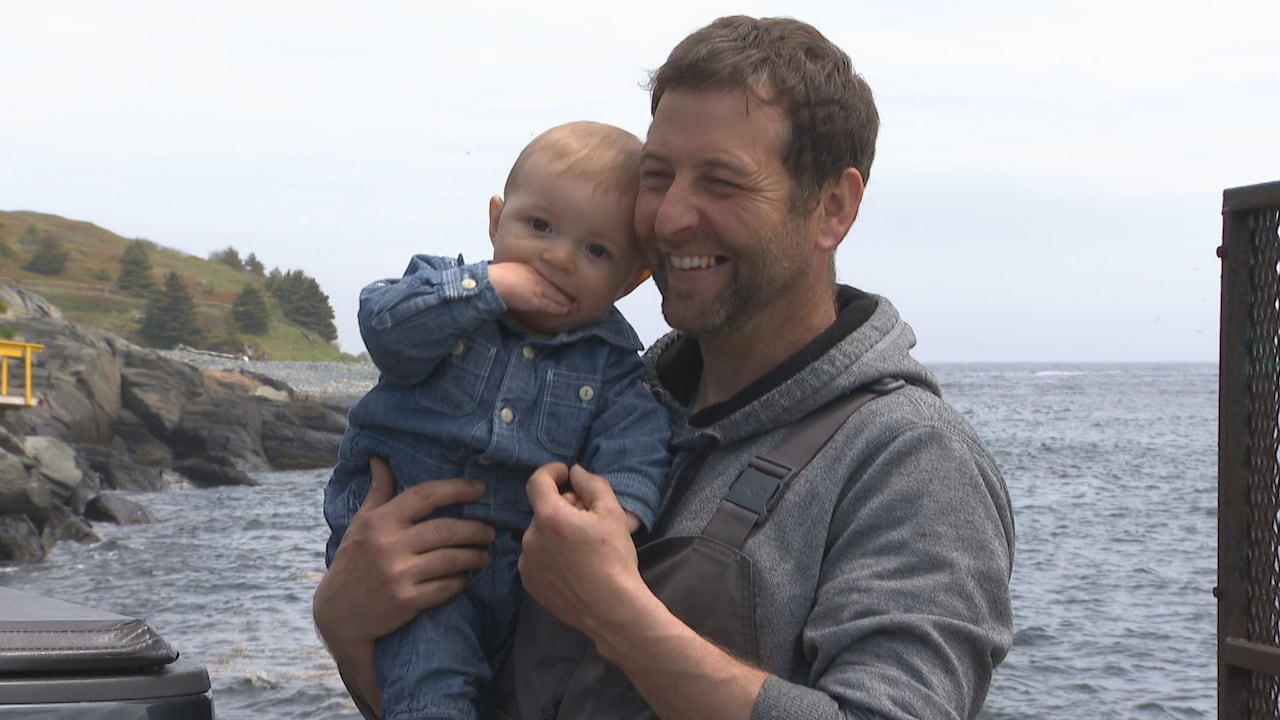
David Hayes already has a waitlist of customers looking for lamb. (Dan Arsenault/CBC)
‘Way more tasty than the frozen’
Mohammed Kasmi is the owner of an international grocery, Andaluzia Market, in St. John’s. He loves to eat lamb. So do his customers.
“The quality of fresh local lamb is way more tasty than the frozen,” Kasmi told CBC News.
But getting local lamb isn’t always possible to keep up with the demand he’s seeing.
Andaluzia market has been in business since 2020. Kasmi says he’s noticed an increase in demand in the last couple of years.
“International communities here like India, Afghanistan, Arabs, Middle East, I mean, everybody is interested in getting lamb in their menu, in their dishes. It’s very highly recommended by the international communities,” Kasmi said.
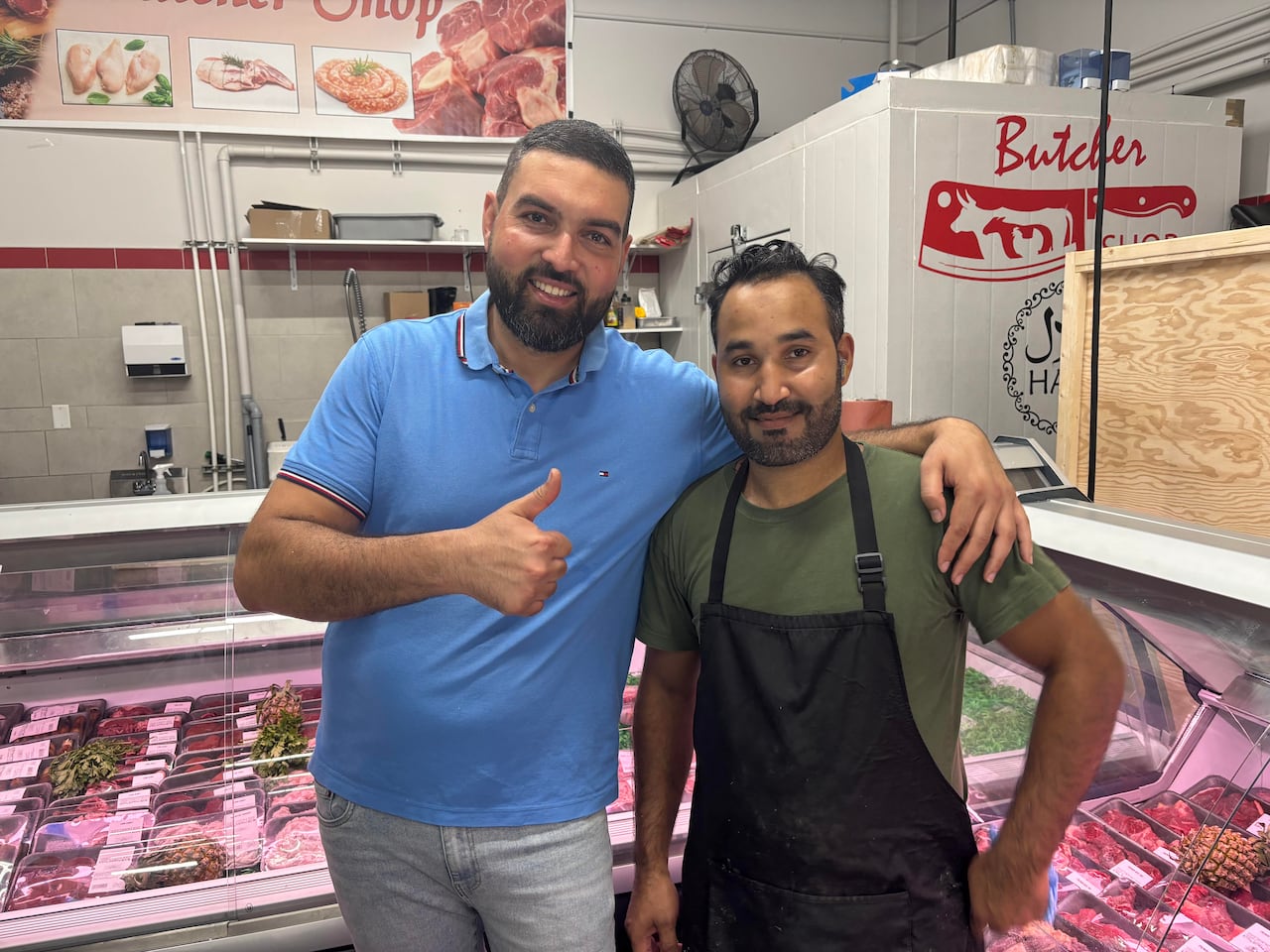
Owner of Andaluzia Market, Mohammed Kasmi, and butcher Youssef Aouachi say lamb sells out quick. (Madison Taylor/CBC)
Kasmi told CBC News he buys local lamb for his store whenever he can — whatever the price.
“We would like to support — all the time — the local farmers. We love to get from them the meat first. But unfortunately, if we don’t have any choice, we just have to look for different options,” Kasmi said.
Alternatives to local include fresh meat from across Canada, and frozen from even further afield — all the way down under.
Kasmi’s freezers are stocked full of meat from New Zealand and Australia.
Morocco-born Kasmi said that back home, he used to eat lamb three or four times a week. But now, he substitutes beef in some of his dishes when lamb is hard to find.
He said his customers do the same, sometimes using goat as a replacement, too.

Sheep travel by boat to Ship Island, where they graze during the summer. (Dan Arsenault/CBC)
The future of the flock
On her farm in Port Kirwan, Brenda Aylward’s flock comes as soon as she calls.
Aylward is President of the Sheep Producers Association of Newfoundland and Labrador. She’s also noticed an increase in demand in their products.
“It’s exciting to see the demand is there and that you are growing a product that people truly want and appreciate and value. It’s also extremely frustrating because the growth potential is there, but being able to access the resources you need to grow quickly, it’s not always an easy task,” Aylward told CBC News.
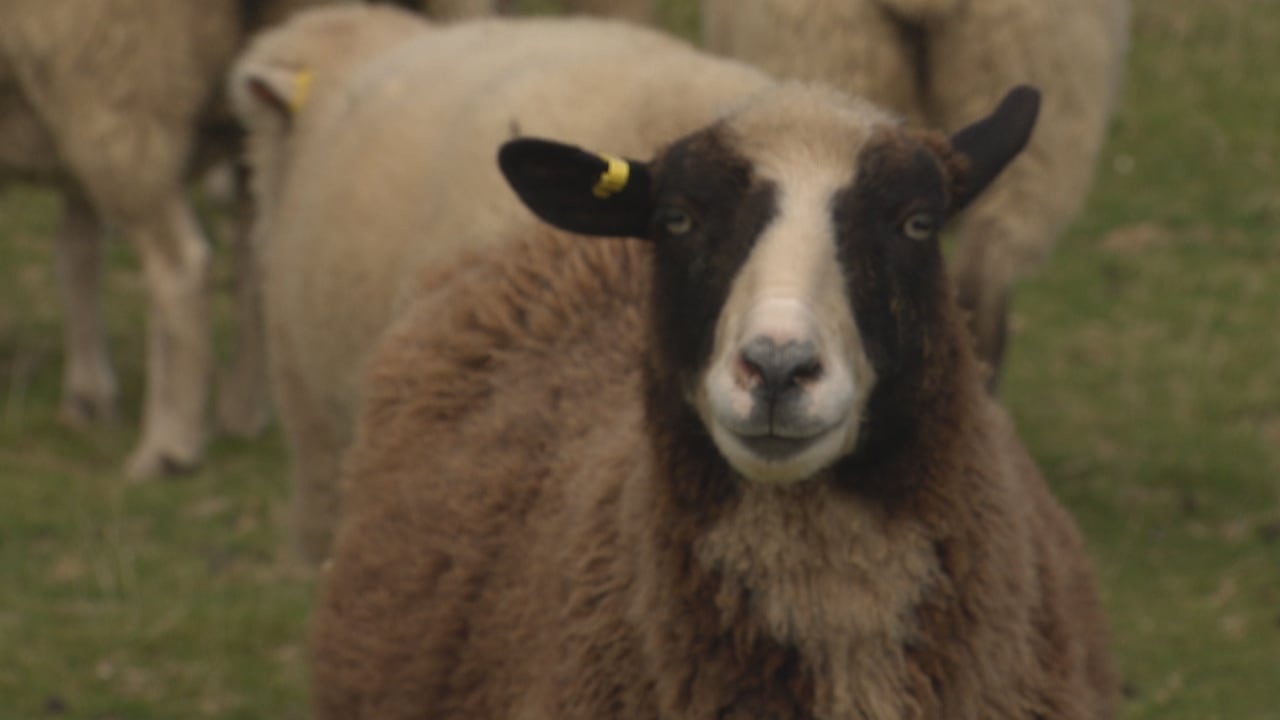
Farmers in Newfoundland and Labrador say coyote predation is one of the challenges they face. (Katie Breen/CBC)
Aylward said major challenges farmers face are coyote predation, and access to adequate grazing pasture. But SPANL is working to address that.
Aylward said it’s important for producers in the province to work together, and look to the future of the industry.
“It’s a positive sign to see some of the younger producers and farmers’ kids,” she said.
Aylward said that it’s important for producers to continue to make their voices heard to government entities for support.
The farmer encourages new people to get involved in the sheep industry.
“If we are supported fully by industry, by the public and by government … it is going to become a very lucrative industry in years to come,” Aylward said.
“I hope I’m still around to see that,” she said.
Download our free CBC News app to sign up for push alerts for CBC Newfoundland and Labrador. Sign up for our daily headlines newsletter here. Click here to visit our landing page.