
AISI began evaluating risks of the latest frontier AI models, prior to their public release, shortly after it was established in November 2023.
But it was reported in September, external that the White House had asked some leading US labs not to share their models with the research organisation until its own tests were completed.
The move was viewed at the time as a blow to AISI – which has been championed by the UK government and its partners for advancing open, constructive and collaborative AI testing.
Microsoft president Brad Smith recently told the BBC the institute had helped cement the UK as the country best-placed to drive forward global regulation.
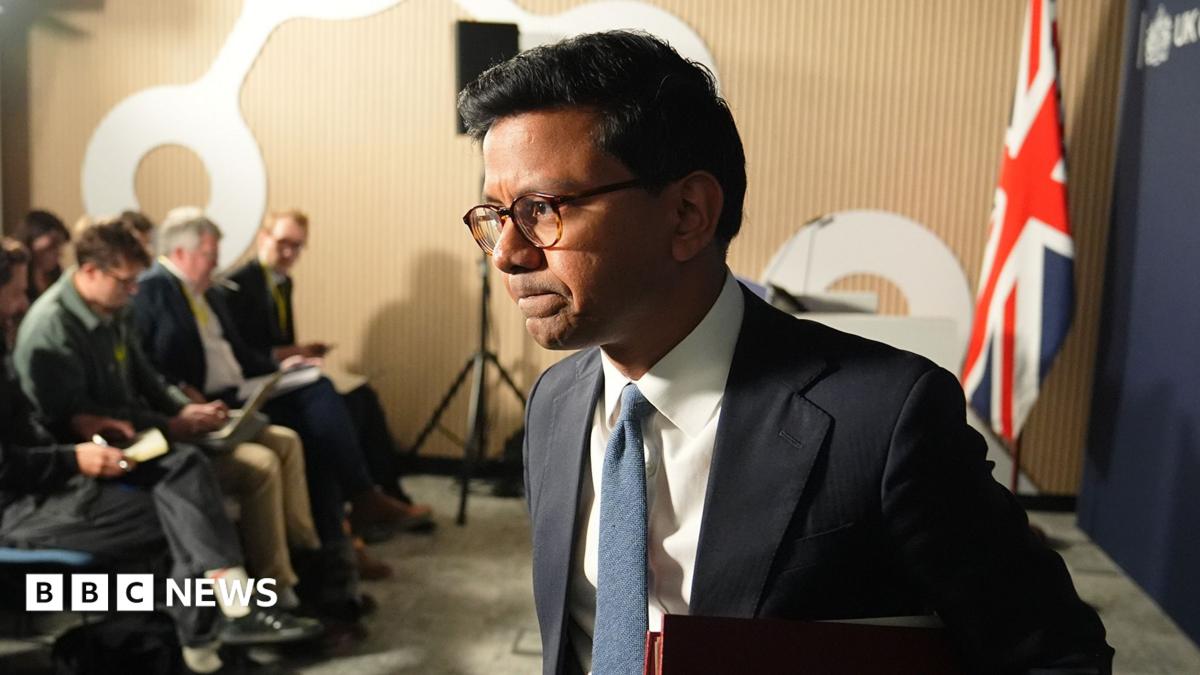
On Monday, Narayan said that in the last few weeks, the government had worked with the US “to retain access for Britain’s AISI to the most powerful AI models before they are released”.
He also said the UK would also look into creating stronger protections through the Cyber Security and Resilience bill, particularly at how serious AI incidents can be identified and reported.
The announcement follows a series of incidents involving AI agents across major firms such as OpenAI and Anthropic acting outside human control and hacking into external systems.
On 9 September, Evan Hubinger, a top safety researcher at Anthropic, warned in a post on X that AI is advancing so quickly he believed there is a greater than 10% chance it “could kill all humans” within the next decade.
The bosses of the US-based AI giants such as Anthropic, OpenAI and Google DeepMind have all backed the idea of an AI development slowdown.
However, there are currently no global safety rules in place to regulate the companies and their technology.
Meanwhile, President Trump has called for the sector to regulate itself so that US firms do not lose out to Chinese rivals.