
Chairs scrape across the floor of a small St. Paul, Minn., community centre as neighbours start to file in for “democracy defender” training offered by one of several grassroots organizations in the state.
The attendees are preparing for potential scenarios of disruption at the polls for the Nov. 3 midterms.
They learn how to form groups in their neighbourhood, divide into zones and create communication networks so they can make sure they are in contact with everyone on their street.
At several points they break into groups to discuss: What if the administration starts pushing falsehoods about voting rules? What should they do if federal officers attempt to enter the polling places?
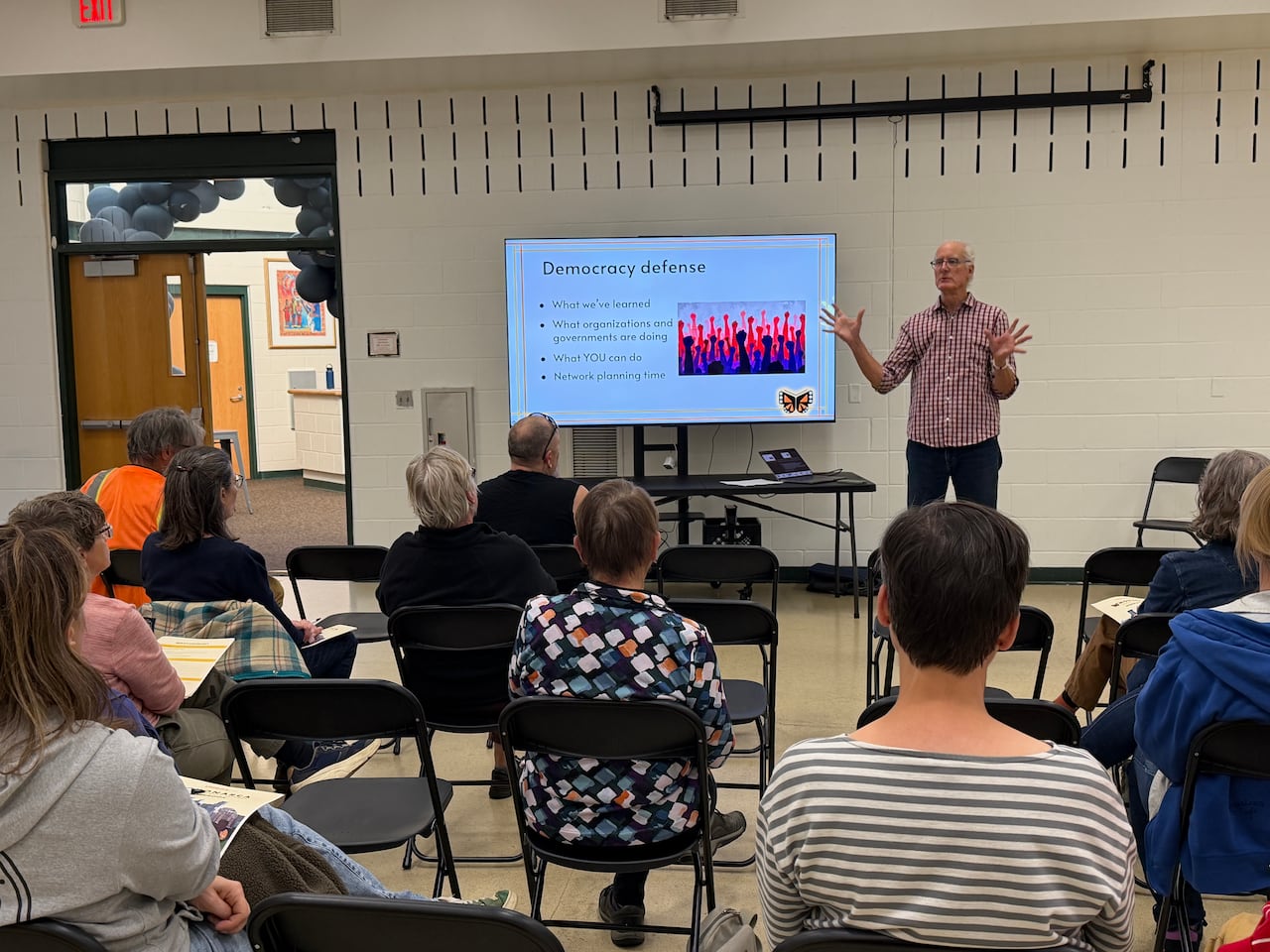
Community groups are holding ‘democracy defender’ training sessions like this one in St. Paul, Minn., to train citizens how to protect the polls if there is federal interference with voting on Nov. 3 and beyond. (Katie Nicholson/CBC)
Helen Kouba says she signed up because she felt she owed it to her seven-year-old after Operation Metro Surge, the Trump administration’s sprawling immigration crackdown earlier this year.
“My trust in some of the systems that I was brought up to believe in and not question has faltered and it has been really disappointing and disheartening,” she said.
It’s been roughly nine months since 3,000 federal immigration officers flooded Minnesota, arresting some 4,000 people and clashing with residents trying to slow them down.
In January, two U.S. citizens, Renee Good and Alex Pretti, were shot and killed by federal officers just weeks apart, eventually leading to the ouster of two prominent Trump immigration officials: Homeland Secretary Kristi Noem and Border Patrol commander-at-large Gregory Bovino.
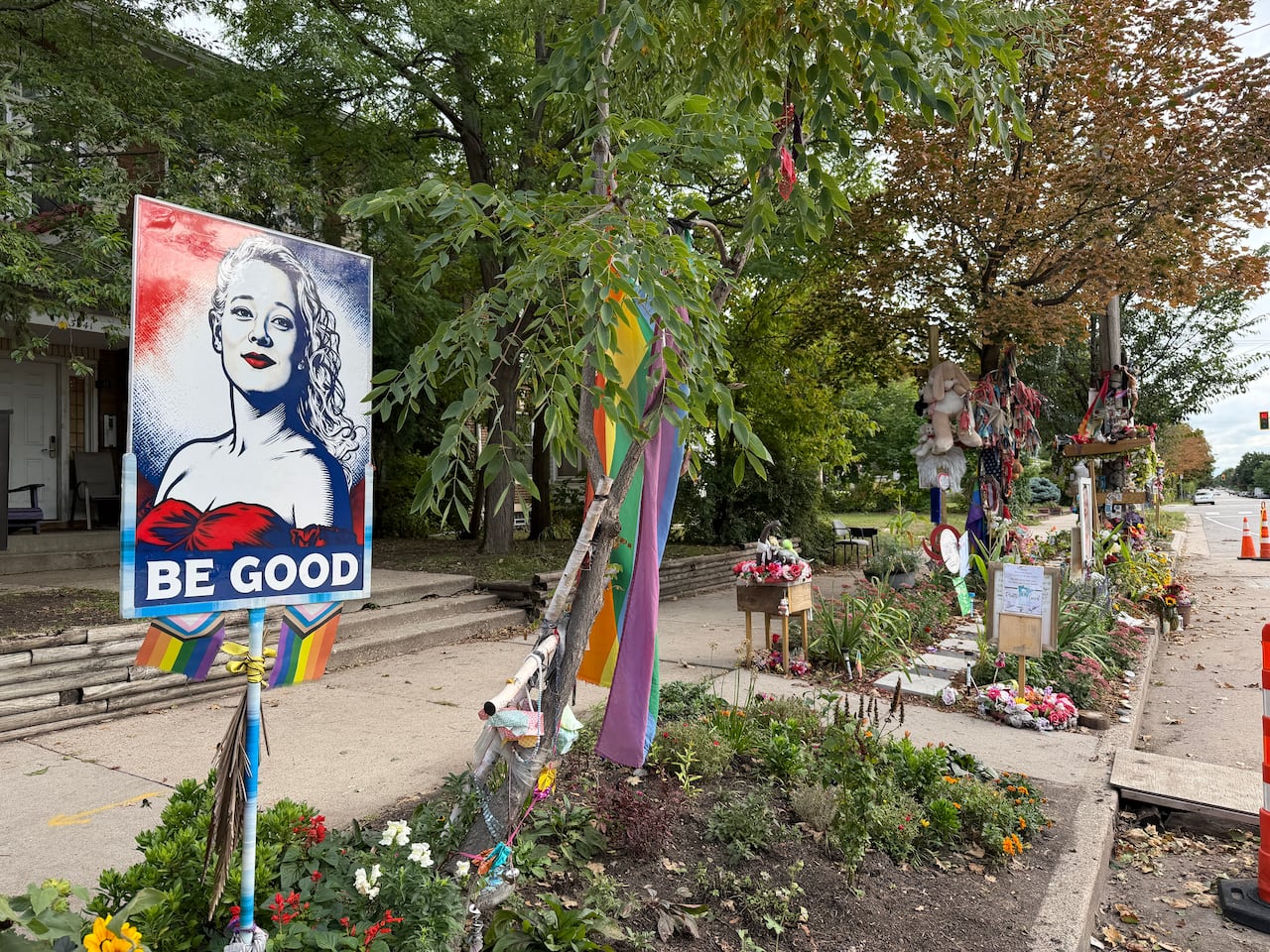
The memorial to Renee Good, who was fatally shot by an ICE agent in Minneapolis in January, still draws visitors who come to pay their respects. (Katie Nicholson/CBC)
Many in Minneapolis, where the operation was centred, organized themselves into groups to respond to and observe ICE raids often by recording interactions with their phones, blowing whistles to alert others, blocking traffic to slow down Immigration and Customs Enforcement (ICE) officers, and by creating encrypted group chats to communicate.
Now many of those same people have signed up for training to protect the polls in a Senate race that could be pivotal.
Fears of federal overreach
The Trump administration has repeatedly attempted to assert control over aspects of voting even though elections are administered by the states.
It tried to put limits on mail-in voting, which was subsequently quashed by the Supreme Court. It has continued to sow seeds of doubt about election integrity and the statistically rare cases of non-citizens illegally casting votes. U.S. President Donald Trump has repeatedly refused to rule out sending federal officers to the polls, including the FBI and ICE.
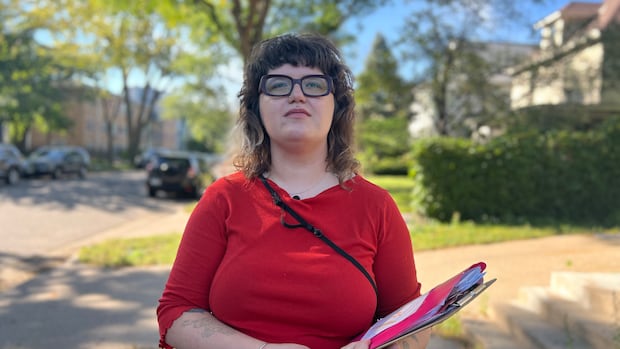
In a Minneapolis neighbourhood where ICE made several raids over the winter, Shae Alcamo drops handwritten notes to her neighbours. She stops people on the street to make sure they are registered to vote and to see if they are interested in signing up to join the grassroots effort to protect the polls.
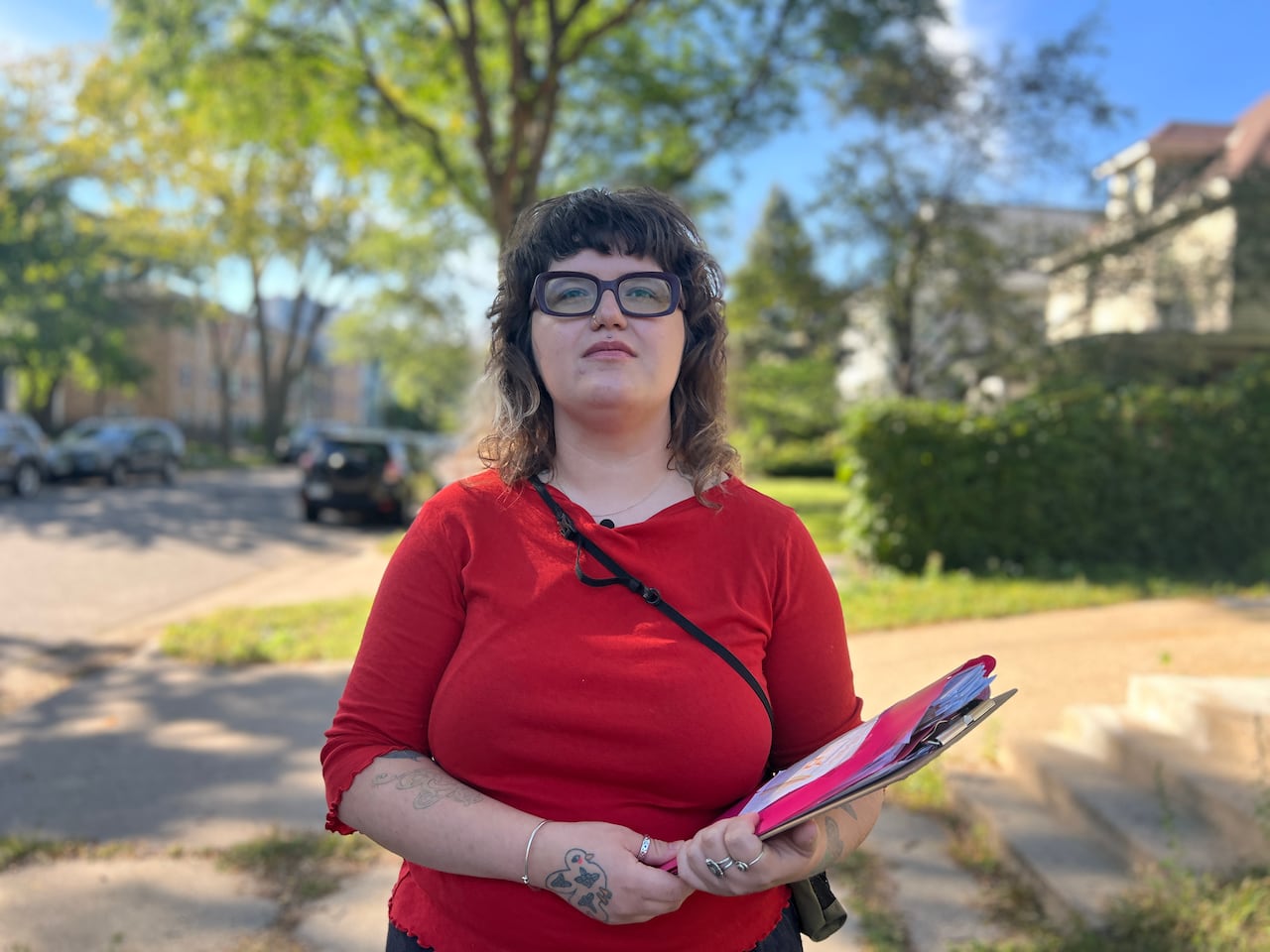
Shae Alcamo goes door to door in her Minneapolis neighbourhood to make sure everyone is registered to vote and to enlist help to keep the vote secure on election day. (Katie Nicholson/CBC)
“Ever since Metro Surge happened, I’ve really been focused on how we defend ourselves from the next threat,” she said.
“It’s a really hard conversation about what is possible for us when we’ve already seen state violence take away two members of our community.”
Concerns about federal interference run well beyond the neighbourhoods of the Twin Cities, all the way to the office of Minnesota Secretary of State Steve Simon.
“I’ve had this job for a while, and never ever before have I had to seriously think about the prospect that our own federal government will be an instigator of something that could interfere with the freedom to vote,” said Simon, a Democrat.
“You have a very short runway, so to speak, if say the weekend before the election something happens, a new executive order or a new proclamation or declaration of some kind or deployment of federal law enforcement.”
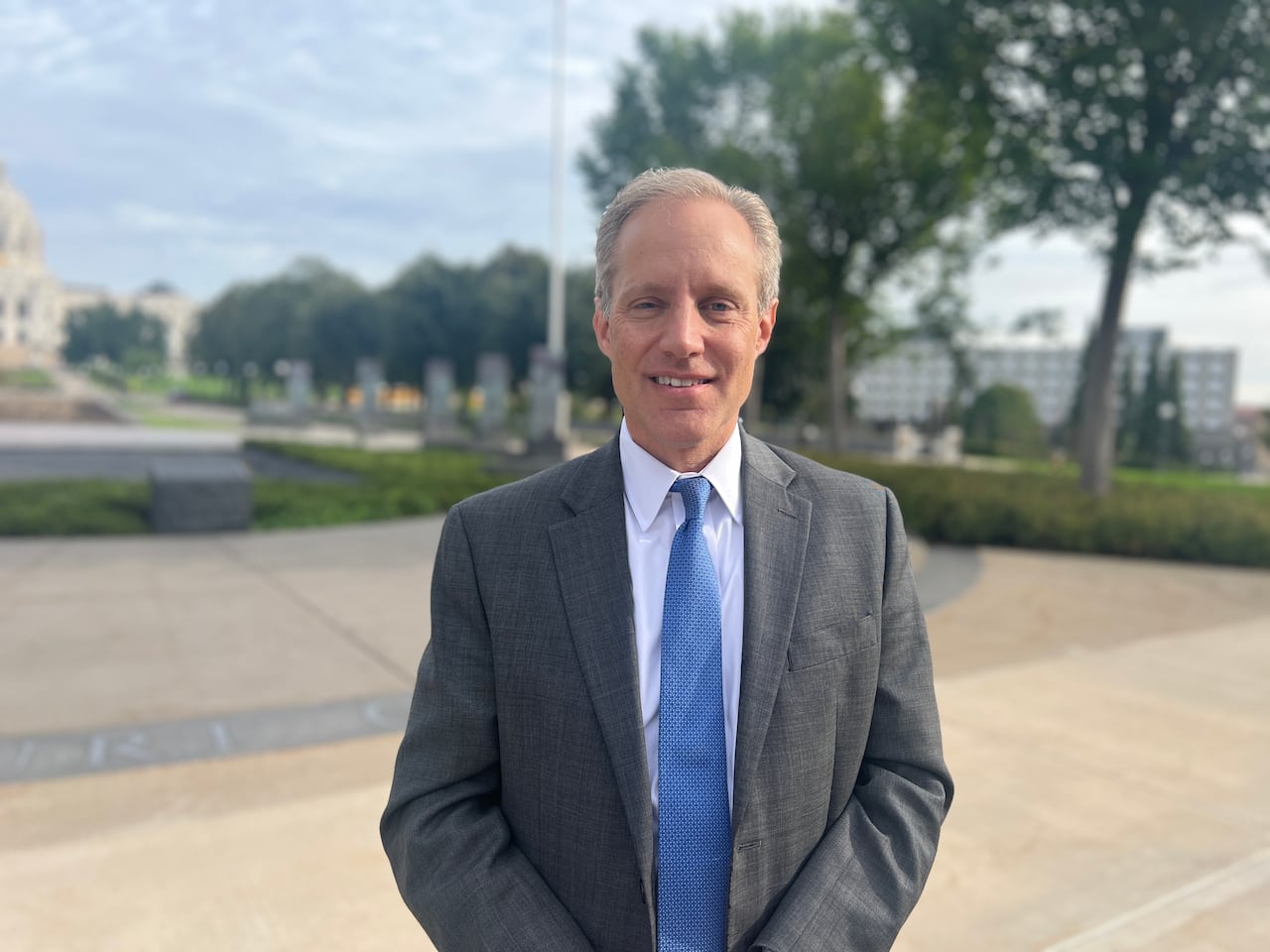
Minnesota’s Secretary of State Steve Simon says he has never had to prepare for a scenario in which the federal government might interfere with the vote in his decade in the job. (Mia Sheldon/CBC)
Simon has been meeting with his counterparts in other states to plan for different scenarios as a precaution.
“Operation Metro Surge is still a fresh wound,” he said.
Simon said that one of the lessons Minnesota learned from Metro Surge was how effective non-violent pushback can be on what he called undue or unlawful interference in the community.
“We are ready now in a way that we might not have imagined we would have to be before Operation Metro Surge.”
WATCH | From Dec. 2025 — ICE met with organized opposition in Minnesota: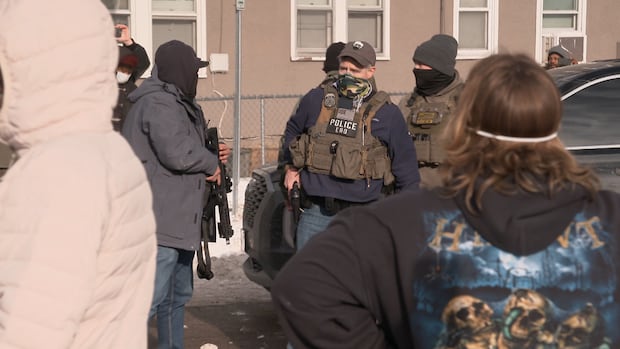
Minnesota immigration crackdown met by organized opposition
An immigration crackdown in Minnesota is being met by organized opposition from people who are angry about U.S. Donald Trump’s anti-Somali tirades. For The National, CBC’s Katie Nicholson goes to Minneapolis and finds a community coming together to try and protect its neighbours.Minnesota could be ‘decider’
In a midterm election where the balance of power in Congress is at stake, University of Minnesota political scientist Larry Jacobs said “Minnesota could be the decider.”
For Democrats to take control of the Senate, they’d need to win at least 17 of the 35 seats up for election this time — including several close races without incumbents, like Minnesota.
“It had been assumed that Minnesota would be safely Democratic in terms of a new senator being elected. But now we’re seeing polls, and it’s a toss-up,” said Jacobs.
“That’s gonna be perhaps a deciding factor in whether the Democrats or Donald Trump maintain control of the U.S. Senate.”
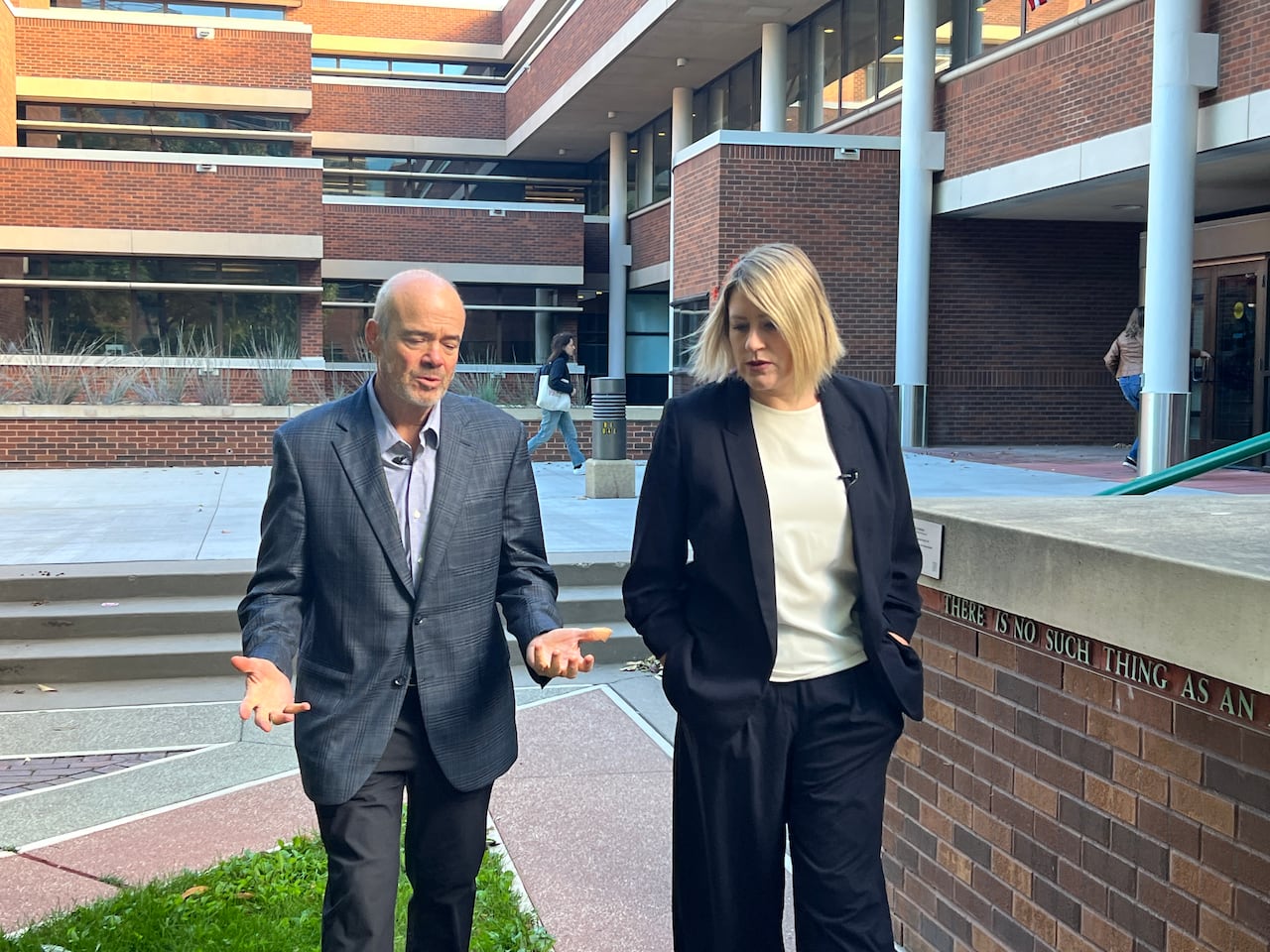
Political scientist Larry Jacobs says Metro Surge could tip the race for Minnesota’s open Senate seat toward the Democrats. (Mia Sheldon/CBC)
Former NFL sideline reporter and Republican candidate Michele Tafoya is neck-and-neck in the polls with the state’s Lieutenant Governor and Democrat Peggy Flanagan. The race has tightened, in part, Jacobs said, because of a number of damaging headlines about fraud and wasteful spending which have marred the state’s Democratic leadership.
Jacobs said many other issues have captured voters’ attention in the months since Operation Metro Surge including affordability, the price of gas, and the Iran war.
But the very populations targeted by the immigration crackdown could determine the outcome of the Senate race.
“We may have a very, very close Senate race … and the impact of Donald Trump’s Metro Surge and the immigration policy in general could be just what’s needed to tip the race away from the Republicans and towards the Democrats,” he said.
The Somali community in particular — targeted during Operation Metro Surge and frequently insulted by the U.S. president — typically turns out in high numbers to vote in a state which regularly has the highest voter turnout. Minnesota has the largest Somali community in the U.S.
On Thursday, Trump again resurfaced his attacks on Somali Minnesotans in a social media post saying they had taken over the state and there was “Violence Violence, Murder, and Mayhem all over the State.” He also offered to send the federal government to the rescue.
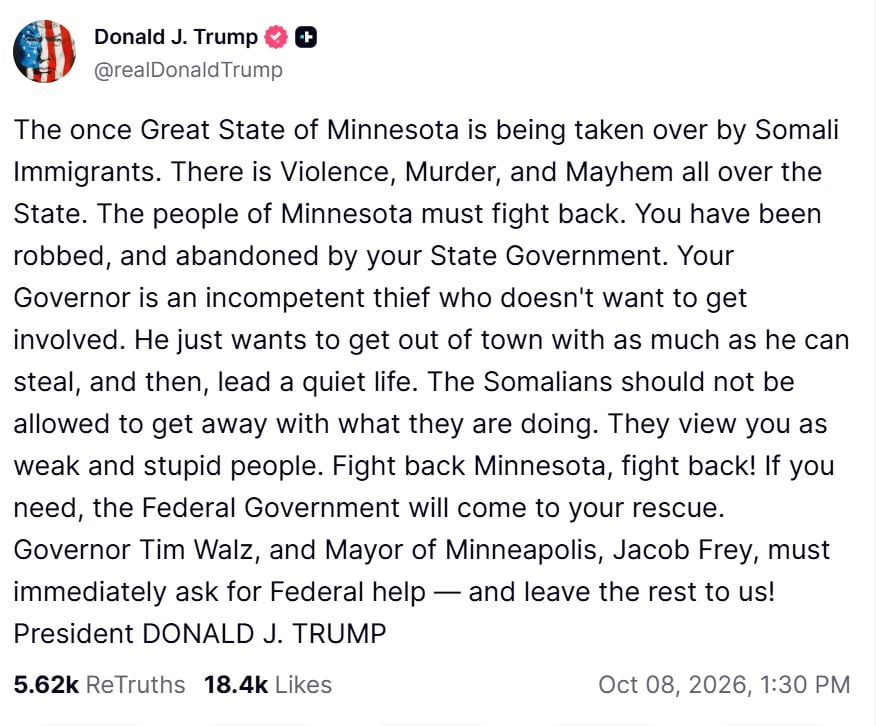
Anti-immigrant rhetoric posted by Trump on Truth Social on Thursday. (realDonaldTrump/Truth Social)
“There’s always been a number of Somalis, perhaps a third or a quarter, who had voted for the Republican Party,” Jacobs said. “But with the Metro Surge, there’s been some erosion of that support for the Republicans within the Somali community and among other immigrants.”
Immigrant communities pivotal
In 2024 Salman Fiqy stood behind Trump at a rally in St. Cloud, Minn., and worked on his campaign. For nearly a decade he said he felt a natural affinity with the GOP ticket.
“Somalis are a very religious, very conservative community and that conservatism drew me to the Republican Party,” he said.
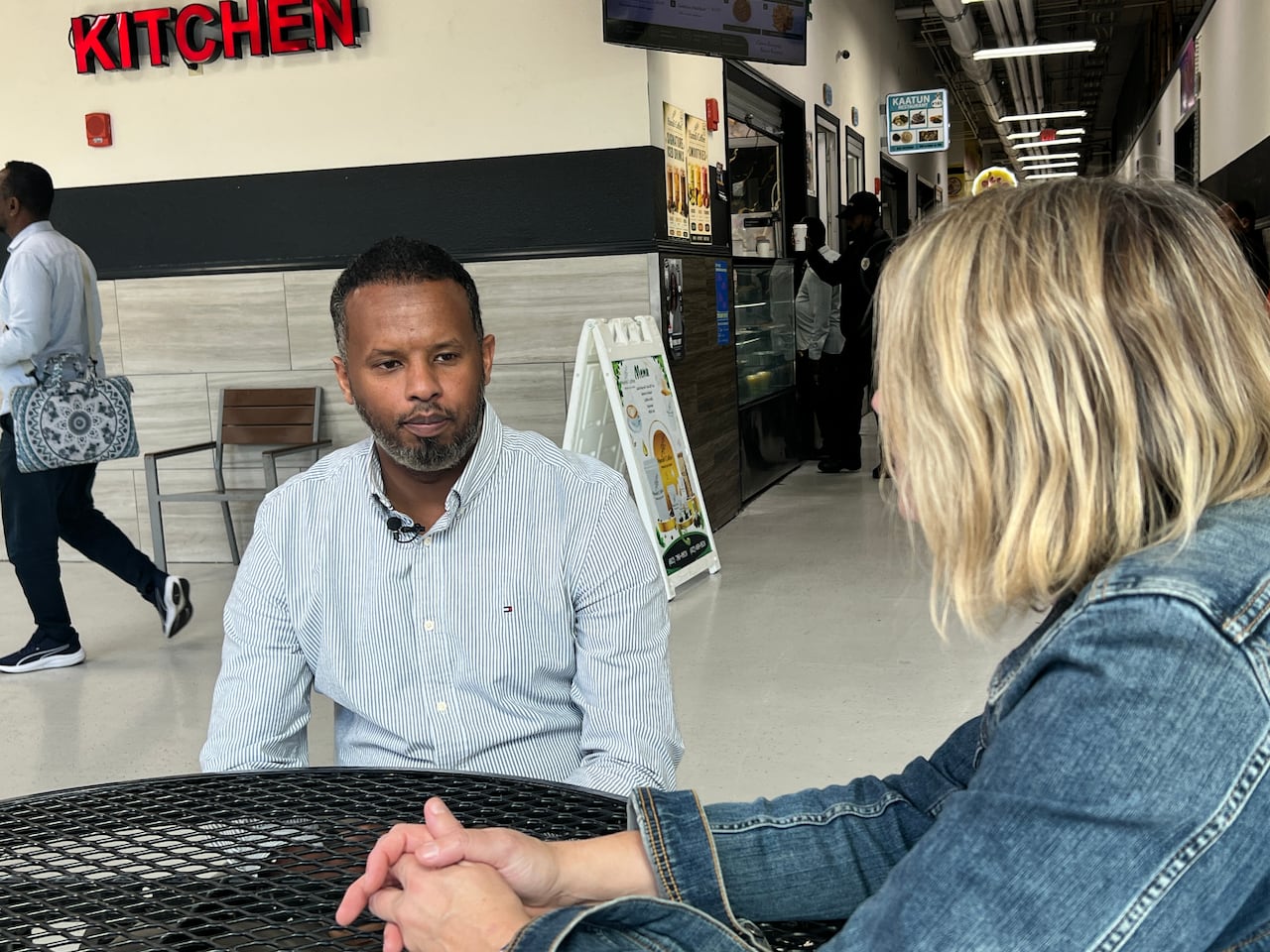
Salman Fiqy split from the Republican party when U.S. President Donald Trump called the Somali community ‘garbage.’ He says he is now politically homeless. (Mia Sheldon/CBC)
But all that changed in December 2025 when Operation Metro Surge began. Fiqy remembers the exact moment he broke with the party he had long supported.
“It was when Trump was sitting in his office and he called the Somali community ‘garbage’, that was the thing that broke the camel’s back,” Fiqy said. “But also I’m still a conservative, but I’m disavowing my connection with the Republicans as it is right now.”
Fiqy said if the Republicans want to do better in Minnesota, a traditionally blue state, they need to make inroads with immigrant communities. He accuses the Republican party of being spineless in its reaction to Trump’s comments about Somalis.
Metro Surge disrupted the work he and other conservatives had done, Fiqy said.
“It actually struck fear in our community to the point where it disrupts the daily activities of the Somali community, who are — the majority of them — are citizens,” he said.
Fiqy believes Somali Minnesotans are going to show up at the polls in full force for Flanagan in the Senate race.
“Because Somalis are typically very politically engaged and especially if they feel a threat, then they respond in the election,” he said.