
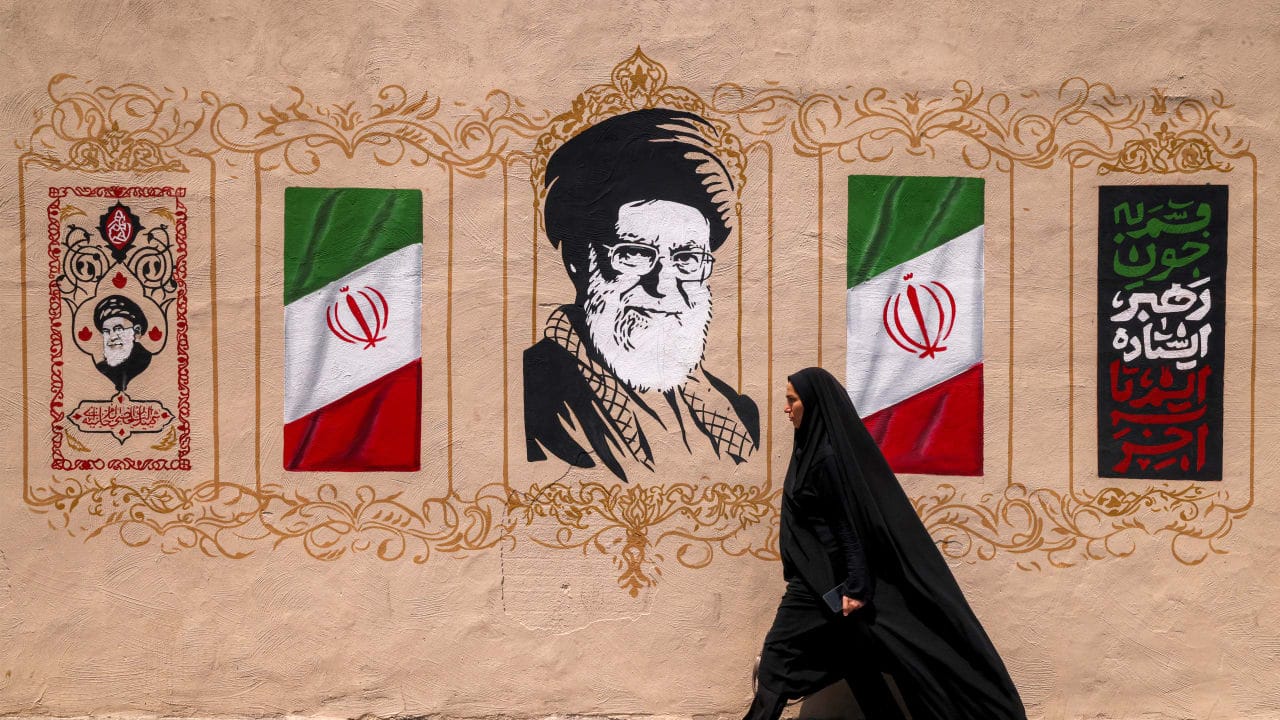
Iran’s hand in the Hamas-led October 7 massacre went beyond rockets and training camps. Reports say Persian was heard among the terrorists during the attack. A parallel campaign of Iranian hackers and fake accounts opened a second front, now reopening ahead of the election.
The internal frontThree years after the massacre
On the morning of October 7, 2023, on Simchat Torah, thousands of terrorists broke through the Gaza border fence, overrunning IDF posts, kibbutzim, the Nova music festival, and Sderot. Some 1,200 people were murdered, most of them civilians, and 251 were dragged into Gaza as hostages. It was the deadliest day for Jews since the Holocaust.
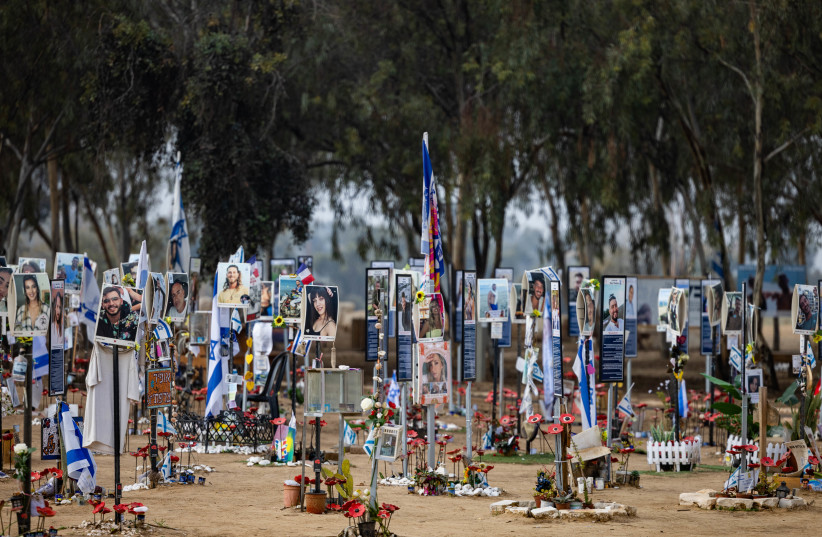 View of the Re’im music festival massacre, in southern Israel, January 16, 2025. (credit: Chaim Goldberg/Flash90)‘They were speaking Farsi’
Survivors are still piecing together that day themselves.
Eyal Eshel, whose daughter Roni was killed at the Nahal Oz base, told Channel 2 that survivors heard terrorists inside the compound speaking to each other in Farsi.
“I understand from this detail that they collected information about us before October 7,” he said, adding that bereaved families were gathering such facts “ourselves.” The IDF has not confirmed the account, which remains survivor testimony. But it raises the question Israel has asked since that morning: How deep was Iran’s hand in the attack?
Why Persian? Tehran’s fingerprints
Evidence of Iranian sponsorship is heavy: training, planning, money, and weapons.
The Wall Street Journal reported that some 500 Hamas and Islamic Jihad operatives received combat training in Iran in September 2023, led by the IRGC, with Quds Force commander Esmail Qaani attending.
Hamas minutes seized by the IDF show Yahya Sinwar spent over two years planning the attack and worked to persuade Iran and Hezbollah to join a wider war.
The IDF has accused Iran of supplying Hamas with weapons, money, and technological know-how for years.
Washington was more cautious: the secretary of state at the time, Antony Blinken, said the US had no direct evidence Iran planned the attack, “but that could change.”
The pattern is clear: Hamas pulled the trigger, but the gun, the training, and the strategy of a multi-front war came from Iran.
The external frontCyber warfare: hacking for headlines
Since October 7, Iran has sharply escalated cyber operations against Israel, according to the Foundation for Defense of Democracies (FDD), through fronts such as Handala Hack, CyberAv3ngers, and IDFLeaks.
Handala, tied to Iran’s Intelligence Ministry, has leaked the phone of Prime Minister Benjamin Netanyahu’s aide Tzachi Braverman, breached Naftali Bennett’s Telegram account, doxxed Unit 8200 members, and claimed 197 gigabytes from the Nahal Sorek nuclear center.
“Most of its mission is to damage public trust, create a sense of penetration, and amplify media resonance,” said Rafael Franco, former deputy head of the National Cyber Directorate.
Offline, counter-espionage arrests rose 400% in 2024 as Iran recruited Israelis on Telegram for surveillance and sabotage.
The bot army that was waiting
The Israeli firm Cyabra scanned over 162,000 accounts discussing the attack and found one in four was fake.
In the first 48 hours, it found ~40,695 fake profiles and 312,000+ pro-Hamas comments and posts, with 531 million+ views.
Many accounts were created over a year earlier and lay dormant until October 7 – preparation, not spontaneous outrage.
Iran hosts, its partners amplify
Iran did not fight alone – its partners shared interests, not a command.
Iran played the role of the host, sponsoring Hamas and contributing hacking units, fake outlets, and bots to their mission.
Qatar was the megaphone. It contributed to Hamas’s Doha leadership and Al Jazeera’s reach. Nearly a third of profiles engaging with AJ+ on X/Twitter were fake.
Turkey was a safe haven. It hosted Hamas officials and contributed by pushing the same narratives through state media and troll networks.
The result: an echo chamber, where a Hamas Telegram claim could be picked up by Al Jazeera, repeated by Turkish outlets and multiplied by fake accounts within hours.
What the bots did
According to Cyabra and FDD, the networks hijacked hashtags like #IStandWithIsrael, recycled old war footage as fresh evidence from Gaza, rewrote the massacre as justified (seeds of today’s denial), and targeted Israelis directly through Hebrew fake outlets like “Dofek TV” and AI deepfakes.
They left a distorted global picture, pressure on hostage families and soldiers, eroded trust at home, and an infrastructure that can be switched back on at any moment.
The next battle: October 27The bots are back
Security officials warn Iranian influence operations are already underway to deepen Israeli divisions ahead of the vote.
An investigation by the OSINT platform Golden Owl, reported by The Jerusalem Post, mapped 119,717 accounts and confirmed 57 as part of an Iran-linked campaign posing as Israelis.
Fifty-seven may sound small. But October 7 showed what a small, patient network can do: plant a narrative and let real users spread it for free.
Israel cannot be caught off guard twice
Before October 7, the warning signs were there. Israel saw pieces of the picture and didn’t act on the whole. Three weeks before the vote, we cannot make that mistake again.
Israel should treat October 27 as a likely target and prepare now. That means protecting the vote. Election systems, party databases, and the Central Elections Committee’s infrastructure should be hardened and tested, with backup plans ready.
It also means we must expect a strike timed to the vote. Handala hits at the moment of maximum impact; a fake “leak,” false results, or a deepfake on election morning should be planned for, not hoped away.
Platforms must be held accountable. X, Meta, TikTok, and Telegram must act fast against networks researchers have already exposed.
We must also stay alert beyond the screen. Iran has opened multiple fronts before. Security services should be on heightened alert for any attempt to exploit election day, online or off.
The front line is every phone
The government can’t do this alone. Before you share a shocking clip, an anonymous “leak,” or a post designed to make you hate your neighbor, ask who benefits. Too often, the answer is Tehran.
Three years ago, Iran helped bring a massacre to Israel’s border. Since then, it has waged a quieter war on what rockets can’t destroy: Israelis’ trust in each other. The answer is not panic but preparedness.
If Israel goes into October 27 alert, protected, and united enough to vote on its own terms, it will have won a battle Iran spent years preparing for.