
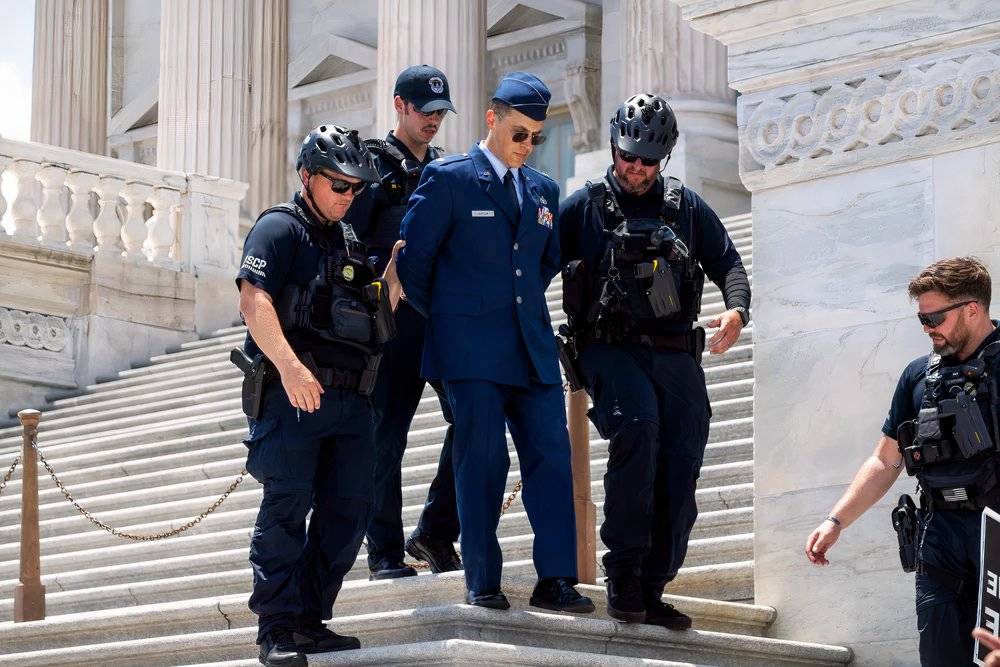
A U.S. Air Force member jailed since August for publicly calling for President Donald Trump’s impeachment is being held in solitary confinement 24 hours a day, according to his attorney.
Watson was arrested July 1 on the steps of the U.S. Capitol, where he demonstrated in uniform with a sign reading “Impeach. Convict. Remove.” after speaking at a news conference calling for Trump’s removal.
On Aug. 18, one day after he repeated his criticism in a CNN interview, the Air Force ordered him into pretrial confinement, saying at the time that he was being held at a county facility in Maryland on a military hold.
Maj. Jason Watson is “still in solitary confinement 24 hours a day,” his attorney, Christopher Mutimer, told CNN on Friday, Oct. 9.
“Even if he gets an hour to eat or to exercise, he’s alone,” Mutimer said. “He’s looking at having his liberty potentially taken away. … He is looking at being removed from the military, losing his benefits and potentially spending significant time in jail.”
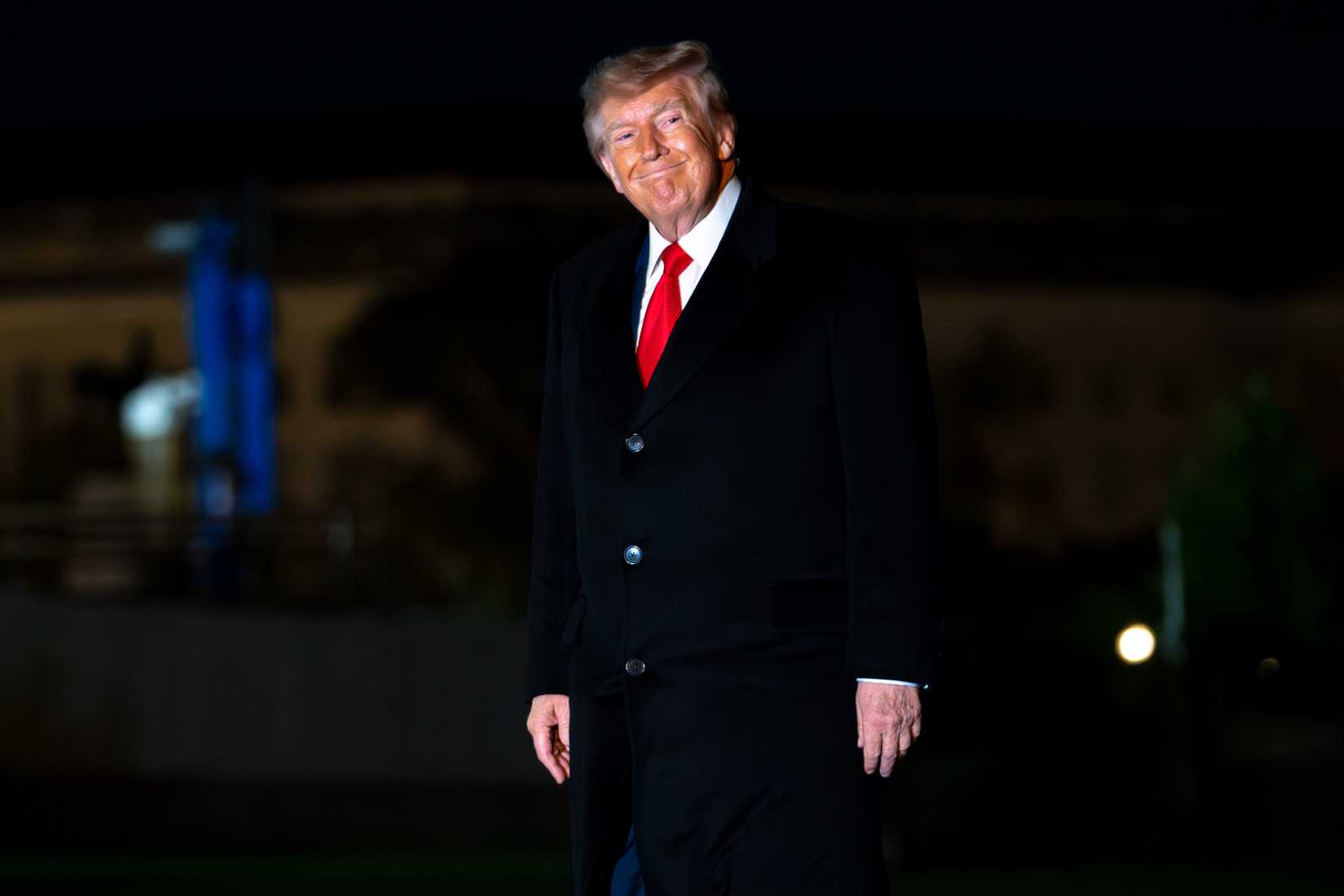
President Donald Trump returns to the White House following a trip to Clarksville, Tenn., on the South Lawn of the White House, Saturday, Oct. 10, 2026, in Washington. (AP Photo/Nathan Howard)
The Air Force and Mutimer did not respond to Military.com’s request for comment on Watson’s confinement conditions.
Prosecutors charged Watson under three articles of the Uniform Code of Military Justice (UCMJ), including the rarely used Article 88, which bars officers from using “contemptuous words” against the president.
The government also moved toward trying him at a general court-martial, the military’s most serious level of trial.
Confinement Cannot Be Punishment
Military law draws a hard line in cases such as this.
Article 13 of the UCMJ prohibits punishing a service member who is awaiting trial and says confinement may not be “any more rigorous than the circumstances require.”
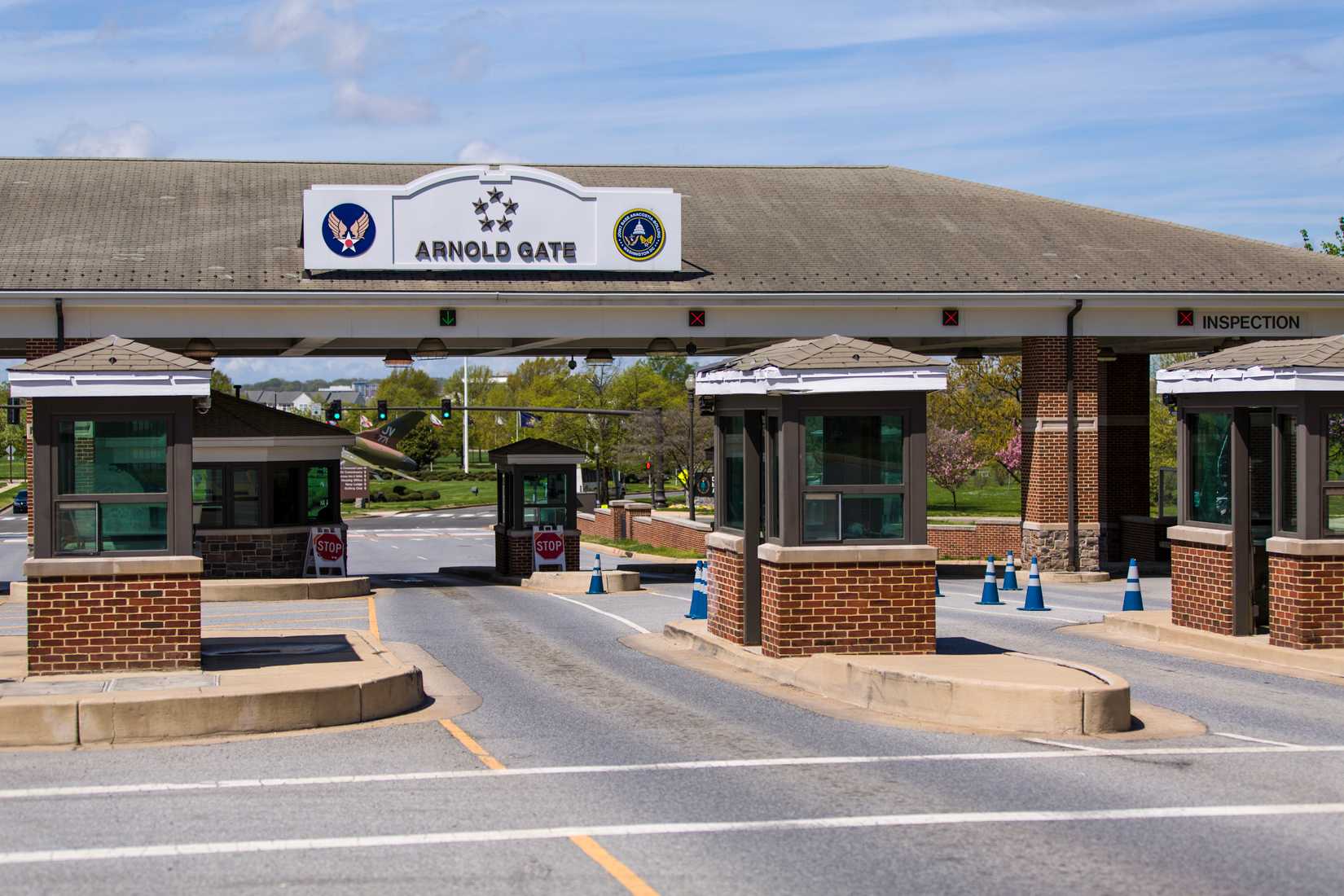
Joint Base Anacostia-Bolling (JBAB)Credit: Lt.Cmdr. Jim Remington, Public domain, via Wikimedia Commons
Courts-martial can award credit against an eventual sentence when a judge finds pretrial confinement crossed the line into punishment. When the Air Force first confined Watson in August, it cited “probable cause to support allegations of continued misconduct.”
They said he “is presumed innocent and will be afforded all rights” under the military rule that requires his confinement to be reviewed.
The service has not publicly addressed Mutimer’s description of the conditions.
‘Moving Forward’ With Military’s Most Serious Trial
Mutimer told CNN the government is moving forward with a general court-martial, the military equivalent of a civilian felony trial.
In September, a hearing officer recommended that most charges proceed to that forum while urging that several others be dismissed, as Military.com previously reported.
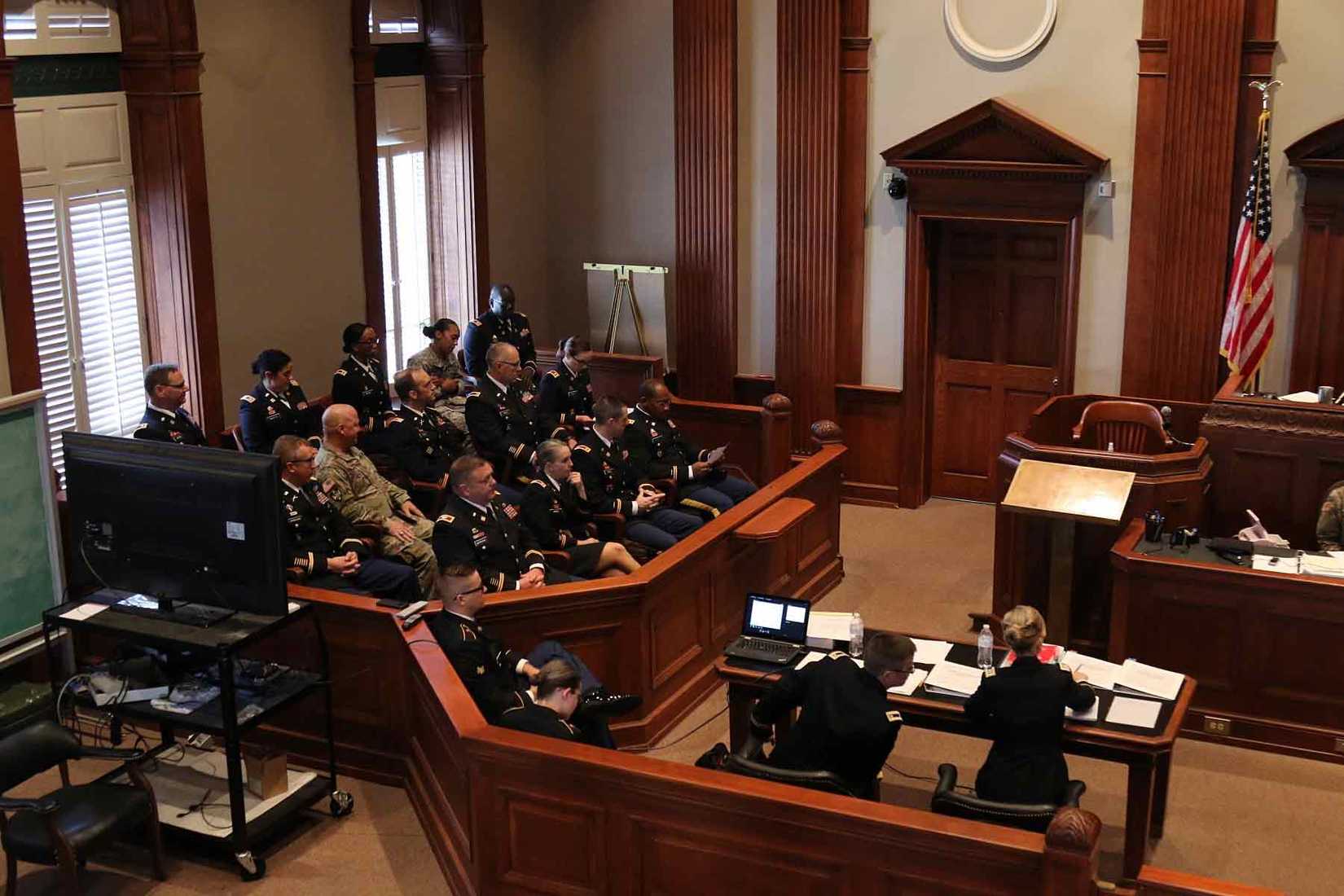
The 167th Theater Sustainment Command Judge Advocate General section culminated a yearlong training exercise Aug. 7-8, 2018, at the Calhoun County Courthouse, Anniston, Alabama, holding a mock court-martial. (U.S. Army)
The Air Force has not publicly confirmed that the convening authority—the commander who makes the final call—has formally referred the case to trial.
Watson’s defense has asked for the charges to be handled instead at a special court-martial, a less severe forum, and has compared his case to that of Marine Lt. Col. Stuart Scheller.
Scheller was court-martialed after publicly criticizing military leaders over the Afghanistan withdrawal and pleaded guilty to lesser charges.
‘The Highest Price’
Watson has framed his protest as a matter of conscience rather than politics.
“Nothing that is worth doing is something that you can do for free. Everything that is worthwhile is going to cost something,” he told CNN in an interview recorded before his arrest.
“So, all that I could do was ask myself, what’s the highest price that I’m willing to pay?” Watson added.
No trial date has been set as Watson remains in pretrial confinement.