
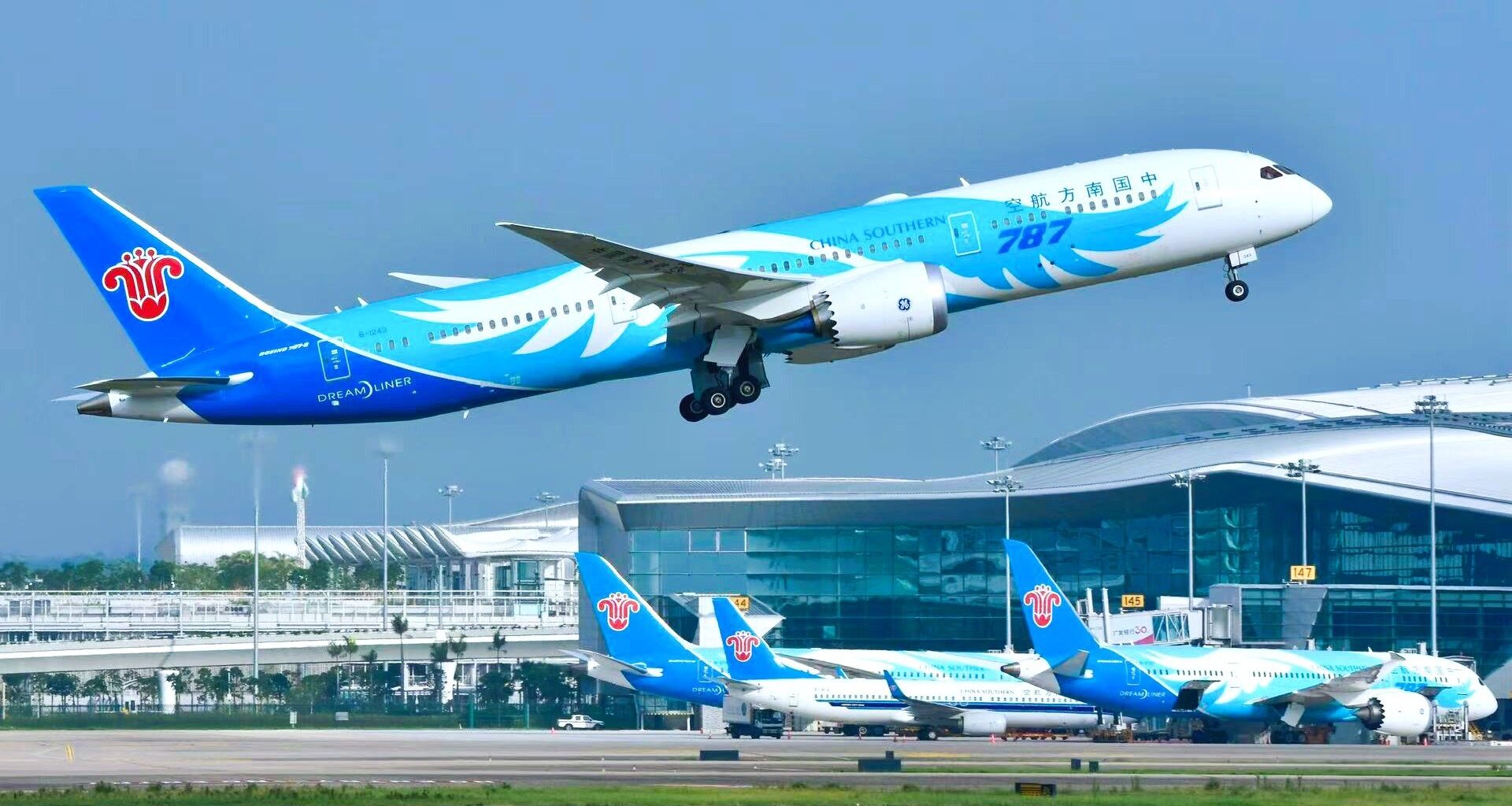
China and India have agreed to resume direct flights between the two countries for the first time in more than five years. It marks a significant step toward mending diplomatic ties and restoring travel links disrupted by the pandemic, followed by a deadly border clash. Although no specific date has been set, state media reported that the two governments will finalize an updated air services agreement and restart flights “at the earliest” opportunity.
The resumption of direct flights will be a boon for both Chinese and Indian carriers. However, the Indian aviation market has advanced considerably in the last five years, which will likely reset the balance of power. Prior to the pandemic, Chinese carriers carried out more than 80% of direct flights, but a resurgent Air India and an IndiGo that is now more than twice the size will likely expect a greater share of the market.
Agreement On Resuming Direct Flights
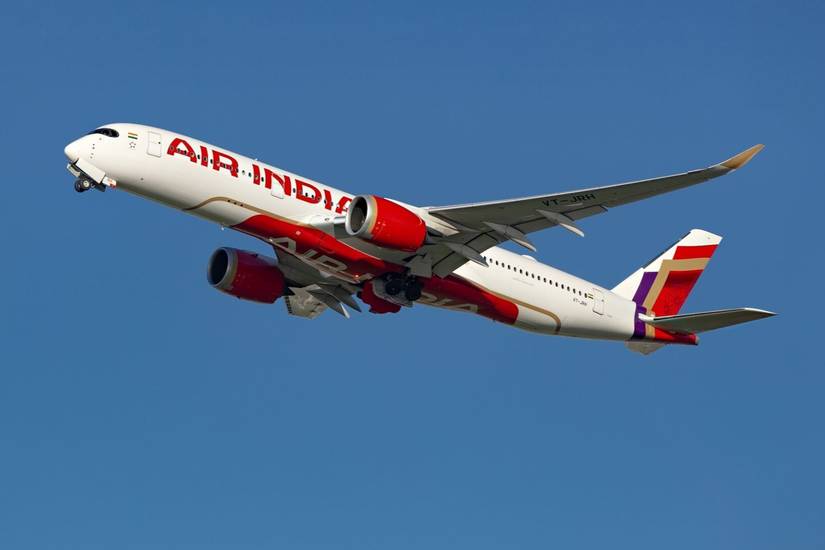
Photo: Abdul Quraishi | Shutterstock
Back in 2019, approximately 1.25 million people traveled on direct flights between the two nations. But the pandemic caused the initial shutdown of the air corridor, and then the bilateral relationship soured further following the standoff in Eastern Ladakh in 2020, which has prevented the resumption of direct flights until now. Travelers between the two countries have had to route via the likes of Hong Kong, Bangkok or Singapore.
Chinese Foreign Minister Wang Yi made an official visit to New Delhi earlier this week, during which he met with Indian Prime Minister Narendra Modi to discuss the thawing of diplomatic relations between the two neighbors. Part of those discussions included the formal agreement to resume direct flights as soon as possible. This will be facilitated by an updated Air Services Agreement, as well as the opening up of bilateral visa programs that have been kept at near zero over recent years.
Following the talks, Yi emphasized that China and India “should be partners, not adversaries,” and expressed deep satisfaction with the progress that has been made on both sides. For its part, the Indian ministry of external affairs released a statement that appeared to indicate that the satisfaction is mutual:
“Both sides agreed to resume direct flight connectivity between Chinese mainland and India at the earliest, and finalize an updated Air Services Agreement. They also agreed on the facilitation of visas to tourists, businesses, media and other visitors in both directions.”
What Routes Can We Expect?
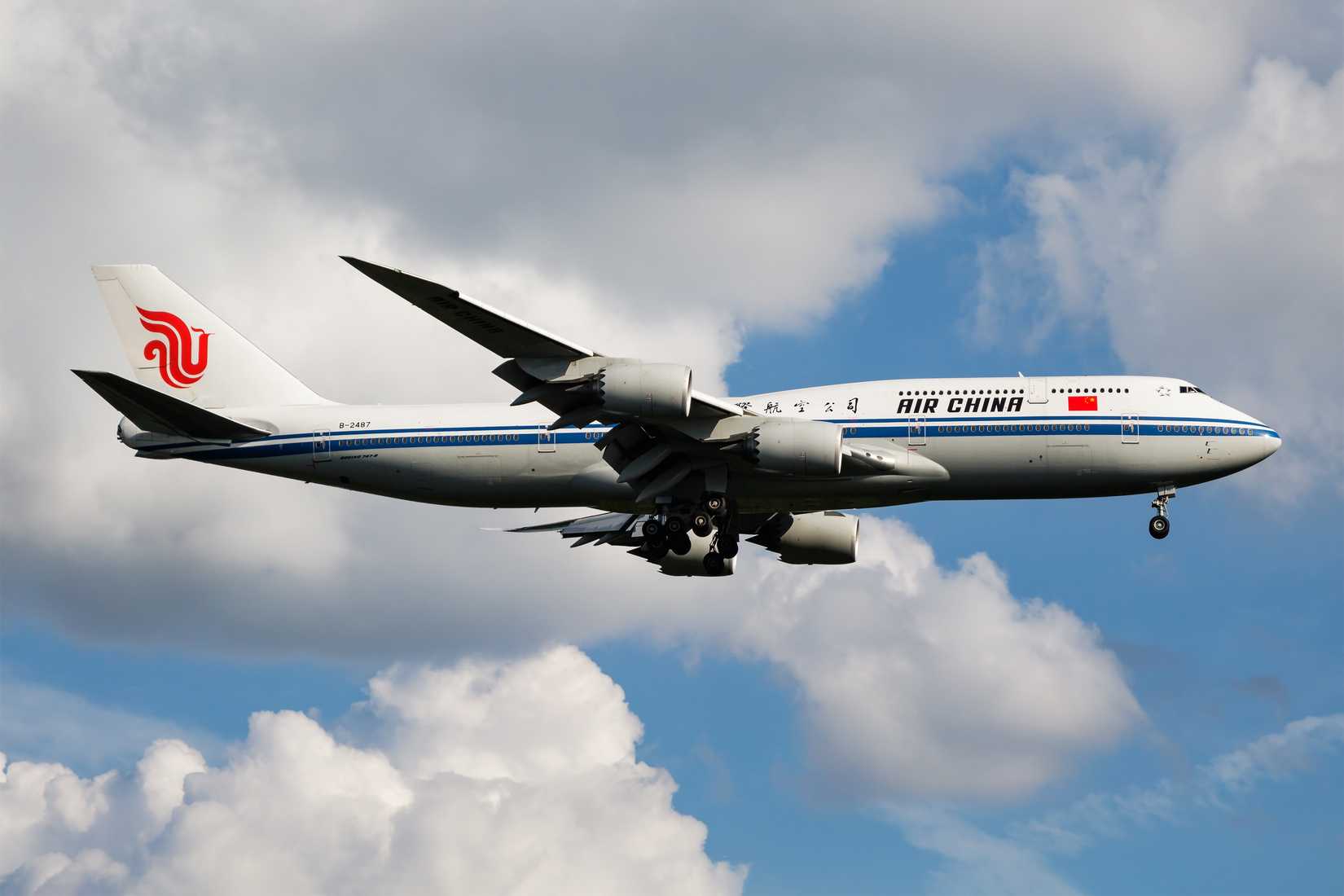
Photo: Soos Jozsef | Shutterstock
Speculation is already beginning regarding what new routes we can expect once direct flights resume. Perhaps the best predictor is to take a look back at the routes that operated before the shutdown. Prior to 2020, direct flights between China and India were limited but growing, with a total of 9 routes operating, with a peak of around 540 scheduled flights per month in December 2019.
Looking Back: China-India Direct Flights In 2019
Indian City
Chinese City
Airlines
Frequency
Delhi
Beijing
Air China
Daily
Delhi
Chengdu
IndiGo
Daily
Delhi
Guangzhou
China Southern
2 x daily
Delhi
Kunming
Shandong Airlines
4 x weekly
Delhi
Shanghai
China Eastern; Air India
Daily (both)
Kolkata
Kunming
China Eastern
Daily
Kolkata
Guangzhou
IndiGo
Daily
Mumbai
Beijing
Air China
4 x weekly
Mumbai
Guangzhou
Rwandair
3 x weekly
It should be noted that IndiGo’s routes were the most recent additions, launched in 2019 and operated by its newly-delivered Airbus A321neo fleet. It also had plans to launch a daily Mumbai–Chengdu service in March 2020, but this was halted before it began because of the pandemic. Interestingly, one of the routes was a fifth freedom flight by Rwandair, which operated three times a week on the Kigali-Mumbai-Guangzhou route.
As direct flights resume, the primary focus will be on business and trade travel, as there is no real history of either nation being a major tourism destination for the other. On the Indian side, Delhi will undoubtedly remain as the main Indian hub, likely with more expansive service from Mumbai and Kolkata, and with Hyderabad, Bengaluru and Chennai making for natural additions. The Chinese “Big Three” of Beijing, Shanghai and Guangzhou will see an immediate resumption of service, and expect Chengdu, Shenzhen, Chongqing, and Kunming to feature.
A Shift In The Balance Of Power?
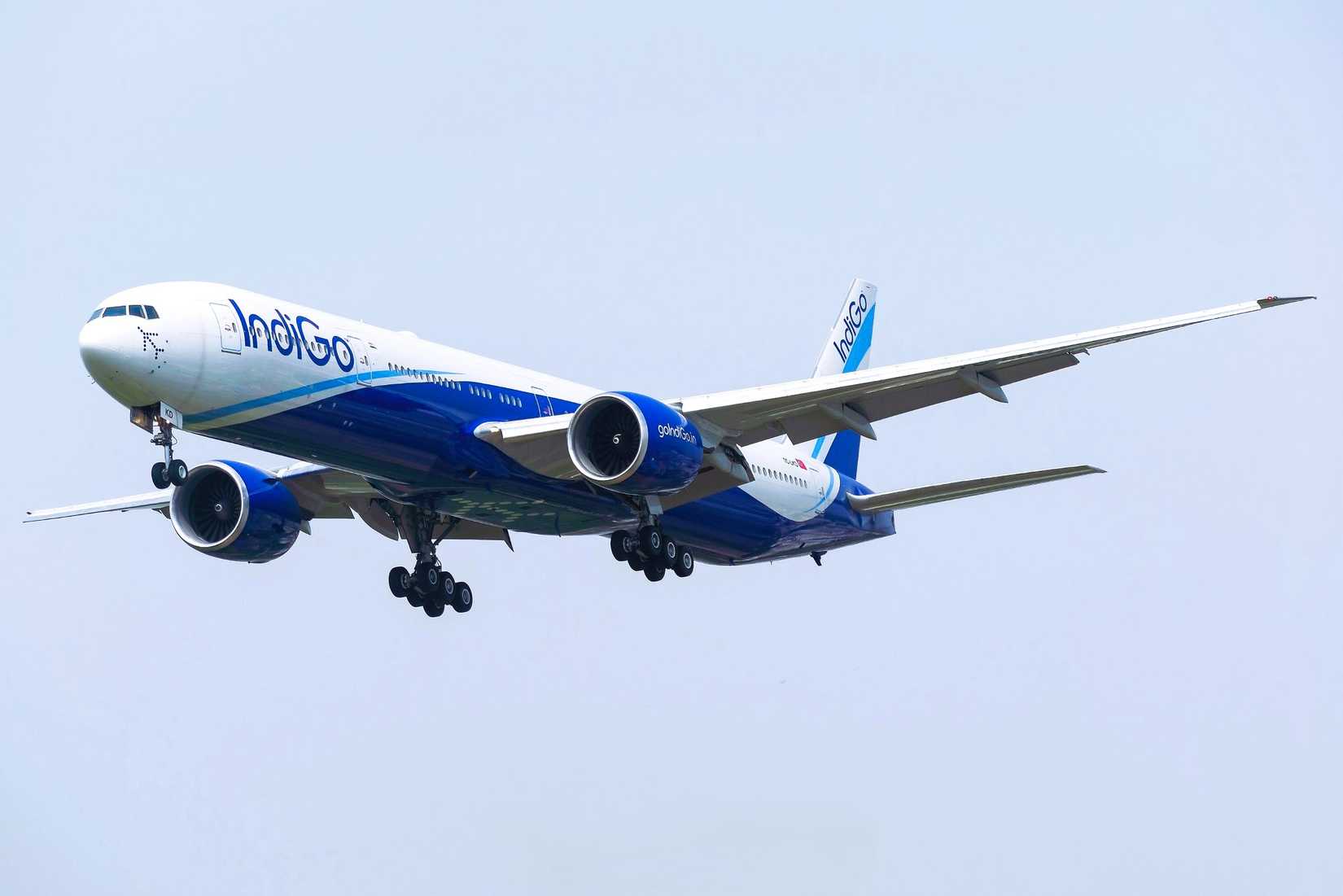
Photo: IndiGo
When there were last direct flights between the two countries, Chinese carriers dominated the market. They generally utilized larger aircraft and had greater frequencies, resulting in them having more than 80% share of the 125,000 available seats per month.
Airline Market Share (Seats): China-India Direct Flights In 2019
Airline
Market Share
China Southern
31%
China Eastern
27%
Air China
17%
Air India
11%
Shandong Airlines
6%
IndiGo
5%
Rwandair
3%
Despite this historical dominance, aviation industry observers do not anticipate that Chinese carriers will maintain such a significant share because a lot has changed within the Indian aviation sector since 2019. Air India, now privatized and well-capitalized, has ambitions for rapid growth, particularly in the international market. With more than 70 widebodies and over 200 A321s set to be delivered to the carrier over the next few years, it will also have the capacity to establish trunk routes as well as connect secondary cities in both nations.
IATA Code
AI
ICAO Code
AIC
Year Founded
1946
Similarly, IndiGo, India’s leading domestic carrier, is more than twice the size of what it was in 2019, and now more focused on expanding its international network. Its CEO, Pieter Elbers, has said the airline is “ready to go” with direct service to Beijing and other cities too, “as soon as the bilateral arrangements are in place.” As the airline with the largest Airbus order book in the world, with some 950 aircraft set to be delivered over the next decade, it too is well positioned to provide extensive connections between the world’s two most populous countries.