
Editor’s note: This is a developing story and will be updated as more information becomes available.
Kyiv came under missile attack shortly after 10 p.m. local time on Oct. 12, with powerful explosions reported before an air raid alert was issued in the Ukrainian capital, according to Kyiv Independent journalists on the ground.
Kyiv Independent staff reported powerful blasts in central Kyiv, with air raid sirens and mobile notifications sounding only afterward.
At 11:09 p.m., Kyiv Independent journalists reported further explosions in the capital as the attack continued. The cause of the latest blasts was not immediately confirmed.
Ukraine’s Air Force later reported that Russian forces had attacked Kyiv with what appeared to be six ballistic missiles at approximately 10:10 p.m. President Volodymyr Zelensky said on Oct. 13 that it was five ballistic missiles that hit civilian infrastructure.
Zelensky called the strike “particularly vile,” adding that there was no early warning from Ukraine’s partners about missiles coming.
“Intelligence on Russian ballistic missile launches helps save lives, and this is one of the most critical issues. This is precisely what helps prevent people from being killed – when there is an early warning about ballistic missiles,” Zelensky said.
Since last evening and up to now, the Russians have attacked Ukraine with more than a hundred different weapons – jet-powered drones, loitering munitions, and ballistic missiles. A significant portion of these strike assets were shot down. But unfortunately, not all of them.
An… pic.twitter.com/lTCF3mB0xL
— Volodymyr Zelenskyy / Володимир Зеленський (@ZelenskyyUa) October 13, 2026
The Air Force said radar systems detected the incoming missiles during the attack, but that it had received no information about launches from Russian territory. It added that it was investigating why it had received no information about the launches.
Air Force spokesperson Yurii Ihnat confirmed during the national news telethon that the alarm had been sounded only during the missile attack, but said that this had occurred previously, according to Ukrainska Pravda.
He also noted that not only the U.S. shares its intelligence with Ukraine, but other NATO countries do as well, covering strategic aviation, ship movements, and ballistic missile launches.
“There are moments when this information fails to arrive. This is not the first case… If there were certain technical issues this time, I believe the intelligence can sort them out. And they will resolve this problem together with our partners,” Ihnat said.
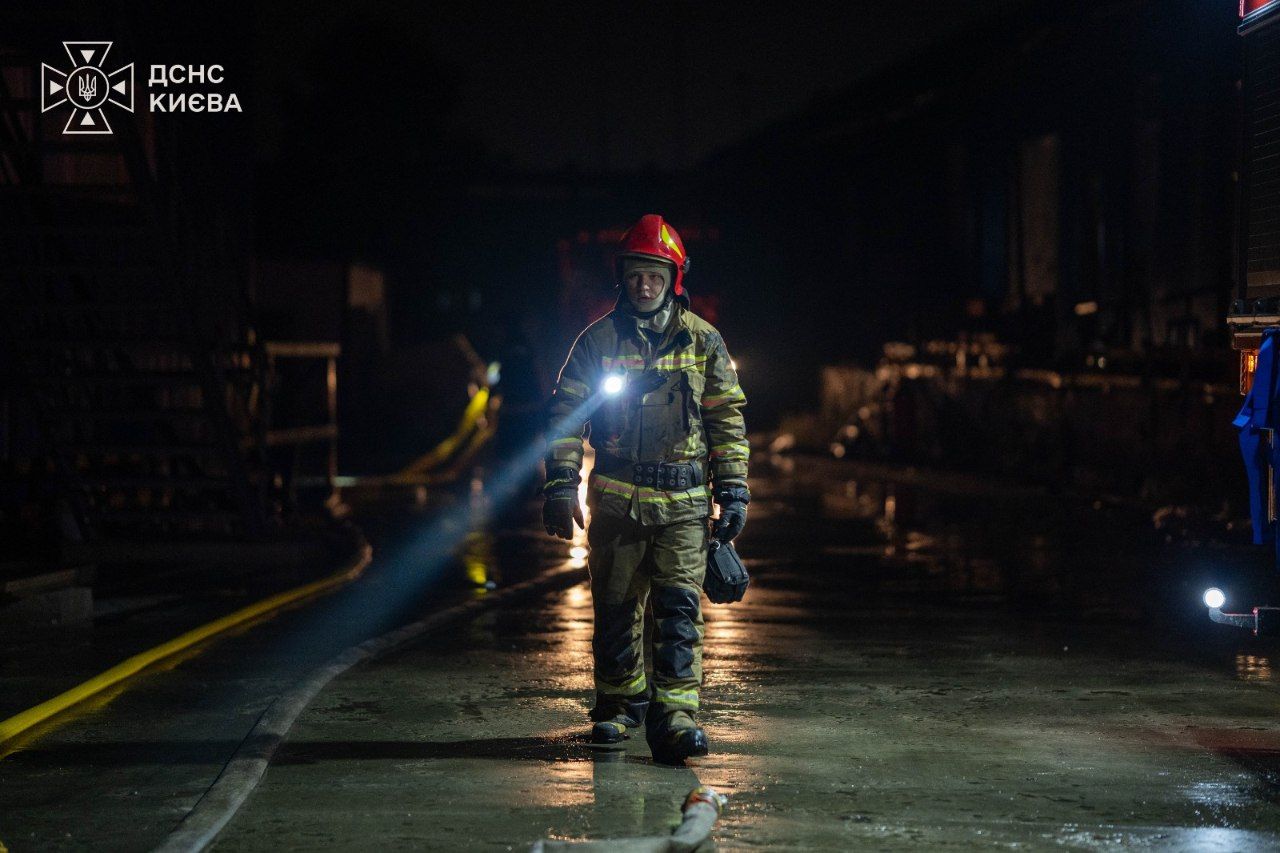
At least 12 people were injured in Russian attacks on Kyiv on Oct. 12, including a 17-year-old, according to the Kyiv City State Administration’s Health Department.
As of 10:15 p.m. local time, four people had been hospitalized in moderate condition, while eight others, including the teenager, received medical assistance at the scene.
The delayed air raid alert prompted speculation on Ukrainian social media about whether the lack of advance warning was connected to reported U.S. threats to withdraw intelligence-sharing support for Ukraine.
Ukraine receives intelligence from the United States to help detect and track Russian missile launches and other aerial threats.
The Kyiv Independent reported earlier on Oct. 12, citing two Ukrainian officials, that Washington had threatened to suspend intelligence sharing unless Kyiv stopped striking Russian energy infrastructure.
Foreign Minister Andriy Sybiha said that intelligence sharing between the U.S. and Ukraine was ongoing and had not been stopped, during a speech at the Warsaw Security Forum on Oct. 13.
“You probably ask if we receive intelligence from the American side. Yes, we continue this cooperation,” he said.
The Kyiv Independent has reached out to Ukrainian and U.S. officials for comment.
A Russian drone attack on a private residential building in the Darnytskyi district in the morning injured one woman, the city’s military administration said.