
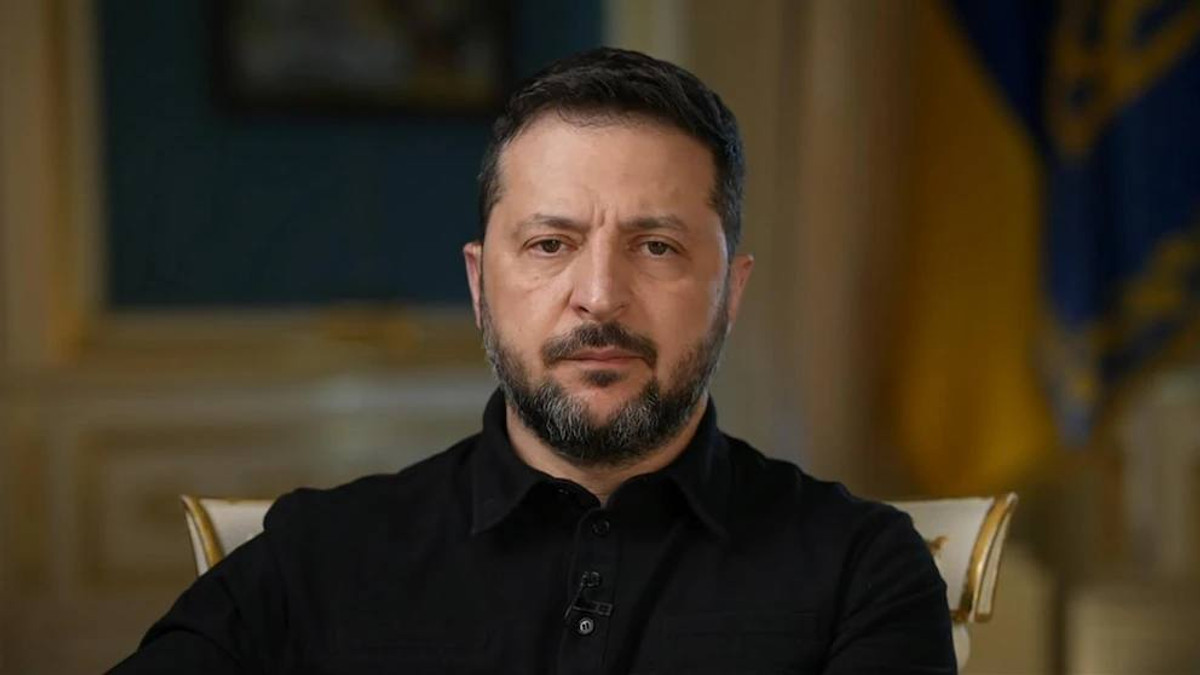
Ukrainian President Volodymyr Zelensky said Ukraine received no warning from its international partners before Russia launched five ballistic missiles at civilian infrastructure in Kyiv, calling advance intelligence on such attacks critical to saving lives.
“There was also a particularly cowardly ballistic missile strike on Kyiv – five missiles that hit civilian infrastructure. Unfortunately, there was no warning from our partners regarding this strike,” Zelensky wrote on Telegram on Tuesday, Oct. 13.
JOIN US ON TELEGRAM
Follow our coverage of the war on the @Kyivpost_official.
“Intelligence data on the launch of Russian ballistic missiles helps save lives, and this is one of the most critical issues. Having a warning about ballistic missiles is precisely what helps prevent killings,” he added.
Zelensky did not specify which partners Ukraine expected to provide the warning or explain why the information was not received.
Notably, Foreign Minister Andrii Sybiha said at the Warsaw Security Forum that Ukraine continues to receive intelligence from the US.
“You are likely asking whether we receive intelligence from the American side. Yes, we are continuing this cooperation,” he said Tuesday.
According to Sybiha, the air raid alert issued late on Monday, Oct. 12, was delayed due to the specific type of weaponry Russia used.
However, in his statement, Zelensky referred to a failure to receive a warning about only one attack on Kyiv.
Other Topics of Interest
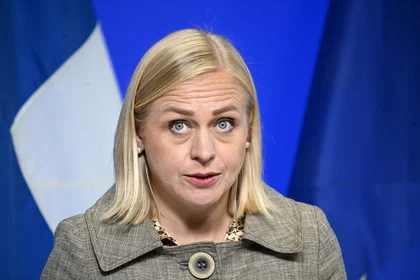
‘Not Right’: Finland Seeks EU Ban on Russian Tourist Visas
Helsinki says Russians should not enjoy European freedoms while their country continues bombing Ukrainian homes.
Meanwhile, the Financial Times (FT) previously reported, citing sources, that US officials had threatened to halt intelligence sharing with Ukraine if Kyiv continued to strike oil refineries inside Russia.
Russian attacks kill four in Kharkiv
Zelensky said Russian forces had attacked Ukraine with more than 100 weapons since Monday evening, including jet-powered drones, loitering munitions and ballistic missiles.
In Kharkiv, a Russian strike destroyed a residential building, killing four people. Rescue workers searched the rubble through much of the night, while 41 people were wounded in the city over the course of the evening, Zelensky said.
He added that a significant number of the incoming weapons had been intercepted, but not all.
Zelensky says Russia ignored energy ceasefire appeal
Zelensky also accused Russia of ignoring US President Donald Trump’s call for a ceasefire covering energy facilities.
He said Ukraine had refrained from striking Russian oil-refining and energy infrastructure for two days after Trump’s announcement, but Russian forces continued attacking Ukrainian energy and critical infrastructure.
Over the same two-day period, 19 Ukrainian regions came under attack, Zelensky said.
“Ukraine is ready for reciprocal de-escalation steps, and effective pressure on Russia is needed to bring about that de-escalation,” he wrote.
Zelensky argued that international pressure was necessary to bring the war closer to an end, warning that support for Russia, delays in aid to Ukraine and obstacles to defending against ballistic missiles undermined efforts to achieve peace.
He called for continued support from the United States, Europe and other partners.
US intelligence and weapons cuts could weaken Ukraine’s defenses
In an explainer published on Monday, the Kyiv Post reported that, according to the FT, Reuters, and Axios, US officials had reportedly threatened to suspend arms deliveries and intelligence sharing with Ukraine if Kyiv continued striking Russian oil refineries.
The warnings were allegedly delivered during talks between US and Ukrainian delegations in Miami, as well as in calls involving Ukrainian and European officials.
Such a move could significantly weaken Ukraine’s defense capabilities, particularly by limiting early warnings of Russian ballistic missile launches and access to intelligence on Russian military movements, weapons systems, and targets.
A cutoff of US arms supplies could also affect Ukraine’s ability to operate Patriot air defense systems, F-16 fighter jets, HIMARS launchers, and other American-made equipment that relies on US ammunition, spare parts, or technical support.
However, Ukraine has alternative sources of intelligence and military assistance. Its own intelligence services and electronic surveillance networks, alongside support from European partners such as France, the UK, and Nordic and Baltic states, help monitor Russian military activity. Commercial satellite imagery also helps fill potential gaps in US intelligence.
Ukraine has also expanded domestic arms production, particularly of drones and interceptor drones, while European partners have strengthened its air defenses with systems such as Germany’s IRIS-T and Gepard.
Nevertheless, replacing US capabilities would be particularly difficult in two areas: early warning of Russian ballistic missile launches and the supply of Patriot interceptors, which remain critical to protecting Ukrainian cities from such attacks.