
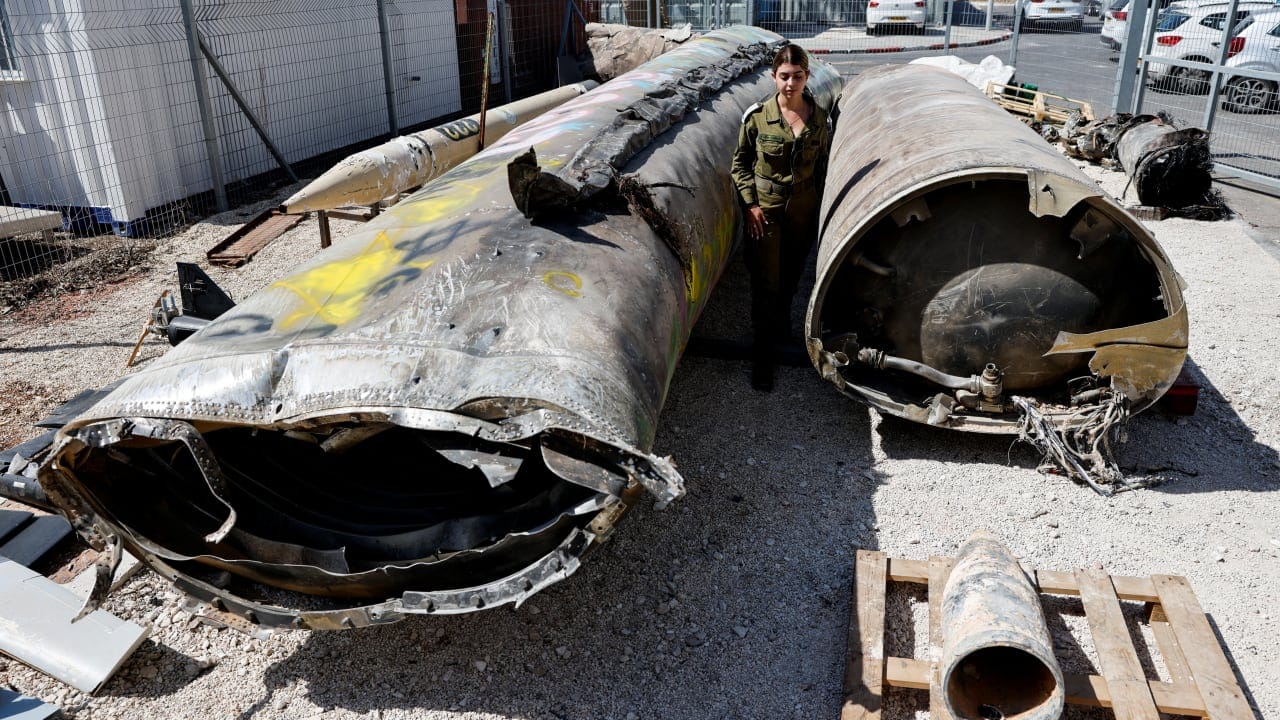
Yemen’s Iran-backed Houthis are developing their own version of Iran’s Kheibar Shekan precision-guided missile using parts imported from Chinese companies, according to a Tuesday Wall Street Journal report citing new data from UK-based independent monitor Conflict Armament Research.
The missile would have a maximum range of approximately 1,200 miles, according to the WSJ. This would put all of Saudi Arabia and Israel in range.
The Houthis, a US-designated terrorist organization under a United Nations arms embargo that controls large parts of Yemen, have been fighting the Saudi-backed Yemeni government in a civil war since 2014.
The Yemen conflict has resumed as a spillover from the wider US-Iran war that began with the US-Israeli attack on the Islamic Republic on February 28. Iran, Saudi Arabia’s longtime regional rival, has offered to mediate between Saudi Arabia and the Houthis, its foreign minister Abbas Araghchi said on Sunday in statements reiterated by the ministry on Monday.
The Conflict Armament Research report was based on information from Yemeni authorities in July after officials interdicted two shipments in 2025, which included the missile equipment hidden among a range of other goods, according to the WSJ.
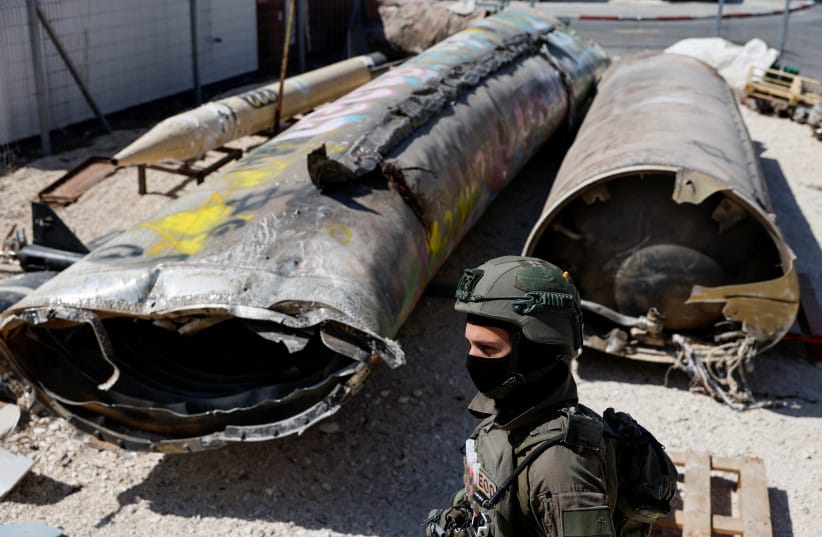 The remains of a Kheibar Shekan and a Emad ballistic missiles are displayed by Israel’s military in Julis army base, days after an attack by Iran on Israel, in southern Israel, October 9, 2024. (credit: AMIR COHEN/REUTERS)
“When you have imports like that, there is a possibility that they are already manufacturing or that they are trying and it doesn’t really work out,” Fabian Hinz, a senior analyst at Conflict Armament, told the Wall Street Journal, adding that because the Houthis weapons facilities are well camouflaged, it is unclear how far along missile production has proceeded.
China says it is respecting arms sales ban
China claims to be adhering to the UN arms embargo on the Houthis, per the WSJ. However, the report noted that while some of the Houthi-imported materials could have civilian uses, some were parts specifically designed for missile production.
The imported parts include custom-made metal missile components, including parts of the motor and of the airframe, the missile’s basic structure, the Wall Street Journal noted, adding that Yemeni authorities also found fins which stabilize the missile in flight and parts of a solid-propellant rocket motor of a Kheibar Shekan-series missile.
Yemeni authorities also seized tools, testing equipment, and raw materials, including the ablative material which protects sections of the missile from the intense heat produced by a ballistic missile, the WSJ added.
Why are Iranian Kheibar Shekan missiles particularly advantageous?
Iran has been using Kheibar Shekan missiles, cheap, mobile, and accurate missiles, which have a range of at least 1,400 kilometers in their strikes against US assets across the Middle East, the Wall Street Journal cited US officials as saying in July.
The solid-fuel, medium-range Kheibar Shekan missiles differ from older Iranian missiles that require prelaunch fueling, a lengthy process which the Kheibar Shekan can bypass by being kept fueled and are capable of being loaded quickly into trucks or other vehicles for launching, making it easier to evade US and Israeli warplanes seeking to knock out Iranian missile launch sites, military experts told WSJ at the time.
Danya Saperstein and Reuters contributed to this report.