
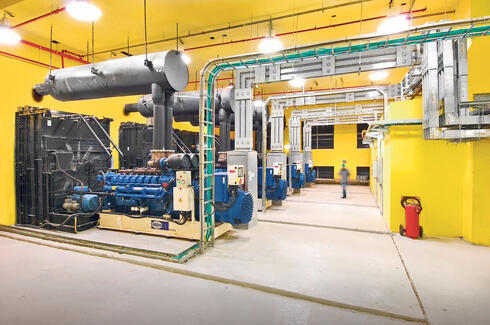
The Electricity Authority is moving to curb the construction of large data centers by limiting the maximum capacity of any new facility to 200 megawatts, Calcalist has learned. According to sources familiar with the matter within the Electricity Authority’s plenum, a draft decision regulating data center connections to the electricity grid is expected to be released for public comment on Sunday. Meanwhile, estimates suggest that data centers could account for approximately 20% of Israel’s total electricity consumption by 2030.
A data center’s power capacity determines how much computing it can support, including the training and operation of artificial intelligence models. Its electricity demand is driven by processors and the extensive cooling systems needed to keep them running. While a 200-megawatt facility would be large by Israeli standards, Noga, Israel’s independent electricity system operator, has already received connection requests for 50 facilities with higher capacities.
1 View gallery
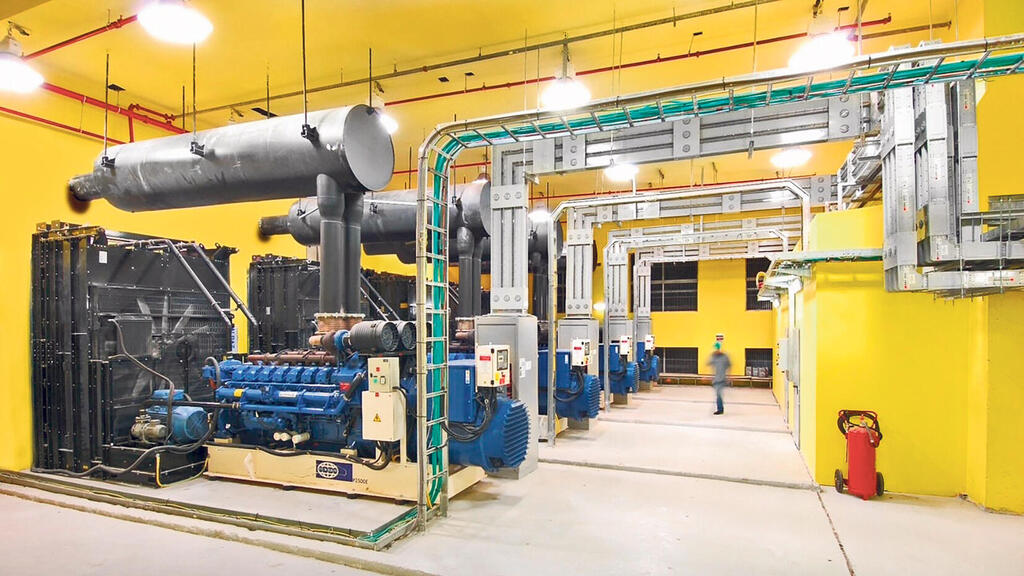
For example, Mega DC, owned by Zahi Nahmias, is seeking to build a 1,100-megawatt facility on the site in Hadera where the Alliance tire factory operated until 2024. SDS, a company controlled by Yossi Schonfeld, has requested approval for an 875-megawatt facility in Nesher. Under the proposed rules, projects of this scale would not be eligible for approval as currently planned.
According to officials familiar with the plenum’s deliberations, limiting individual facilities to 200 megawatts would allow more data centers to be built while helping protect the electricity grid. A sudden failure at a large facility could disrupt grid frequency and potentially affect the stability of the electricity supply.
The global boom in demand for data centers supporting AI models has prompted Israeli entrepreneurs to race to establish facilities and submit connection requests to Noga. But the scale of the applications has raised concerns about whether the country’s electricity infrastructure can accommodate them. The total requested capacity has reached 27,000 megawatts, compared with Israel’s installed electricity generation capacity of 18,800 megawatts.
Israel’s average electricity consumption is approximately 9,000 megawatts, while peak demand reached 17,300 megawatts in August 2025. The total capacity sought by data center developers therefore exceeds the country’s entire existing generation capacity, even before accounting for other electricity consumers.
Data centers also pose a particular challenge because they are designed to operate continuously. Unlike many factories or other large electricity consumers, they cannot easily suspend operations without disrupting the services they provide. Their customers, including major technology companies such as Google, Microsoft and OpenAI, expect reliable, uninterrupted computing capacity. This creates a large and relatively inflexible source of electricity demand that requires long-term planning.
Last June, the Electricity Authority temporarily halted the processing of new data center applications for 140 days while conducting an internal review ahead of the regulatory decision. The draft is expected to be released for public comment, followed by a three-week consultation period. The authority’s plenum will then consider objections before publishing the final framework.
Notably, the draft does not appear to impose geographic restrictions on data centers. Developers could therefore apply to build facilities in areas with high existing electricity demand as well as in more remote regions. Noga is likely to find it easier to approve projects in outlying areas, where connecting a new facility may have less impact on other consumers and the existing grid.
The framework is also expected to address whether data centers should be allowed to connect directly to power plants, bypassing the Israel Electric Corporation’s grid. Such an arrangement could be rejected out of concern that generation capacity intended to serve the wider public would instead be allocated to a single customer.
Another issue is whether data centers could be required to disconnect from the grid at short notice. A senior executive at a data center developer said such a requirement would be a deal-breaker. The cost of installing backup generators or energy storage systems capable of supporting a 200-megawatt facility, he said, could make the project economically unviable.
The executive nevertheless described the proposed 200-megawatt ceiling as reasonable. “Currently, there are no data centers of this scale in Israel, and given the electricity generation capacity, establishing massive facilities here is not feasible,” he said. “Even in the U.S., data centers are hitting a wall. Demand is enormous, but you can’t just build a 1,000-megawatt facility anywhere; there are power constraints. Furthermore, you can’t buy unlimited quantities of GPUs.”
The difficulties of building data centers in the U.S. and Europe could make Israel an attractive destination for technology companies. Electricity prices in Israel are lower than in the U.S., potentially making operations more cost-effective for data center developers.
The senior executive cited other advantages, including Israel’s technology sector and its experience building hardened data centers. “Israel is a technological powerhouse, a ‘Startup Nation.’ All the major players are here. Furthermore, Israel possesses expertise in constructing hardened data centers,” he said. Following recent attacks on data centers in Abu Dhabi and Russia, he added, it has become increasingly clear that such facilities are strategic assets.
The expected expansion of data centers would add to Israel’s growing electricity needs, potentially requiring more generation capacity and greater natural gas consumption. It could also increase air pollution and greenhouse gas emissions, depending on the energy sources used to meet the additional demand.
Dr. Moshe Kelner of Noga has projected that electricity consumption will grow by 3.5% over the coming decades, with growth accelerating to 5.2% in the near term. By comparison, the Dayan Committee, which reviewed Israel’s natural gas export policy, estimated annual electricity demand growth of no more than 3.2%. However, the committee did not extensively examine the potential impact of rising electricity consumption from data centers.
A third forecast was published Wednesday by the Forum of Private Electricity Producers, an industry group with a stake in the debate. It projected annual electricity demand growth of 4.2%, above the government estimates, and said Israel’s electricity consumption could double within 15 years.
The forum estimates that data centers will consume 7 billion kilowatt-hours annually by 2030, equivalent to a total capacity of 2,100 megawatts, according to its projections. Electricity consumption for transportation is also expected to rise sharply, from approximately 1.5 billion kilowatt-hours in 2025 to around 5 billion in 2030.
The Electricity Authority did not respond to a request for comment.