
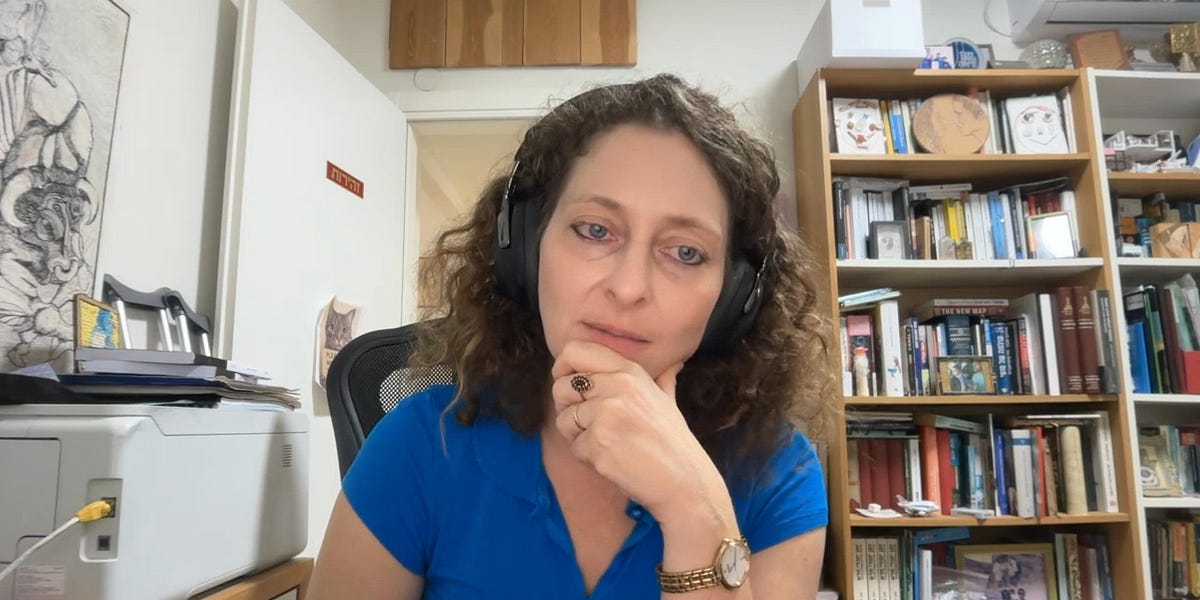
To long-term readers and listeners of Israel from the Inside, Professor Netta Barak-Corren is by now well known. During the height of the judicial reform debates, we hosted voices from across the political spectrum. But whenever we wanted a balanced, non-partisan, and deeply informed perspective on what was broken in Israel’s judicial system, what made the proposed changes problematic, and what a more moderate fix might look like, we turned to Professor Barak-Corren.
One of the most admired faculty members among Hebrew University Law students, Professor Barak-Corren is also an internationally recognized scholar who has taught around the globe.
Today, she brings her expertise to bear on Israel’s “electoral threshold”—a topic we have touched on here in recent weeks. Why does the threshold exist? Why did a previous government vote to raise it so dramatically? And did that reform actually work as intended?
Had the threshold been lower in 2022, it is quite possible that Benjamin Netanyahu would not be Prime Minister today (see my explanation here). Understanding this mechanism is critical for anyone interested in Israeli politics and in the country’s future—and there is no better guide to learn from than today’s guest.

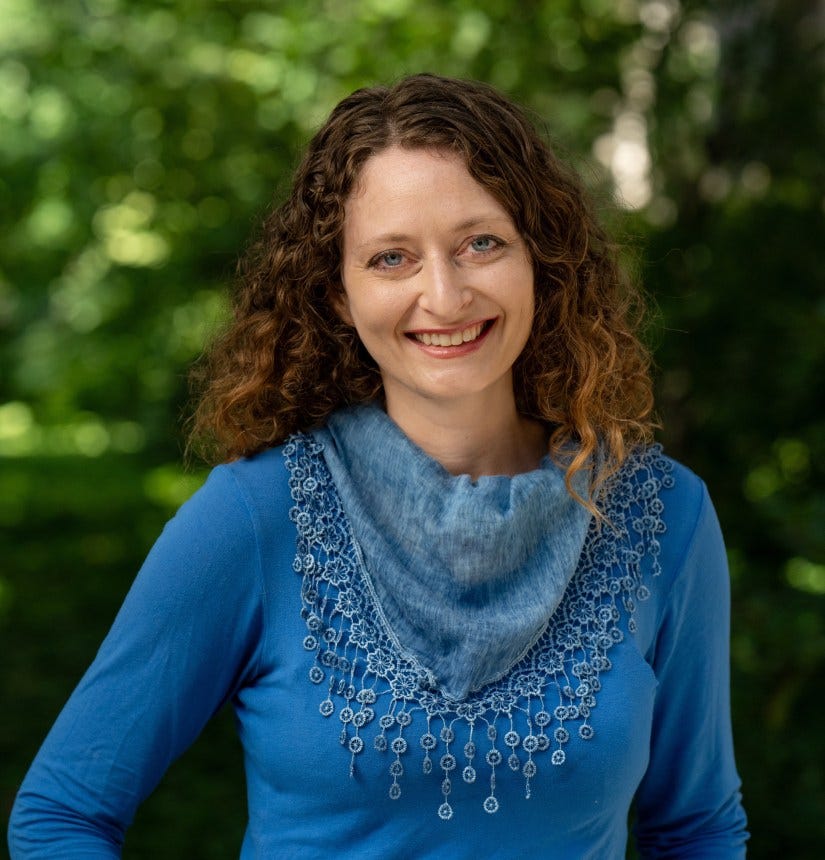
Prof. Netta Barak-Corren is a legal scholar and cognitive scientist specializing in the empirical and behavioral analysis of constitutional, public, and international law, and the relationship between law and society. She holds the Haim H. Cohn Chair in Human Rights and is a full professor at the Hebrew University of Jerusalem’s Faculty of Law, where she leads an ERC Starting Grant developing an empirical approach to constitutional law. She is the inaugural ERC Ambassador to Israel, a member of the Israel Young Academy, and a Nootbaar Religious Freedom Fellow at Pepperdine University School of Law. She has previously held teaching and research positions at the University of Chicago, the University of Pennsylvania, Harvard, and Princeton, and will be a visiting professor at Yale Law School in spring 2027. She earned her degrees in law and cognitive science from the Hebrew University and received her doctorate from Harvard Law School in 2016.
To visit Netta Barak-Corren’s website, click here.
Professor Barak-Corren has kindly made her paper on the subject accessible to the IFTI communitiy. The paper is in Hebrew, but (a) you can easily copy portions and get AI translations, and (b) many of the charts are understandable without a great deal of Hebrew. Her paper can be viewed here.

The link at the top of this posting will take free subscribers to an excerpted portion of today’s conversation.
For paid subscribers, the link at the top will take you to the full conversation; below, paid subscribers will also find a transcript for those who prefer to read, as always.