
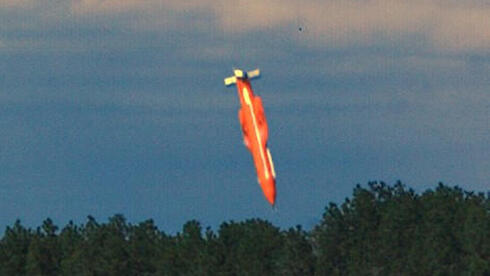
The U.S. military has developed new plans for possible strikes on Iran that include using the so-called “mother of all bombs” against infrastructure and nuclear sites if President Donald Trump orders attacks to resume, either before or after the U.S. midterm elections, CNN reported, citing American officials familiar with the matter.
Deploying the GBU-43/B, the largest non-nuclear bomb in the U.S. arsenal, for the first time in the conflict with Iran would mark a significant escalation.
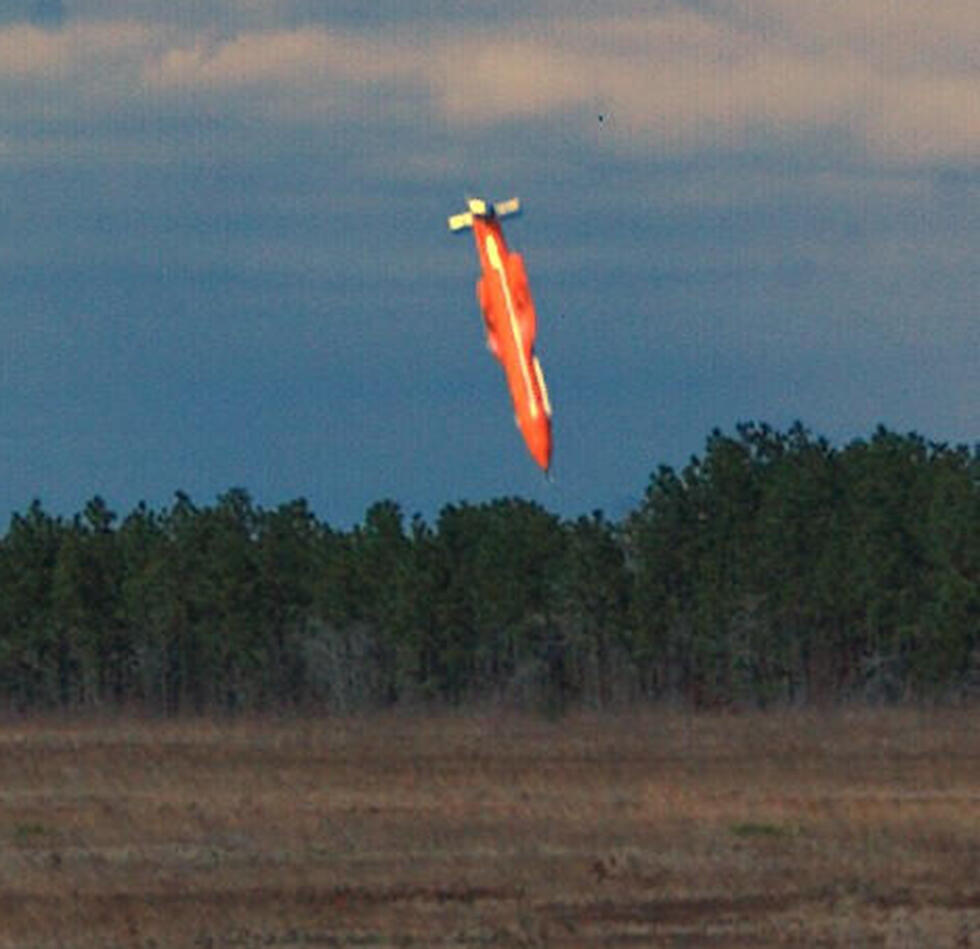
However, sources familiar with internal U.S. military discussions told CNN that doubts remain over whether the weapon could achieve Trump’s stated strategic objectives or significantly alter the course of the war.
One source told CNN that Trump had ordered the military to develop additional strike packages against Iran, including “numerous energy infrastructure targets” and the possible use of the MOAB. The source said the wording used was that the strikes would take place “before the U.S. withdrawal from the area of responsibility of U.S. Central Command (CENTCOM),” suggesting the administration could launch further attacks, seek to declare victory and rapidly withdraw all its forces.
Another source told CNN that military plans to strike Iranian nuclear sites, including Pickaxe Mountain, explicitly call for the use of the MOAB. Trump has repeatedly threatened in recent months to attack Pickaxe Mountain, where the United States and Israel believe Tehran has stored components of its nuclear program.
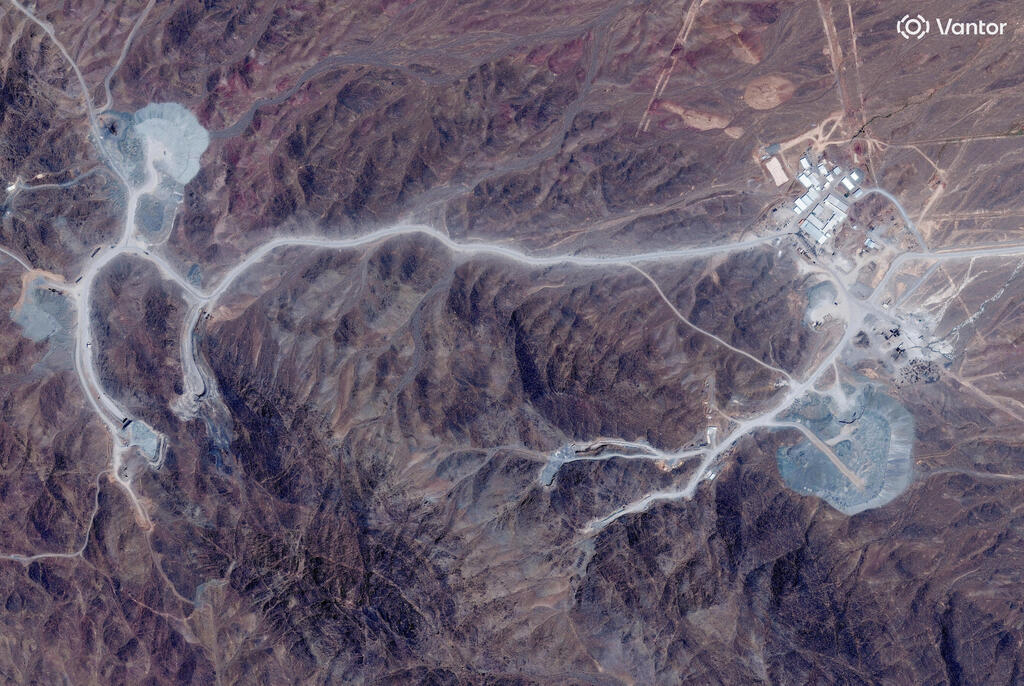
Pickaxe Mountain
(Photo: Vantor/Handout via REUTERS )
However, questions remain about the MOAB’s effectiveness against Iran’s nuclear facilities and other sites buried deep underground. The GPS-guided bomb can destroy an area equivalent to nine city blocks, but some officials believe it is unlikely to penetrate deeply enough to destroy suspected nuclear facilities at Pickaxe Mountain, which is believed to be protected by layers of granite, or other Iranian nuclear sites that remain intact.
The “mother of all bombs” has been used in combat only once, in Afghanistan in 2017. It was developed in the run-up to the Iraq War and first tested in 2003. Following its deployment against tunnels used by ISIS terrorists in Afghanistan nearly a decade ago, a U.S. military spokesman said the bomb contained approximately 11 tons of explosives. Because of its enormous size, it was dropped from the rear of a U.S. Air Force C-130 transport aircraft.
Production of GBU bombs began in the 1990s, with the weapons designed to strike surface targets rather than underground bunkers. They became increasingly common with the introduction of GPS guidance technology, which significantly improved their accuracy. Development of the GBU-43 began in 2002, and the bomb could only be carried by a C-130 Hercules aircraft. Once released from the plane, it is guided to its target by GPS.
First published: 07:23, 10.15.26