
In the months after the October 7 massacre, Jewish communities around the world responded with extraordinary generosity. Emergency funds were created almost overnight. Philanthropic foundations accelerated decisions that would normally take months.
Donors asked a simple question: What is needed now?
That response mattered enormously. It allowed organizations working in Israel’s border communities to act quickly, respond to changing needs, and build new initiatives in places facing evacuation, loss, and profound uncertainty.
Three years later, we are entering a very different stage.
The emergency is no longer new. Philanthropic institutions are understandably asking different questions. They are returning to strategic priorities, long-term planning, and more conventional funding cycles.
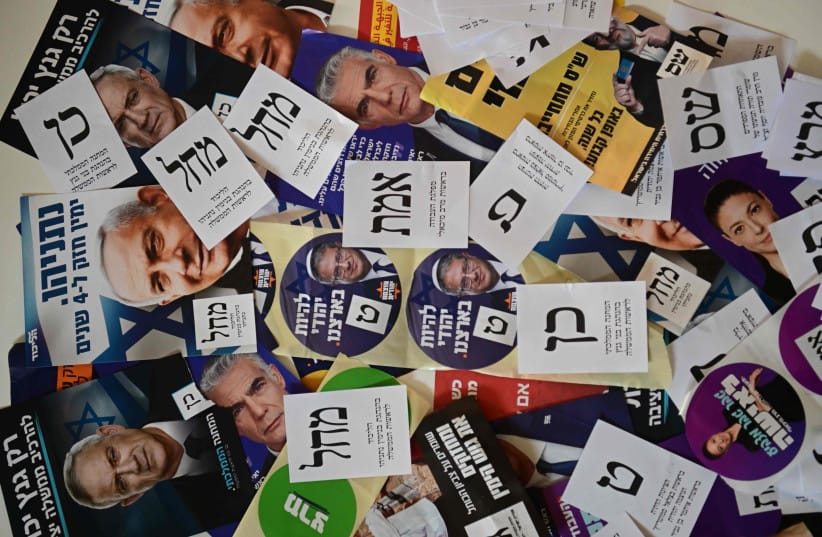 Israel’s election campaign is gathering pace, with the country’s political parties competing over the questions of security, leadership and the direction Israel takes after three years of war. (credit: AVSHALOM SASSONI/MAARIV)
At the same time, Israel is approaching an election period, creating uncertainty around government commitments that many organizations assumed would help carry emergency initiatives into the next stage.
The problem is that communities do not recover according to either philanthropic or political calendars.
Across Israel’s border regions, projects launched during the emergency are only now reaching the point at which they can become sustainable. The danger is that the bridge between emergency response and long-term recovery may disappear precisely when communities are ready to cross it.
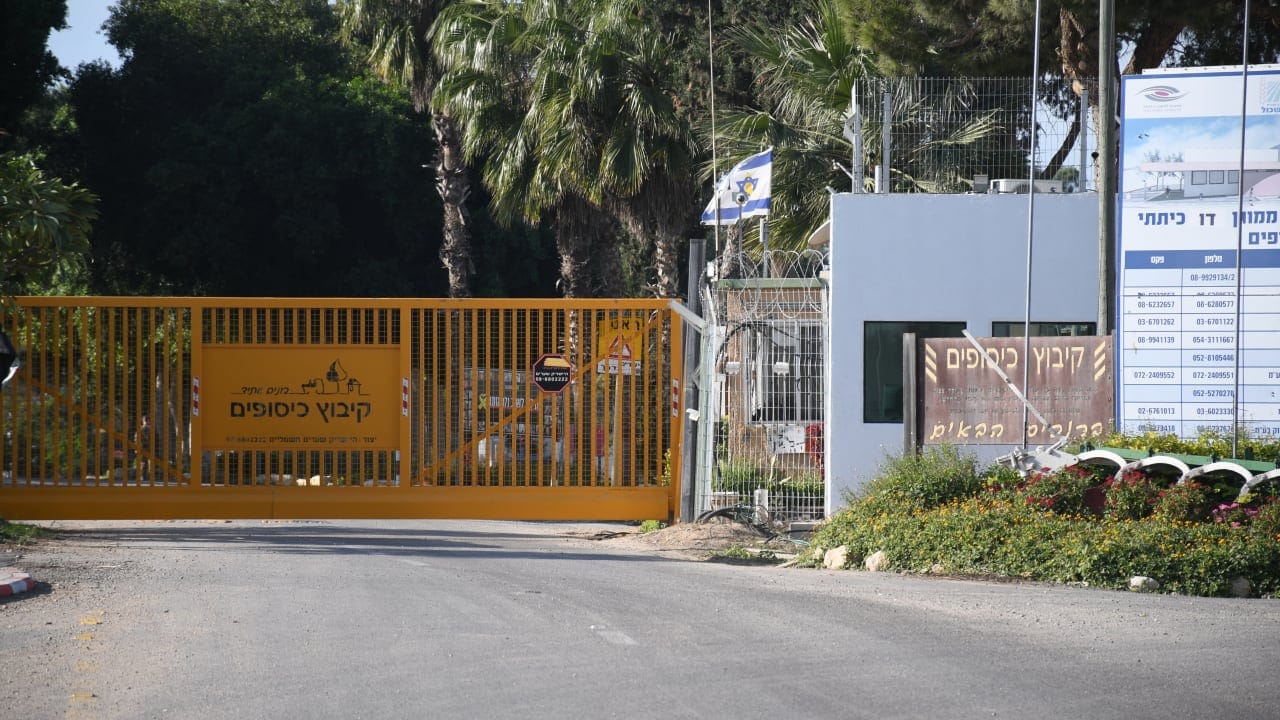
In one community along Israel’s border with Gaza, a compound is already waiting to become a new Kedma student village. The community has opened its doors. Students are ready to move in, become part of local life, and contribute to education and community rebuilding.
But the village has not opened.
Additional protective shelters are still required, and while we wait for the necessary arrangements, the emergency funding that allowed us to begin this process is running out.
On paper, this may look like a delayed project. In reality, much more is at stake.
Entering a community recovering from war takes time. An organization cannot simply arrive with a program. Local leaders and residents must first decide to trust it: to share what they need, to allow outsiders into a deeply disrupted community, and eventually to make room for a new group of young people within their daily lives.
That trust is built slowly.
The same dynamic can be seen elsewhere. In Menara, on the Lebanese border, where residents have endured evacuation and enormous destruction, rebuilding a student village is not simply about providing accommodation for young people. It is about helping restore a living community.
In Sufa and Urim, in the western Negev, programs bringing young adults and discharged soldiers to live, volunteer, and become part of local life similarly depend on relationships that cannot be created overnight.
These programs were born or expanded during an extraordinary period, when philanthropy understood that extraordinary measures were necessary. Government ministries also made commitments based on the assumption that the emergency phase would eventually be followed by sustained reconstruction.
But that handover is not automatic.
We need a transition period to sustain trust
An election year makes the problem more acute. Budgets can change. Priorities can shift. Decisions that appeared secure can be delayed or reconsidered. Organizations that expanded in response to national needs can suddenly find themselves caught between emergency philanthropic grants that are ending and government commitments that have not yet materialized.
The result is not primarily an organizational problem. It is a community problem.
If a program closes, staff positions can eventually be recreated. A new grant can finance new activities. But when an organization has spent months or years entering a traumatized community, listening to residents and earning their confidence, withdrawing has consequences that cannot be measured only in budget lines.
It tells a community that another partner has come and gone.
For communities that have already experienced evacuation, uncertainty, and the collapse of so many assumptions about their security and their future, that matters.
This is why the next phase of philanthropy in Israel should not be understood simply as a return from “emergency giving” to normal giving. The challenge now is to build a transition period between the two.
That does not mean every emergency initiative should continue indefinitely. Nor does it mean philanthropy should replace government responsibility. On the contrary: long-term recovery requires government, philanthropy, local authorities, and civil society to understand where each one’s responsibility begins and ends.
But transitions need time.
A responsible philanthropic strategy for the coming year should ask not only which new projects deserve support, but which successful emergency investments are currently standing at the edge of a funding gap. Which initiatives have already earned the communities’ trust? Which are waiting for government funding or infrastructure to catch up?
And where could one additional year of support make the difference between an emergency intervention that disappears and an institution that becomes locally sustainable?
The years since October 7 demonstrated the extraordinary capacity of Jewish philanthropy to respond quickly when Israel was in crisis. The next test may be less dramatic, but no less important: whether we can stay long enough for recovery to take root.
Because funding may return.
Trust is much harder to rebuild.
The writer is the president and founder of the Kedma pioneering social-Zionist organization.