
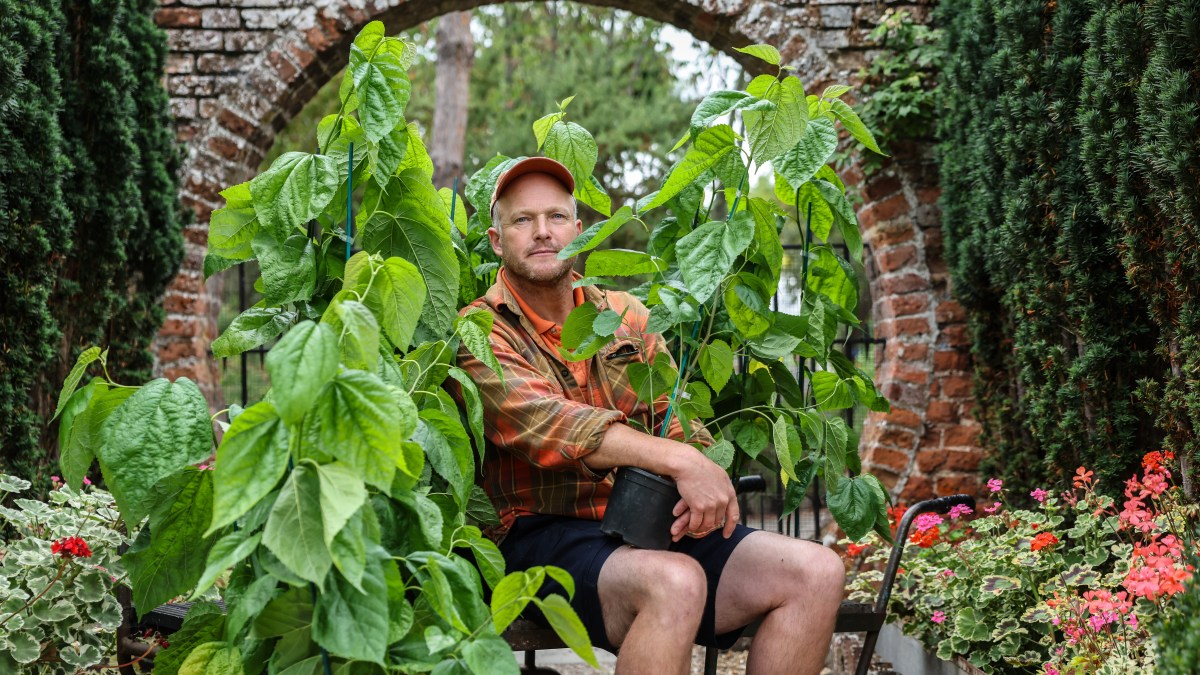
As the world watched the coronation of Queen Elizabeth II in Westminster Abbey in 1953, few knew that a crucial element of the ceremony had begun life in the Kent countryside. Beneath the coronation gown’s adornment of pearls, sequins, crystals and embroidered emblems was silk spun at a farm in Lullingstone.
Lady Hart Dyke, who established the farm in the 1930s, planted white mulberry trees (Morus alba) at Lullingstone Castle, their leaves providing food for hundreds of thousands of silkworms. The insects devoured more than 20 tons of leaves during their lives. Reeled and spun silk was then cultivated in the castle grounds, each cocoon producing about a quarter of a mile of silk thread.
That mulberry silk, renowned for its quality, featured in almost every major royal occasion of the 20th century, from the coronation robes of the Queen Mother in 1937 to the wedding gowns of Elizabeth II and Princess Diana.
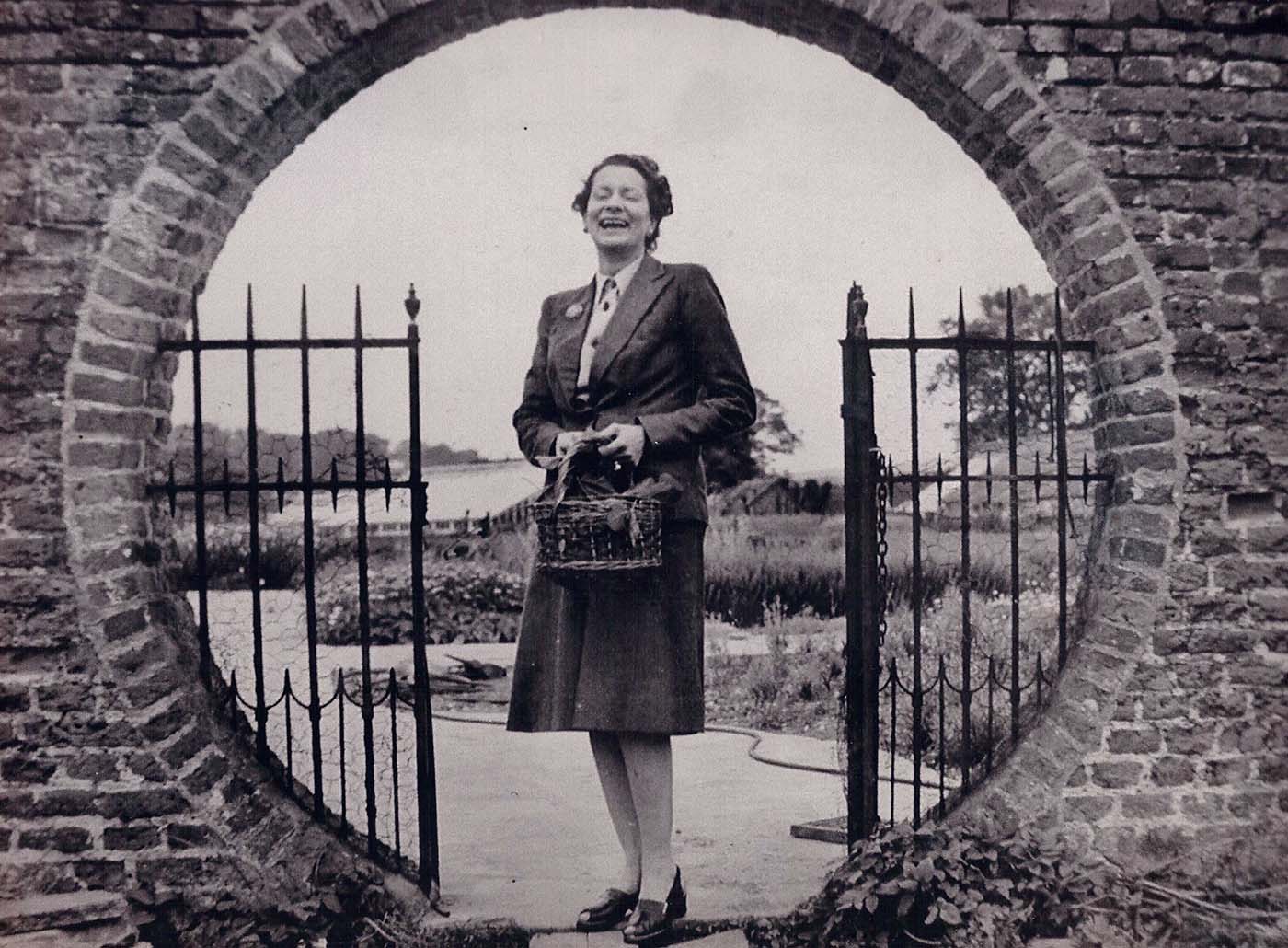
Lady Hart Dyke at Lullingstone’s moon gate — now the entrance to her grandson’s world garden
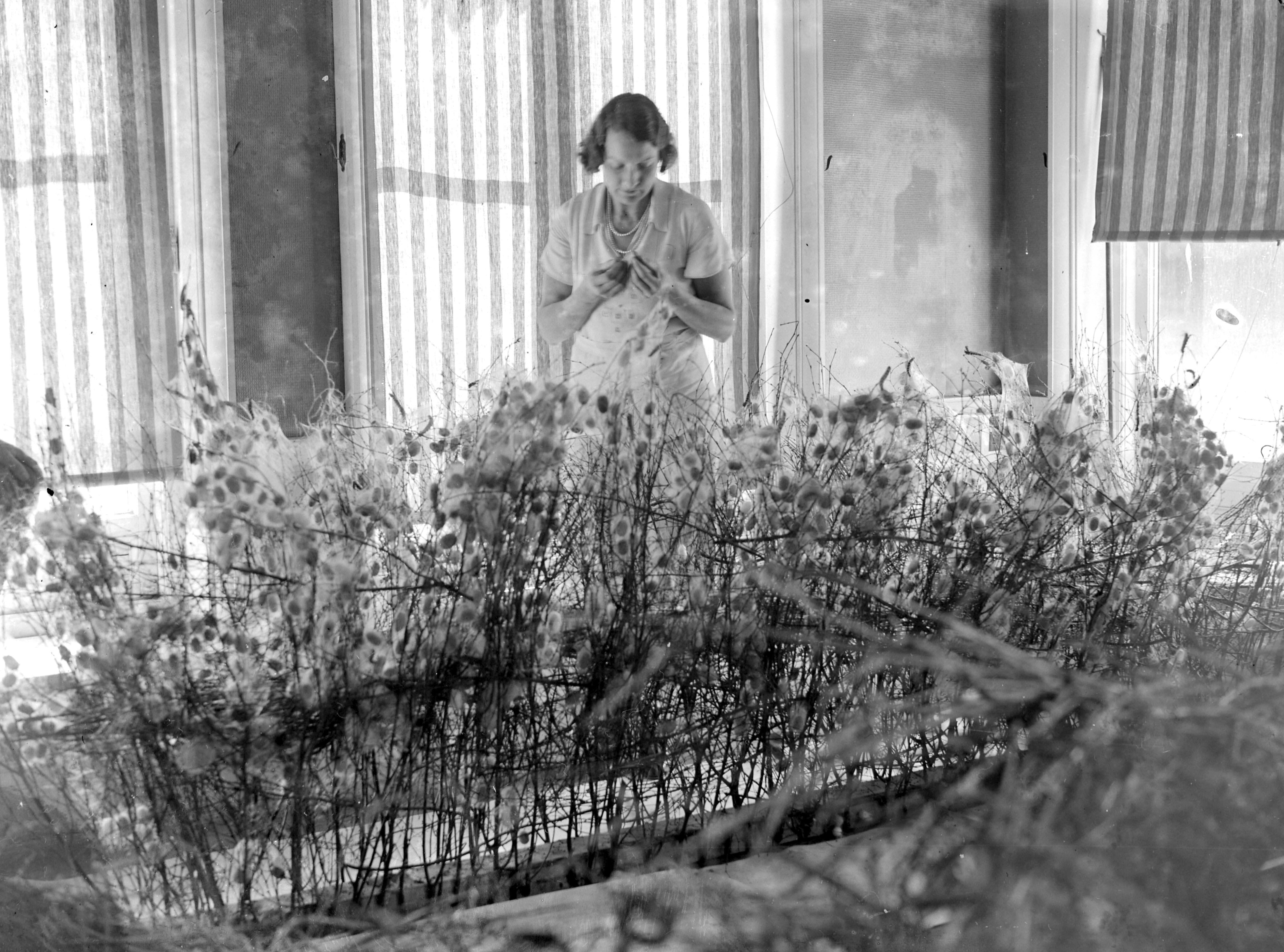
Lady Hart Dyke in 1934. The castle’s rooms housed a quarter of a million silkworms
ALAMY

A silk farm worker reels thread from cocoons floating in hot water
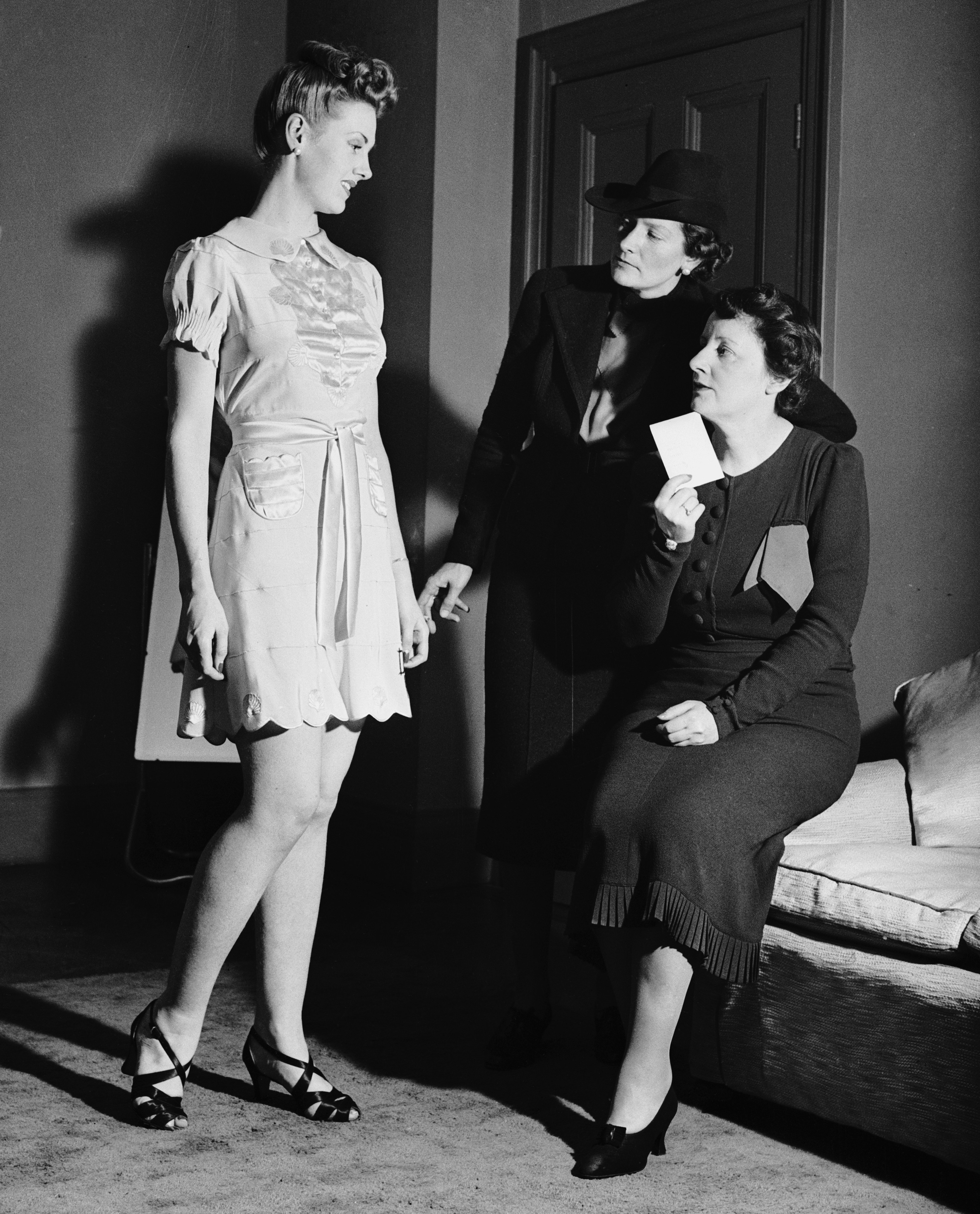
Lady Hart-Dyke, centre, inspects a camisole made of silk from her farm. The garment was to be shown at the 1938 Woman’s Fair at Olympia, London
M MCNEILL/FOX PHOTOS/HULTON ARCHIVE/GETTY IMAGES
Lady Hart Dyke moved the farm to Hertfordshire in the 1950s when she and her husband divorced. After her death in 1975 it was moved to Dorset but closed in 2011.
Now, the legacy is stirring again. Tom Hart Dyke, Lady Hart Dyke’s grandson and the 20th generation of his family to live at Lullingstone Castle, has successfully propagated the same mulberry trees she once grew — coinciding with the 20th anniversary of his world garden, in the castle grounds, which showcases his collection of plants from around the globe.
“My granny was one of the biggest silk producers, just a one lady band with a few volunteers,” he said. “She had all sorts of royal commissions over the years. She had thousands of these white mulberries and a quarter of a million silkworms in the house, day and night, munching on the leaves.
“Doing it in the 1930s on her own was incredible. She died a few months before I was born, so it’s amazing to have such a connection with a person I’ve never met. I wish I could go back in time to meet her. My mum says I would have been her kindred spirit.”
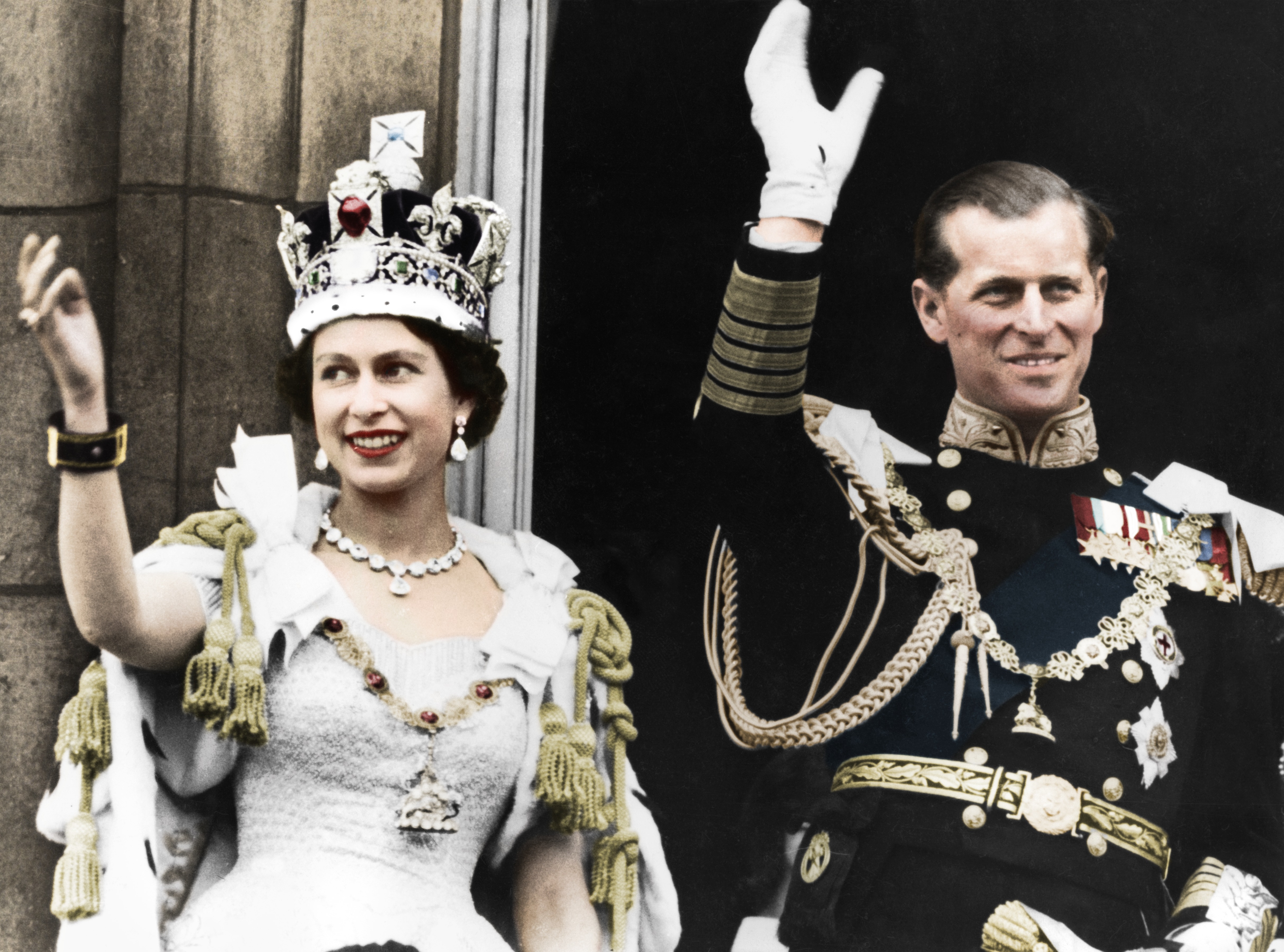
Queen Elizabeth II and the Duke of Edinburgh on the day of her coronation in 1953. Her gown was made from Lullingstone silk
GETTY

Hart Dyke said he took possession of five small white mulberry plants in 2004 from Sherborne, Dorset, before the creation of the world garden. He took cuttings, rooting them in a hydroponic system under lights over the winter before potting them.
Debs Ednie, Hart Dyke’s nursery manager, said: “These were original plants from Princess Diana’s wedding dress days. They were also plants from the lineage of Lullingstone’s original silk farm grown by Tom’s paternal grandmother. “They grew in the Chinese section of the world garden, then we started experimenting with taking cuttings over the last couple of years. The ones we have today were taken as cuttings eight months ago.”

So was Princess Diana’s dress for her wedding to Prince Charles in July 1981
Silk is no longer produced at the castle, but on Saturday, mulberry trees will be sold from Lullingstone for the first time in 93 years.
Hart Dyke said: “I’ll be crying when I see the first person buy one or express interest in one. It’s such an important moment for me. Although the silk farm isn’t here any more, having the living history through this variety of white mulberry is amazing. Now we really get to celebrate what granny achieved.”
Designed by Hart Dyke, the world garden tells the stories of Victorian plant hunters who risked their lives to bring back exotic specimens.
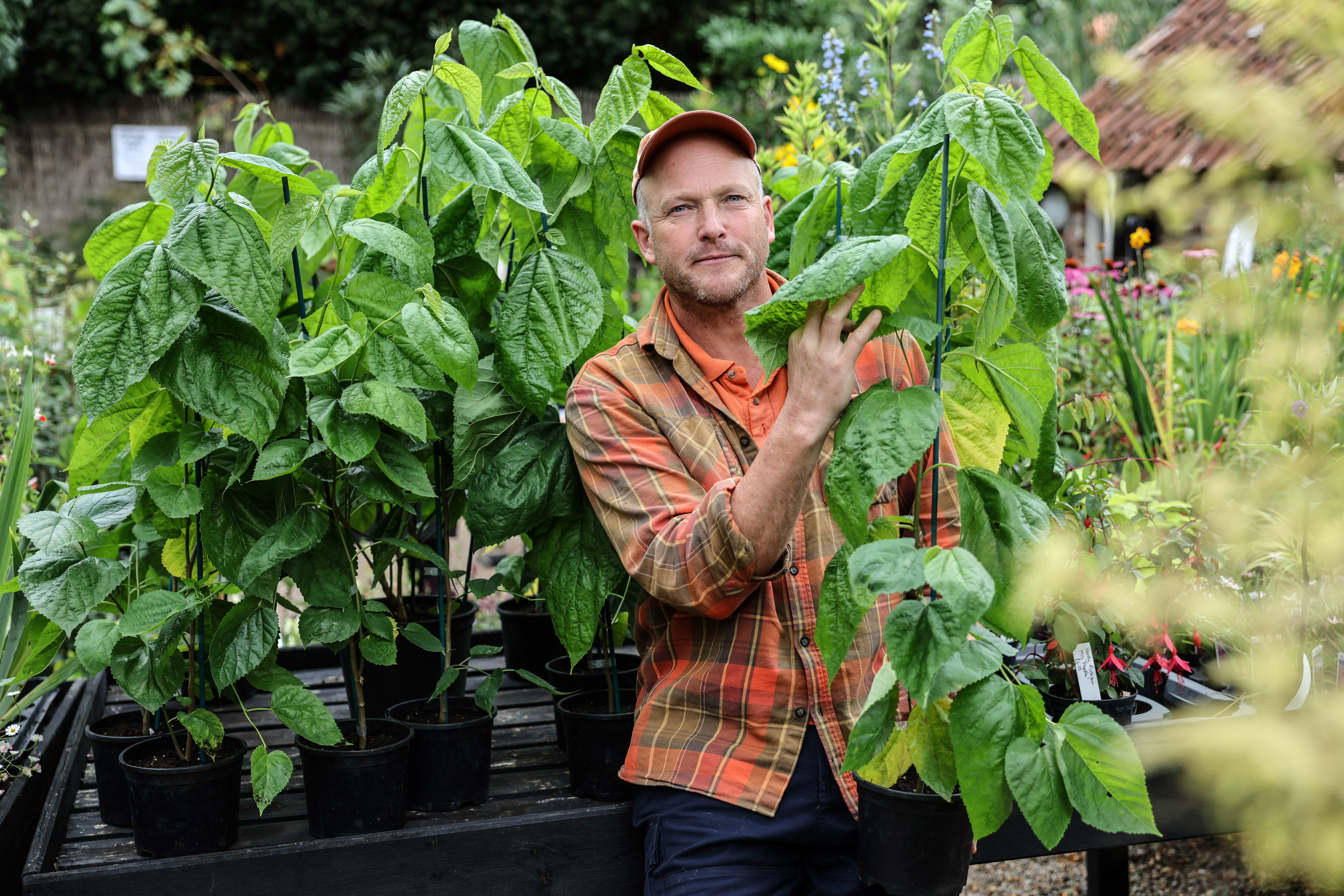
Twelve trees go on sale Saturday — a big moment for Hart Dyke
TIMES PHOTOGRAPHER RICHARD POHLE
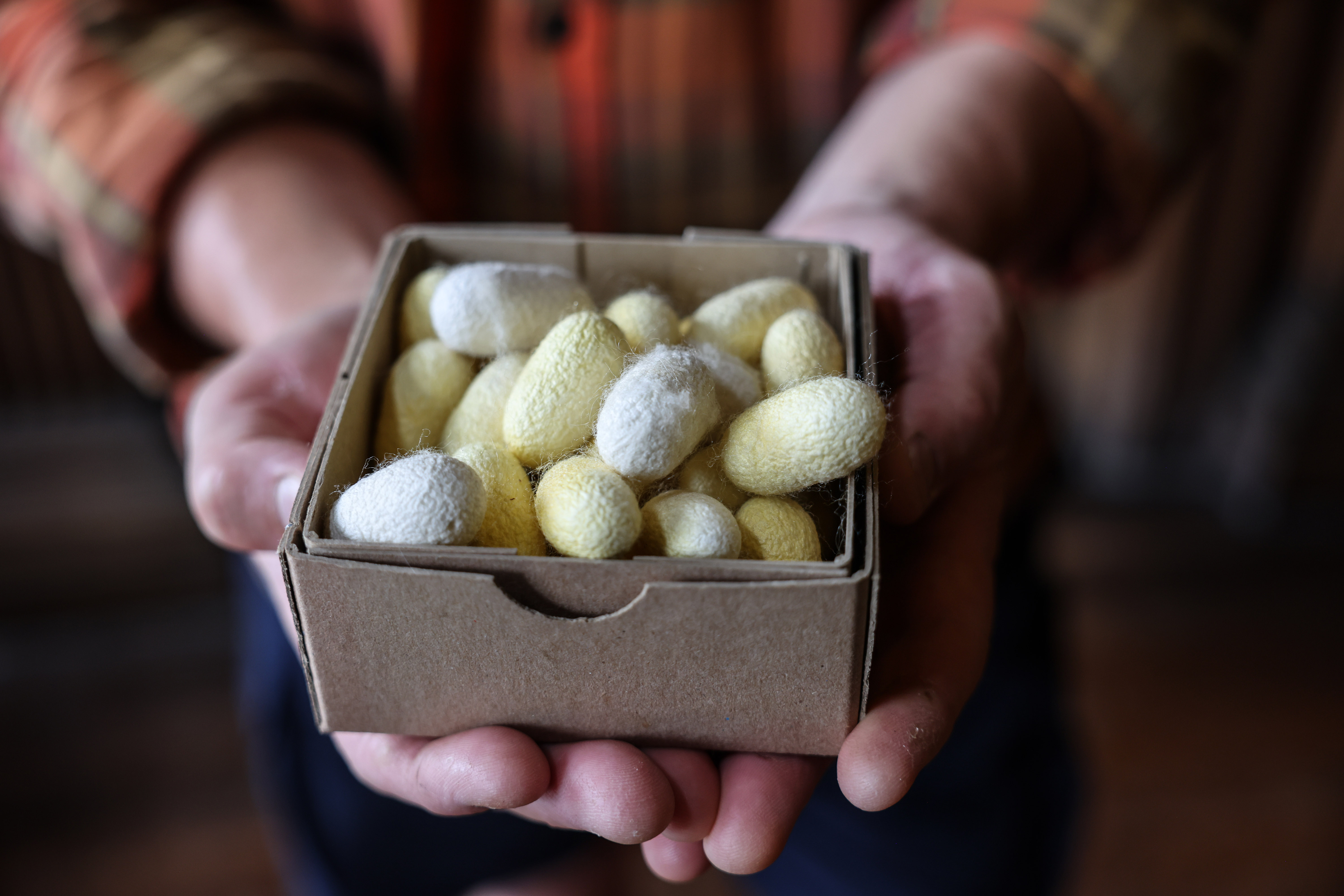
These silkworm cocoons are from the original fam at Lullngstone Castle
TIMES PHOTOGRAPHER RICHARD POHLE
Hart Dyke knows the danger first hand. In March 2000, he and fellow traveller Paul Winder were kidnapped while searching for rare orchids through the Darién Gap — a roadless area of rainforest along the international border between Colombia and Panama. Held hostage in the jungle for nine months, at one point they were told to prepare for execution.
Winder prayed. Hart Dyke sketched.
“We had been incarcerated in this palm hut that had been built for us and divided into two parts with leaves and twigs. We couldn’t see each other for around six weeks,” he said.
“I did what any gardener worth his salt would do and started sketching what turned into the garden here in Lullingstone. I didn’t think I’d survive. But it was a way of dealing with the situation. And [during] those six months that followed in captivity, it saved my life mentally.”
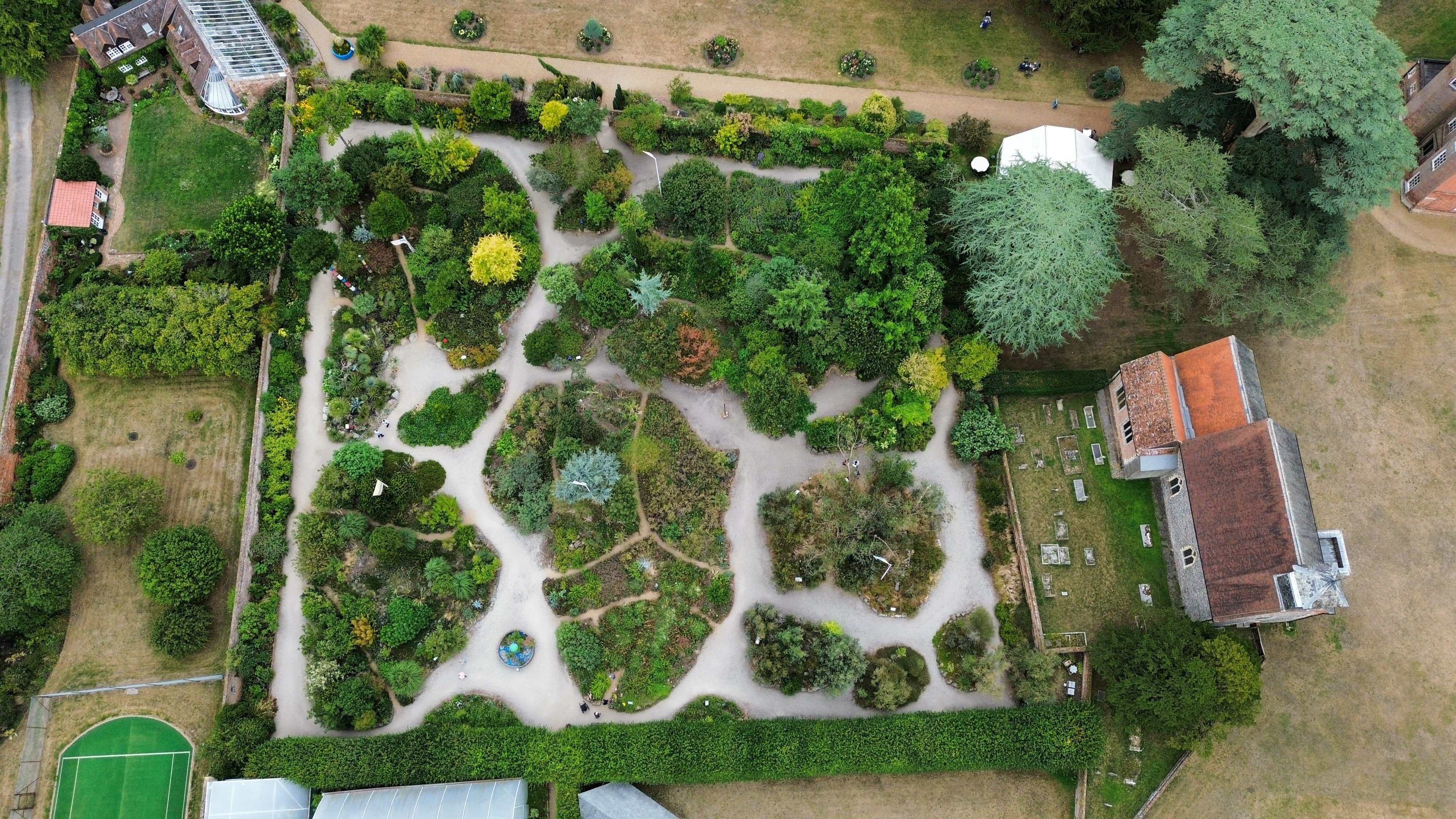
Hart Dyke dreamed up the World Garden while in captivity
TIMES PHOTOGRAPHER RICHARD POHLE
When the pair were released, he went home to Lullingstone.
Two decades on, the world garden is considered one of the most important botanical collections in the UK, home to rare species, many of which are now extinct in their native homes, including the “dinosaur tree” (Wollemi pine), the oldest tree in the world, and one of the world’s rarest gum trees, Eucalyptus morrisbyi.