
A phone call that Damascus will not confirm has become a talking point in Israel’s election campaign—and raised questions about whether two longtime enemies are inching toward better relations.
Israeli Prime Minister Benjamin Netanyahu says he spoke with Syrian President Ahmed al-Sharaa during deadly clashes in southern Syria in July 2025. He claims the brief, tense conversation helped stop the killings. But when Netanyahu revealed the call on October 15, during a campaign gathering with Druze voters, Syria offered a different account of the events.
Syrian political analyst Firas Allawi told The Media Line’s Rizik Alabi that such direct contact might reduce tensions, but “it does not necessarily mean that a peace agreement is close.”
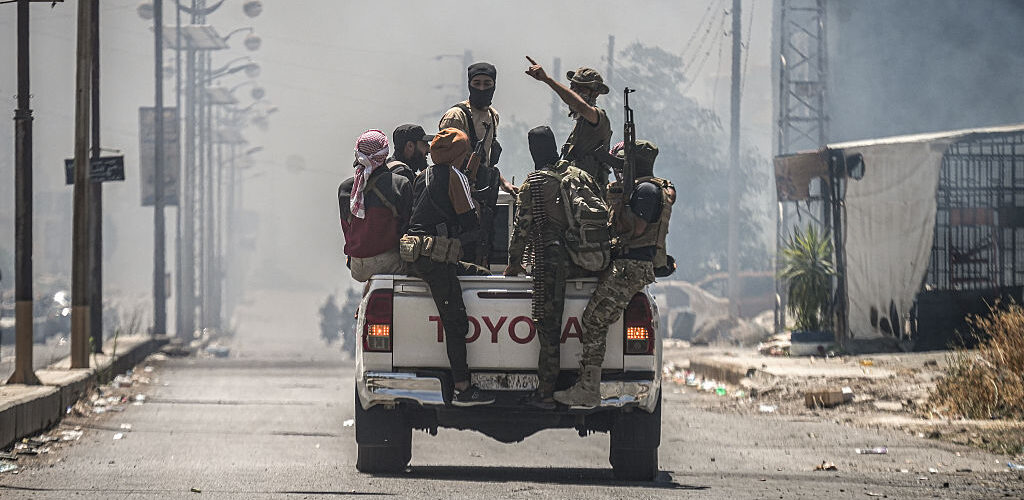
The violence began with fighting between Druze and Bedouin groups in As-Suwayda, drawing in Syrian government forces and tribal fighters. Israel bombed Syrian military targets, including sites in Damascus, saying it was protecting the Druze. Syria maintains that US mediation, rather than Netanyahu’s intervention, brought Israeli airstrikes to a halt. Damascus also accused Israel of arming an unauthorized group, an allegation not independently verified.
Diplomatic contacts have continued. In August, Israel’s Mossad chief reportedly spoke with Syria’s foreign minister, while US-mediated negotiations in Jordan explored possible security arrangements. Yet the two countries remain divided over territory and military deployments.
Damascus demands that Israel withdraw from areas entered after the fall of Bashar Assad’s government in December 2024 and return to the terms of the 1974 Disengagement Agreement. Israel insists its military presence is necessary to protect its northern border.
Retired Syrian military pilot Khaled Mansour argues that lasting progress requires enforceable security arrangements, not simply conversations between leaders. His assessment and Allawi’s observations give readers a closer look at the obstacles confronting negotiators.
Alabi also spoke with Bakhour Shmantoub, head of Syria’s small Jewish community, who offered a hopeful perspective. “The region is tired of wars, and peace is necessary,” Shmantoub said.
For now, Damascus has not publicly acknowledged Netanyahu’s reported call, and the two governments remain unable to agree on Israel’s military presence in southern Syria.