
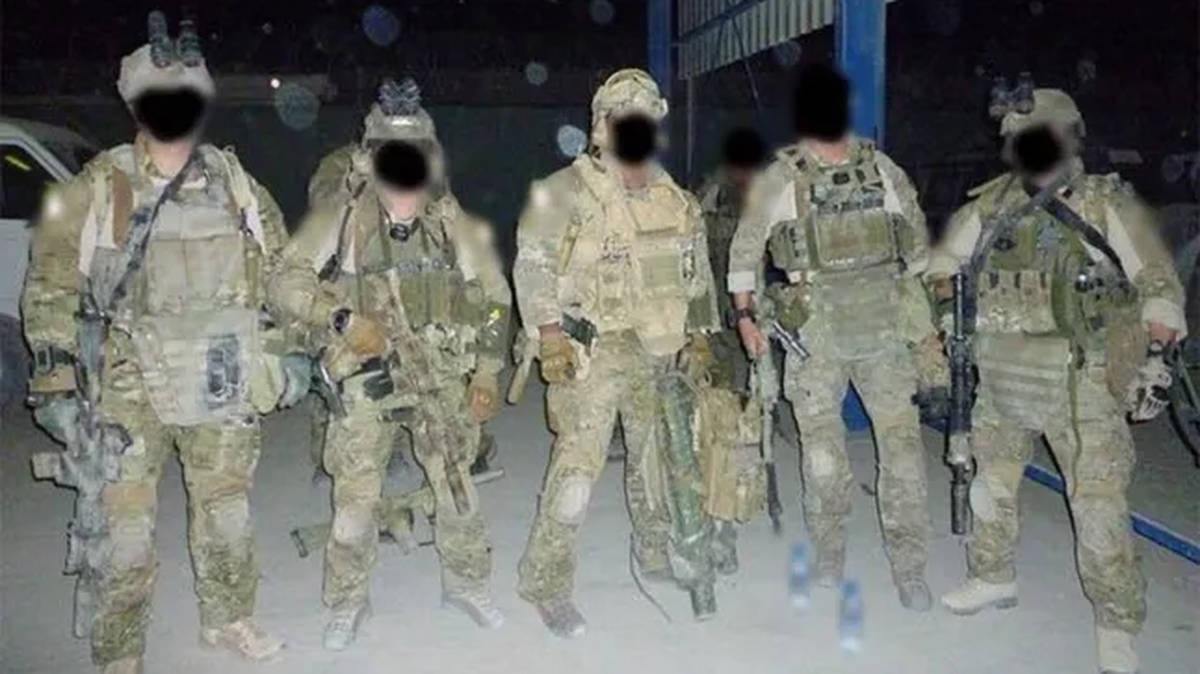
Britain is breaking its bond with SAS soldiers and ‘eroding the will to fight’, association warns.
Picture:
Supplied
The UK’s elite special forces association has warned that Britain is undermining its own national security by putting soldiers through years of legal turmoil after sending them to fight ISIS, eroding their will to fight and breaking the bond of trust between troops and the state.
In a statement to LBC, the SAS Association said soldiers’ lives, families and careers were being damaged by “incredibly serious issues” in the way they were treated, as details emerged of a three-year murder investigation into five members of the regiment.
The men were investigated over the deaths of two people during a raid in Syria in July 2022. Within 48 hours of being questioned by military police, they were sent back into action against ISIS, carrying out dangerous missions while facing the possibility of prosecution for murder.
Prosecutors decided last year that charges would not be brought. All five have since left the armed forces.
“The facts speak for themselves, and the situation is not acceptable,” the SAS Regimental Association told LBC.
“These are incredibly serious issues impacting our soldiers’ legal and human rights, mental well-being, their careers, morale, family life and chances of employment beyond the Army.
“In our view the situation also presents a threat to national security and operational readiness, as it erodes the will to fight and breaches the bond between soldier and State.”
The association said it was supporting those affected, including through legal action, and pressing ministers to change the way such cases are handled.
“As an Association, we are actively supporting the troops affected including by pursuing legal remedies alongside them or on their behalf. We are seeking policy change to prevent these types of scenarios occurring in the future, through active engagement with the Government.”
Its intervention follows a Sunday Times investigation into the operation and its aftermath, which reported that soldiers had their homes searched, were arrested while deployed overseas and then continued fighting while the investigation hung over them.
The mission took place on July 3, 2022, in Al-Zer, eastern Syria. The SAS team had been tasked with capturing a suspected ISIS cell leader believed to be involved in deadly attacks on allied Kurdish forces.
According to the accounts gathered in the investigation, the soldiers came under fire after leaving their vehicles. They subsequently pursued two people who, the troops said, repeatedly dropped into positions resembling a firing stance and refused demands to surrender.
Four soldiers opened fire, killing both. A fifth, the team leader, had authorised the pursuit.
The soldiers maintained that they believed their lives were in danger and had acted in self-defence. But no weapons were recovered from either body or the immediate area, a fact that became central to the military police investigation.
Kurdish forces initially identified one of those killed as the intended target. That identification was subsequently called into question when the suspected cell leader reportedly appeared in footage of another attack the following day.
Local accounts identified those killed as teenagers, with some describing them as civilians and others alleging links to ISIS.
An initial military review reportedly concluded that the soldiers had acted within the rules of engagement and that no further action was required. However, the case was referred to the Royal Military Police by the then director of special forces, Gwyn Jenkins, and a murder investigation followed.
The report said Jenkins maintained that his decision was guided by legal advice and the need for transparency.
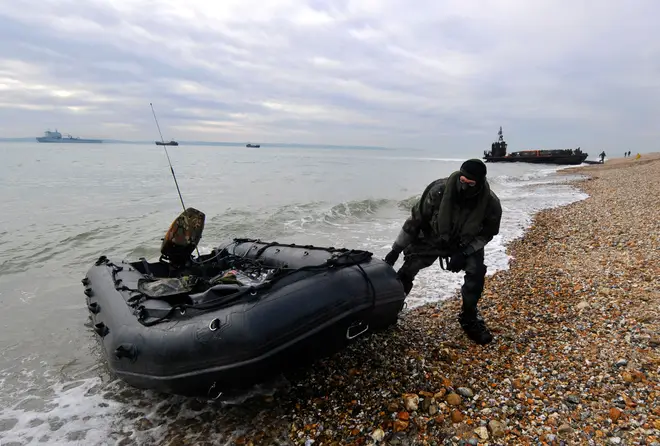
The UK Special Forces are made up of many units, including the Special Boat Service.
Picture:
Jack Sullivan/Alamy
For the soldiers, the consequences extended far beyond the battlefield. Arrests and searches took place in Britain and overseas, with complaints that the way some were conducted risked exposing the identities and home addresses of special forces personnel.
One search reportedly involved officers asking for a sleeping baby to be moved from a cot so they could check for evidence underneath it in case a serving SAS soldier had decided to hide evidence under his sleeping child. In another case, officers went to a soldier’s mother’s address before finding him at his sister’s home.
The men were subsequently brought back to Britain for questioning at Bulford in Wiltshire. After their interviews, they returned to the Middle East and resumed operations.
Within 48 hours, they were preparing to deploy from a military helicopter into enemy territory. Two operations that week reportedly resulted in the capture and extraction of ISIS suspects.
The same soldiers being investigated over whether they had unlawfully killed during one mission were being asked to make further life-or-death decisions on the next.
In September 2023, military police referred the case to the Service Prosecuting Authority, seeking murder charges against all five. It was not until May 30, 2025, that the men received written notification that charges would not be brought.
That decision came with a warning that the position could change if further evidence emerged, another allegation was made or a review was requested under the authority’s victims’ right to review policy.
The men were not acquitted at trial. According to the report, they were also left without an explicit explanation of whether their actions during the operation had been judged correct.
Accounts of the aftermath describe serious damage to mental health, relationships and family life, alongside difficulties rebuilding careers outside the military. One former soldier reportedly lost an overseas job opportunity after his visa was rejected because his details remained on a police database.
Several have submitted complaints about the conduct of the investigation, including whether their arrests were necessary.
The association’s warning comes just days after LBC reported a separate intervention by two of Britain’s most senior former Army commanders over the treatment of Northern Ireland veterans.
General Sir Peter Wall and General Sir Nick Parker accused the Government of failing to protect former soldiers from repeated investigations, warning that proposed changes to the Northern Ireland Troubles Bill would still leave veterans facing devastating legal proceedings.
“The likelihood of eventual prosecution is remote, but the personal consequences of the legal process that will inevitably follow from this Bill will be devastating,” they said. “The process itself is going to continue to be the punishment.”
Both stressed that they were not seeking immunity for anyone who had broken the law, and that bereaved families must be able to seek answers. Their demand was for a clear threshold of genuinely new and compelling evidence before previously investigated veterans could face renewed proceedings.
The SAS Regimental Association had previously told LBC that repeated legal action involving service in Northern Ireland, Iraq and Afghanistan had caused “significant moral injury”, with those affected believing “the contract between the Armed Forces and Government has been broken”.
Its latest statement extends that warning directly to Britain’s ability to fight, arguing that the damage reaches beyond individual cases to the confidence and readiness of those still serving.
Responding to the reporting on the Syria case, the Ministry of Defence said concerns about the handling of the investigation had been raised with the Defence Serious Crime Unit.
A spokesman said: “Our personnel are respected worldwide for their professionalism and dedication, and they make extraordinary sacrifices in defence of the nation.
“They are also entitled to expect that any investigation is conducted fairly and professionally and rightly there are procedures in place for people to report concerns.”