
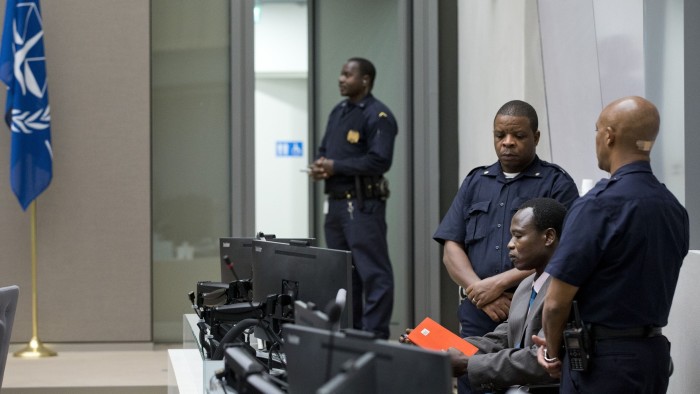
Simon Kuper believes that the International Criminal Court “matters less as a court than as a convener of a growing global movement against atrocity crimes” (“War crimes in real time”, Spectrum, Life & Arts, FT Weekend, July 26).
I would argue the ICC matters most as a court, at a time when its standing as an independent judicial institution is under attack, including by sanctions imposed by the US administration on six judges, the ICC prosecutor and two deputy prosecutors (following arrest warrants issued against Benjamin Netanyahu and his former defence minister and investigations into the situation in Afghanistan).
Indeed, this is why these sanctions are being imposed. International justice acts as a safety valve when national justice fails. States want to hold trials themselves (not the ICC as Kuper argues) and for obvious reasons. But sometimes governments shield perpetrators, and national authorities are unable or unwilling to prosecute.
The Colombian example referenced by Kuper is a tricky one. The ICC prosecutor’s investigation into international crimes committed during the armed conflict lasted over 17 years. This was in no small part due to Colombia’s beautifully crafted legislation and legal system, which nonetheless rendered meagre results in terms of prosecuting those most responsible for such crimes, including senior political figures like the then president, Álvaro Uribe. The latter was never prosecuted before the ICC, but other political leaders may not be so lucky. Provided, of course, that the importance of the ICC as a court is recognised and its independence is respected.
Marina Brilman
The Hague, The Netherlands