
In just a year, Xi Jinping will preside over another major reshuffle of his leadership slate. Already, the Chinese leader is deep in his housecleaning.
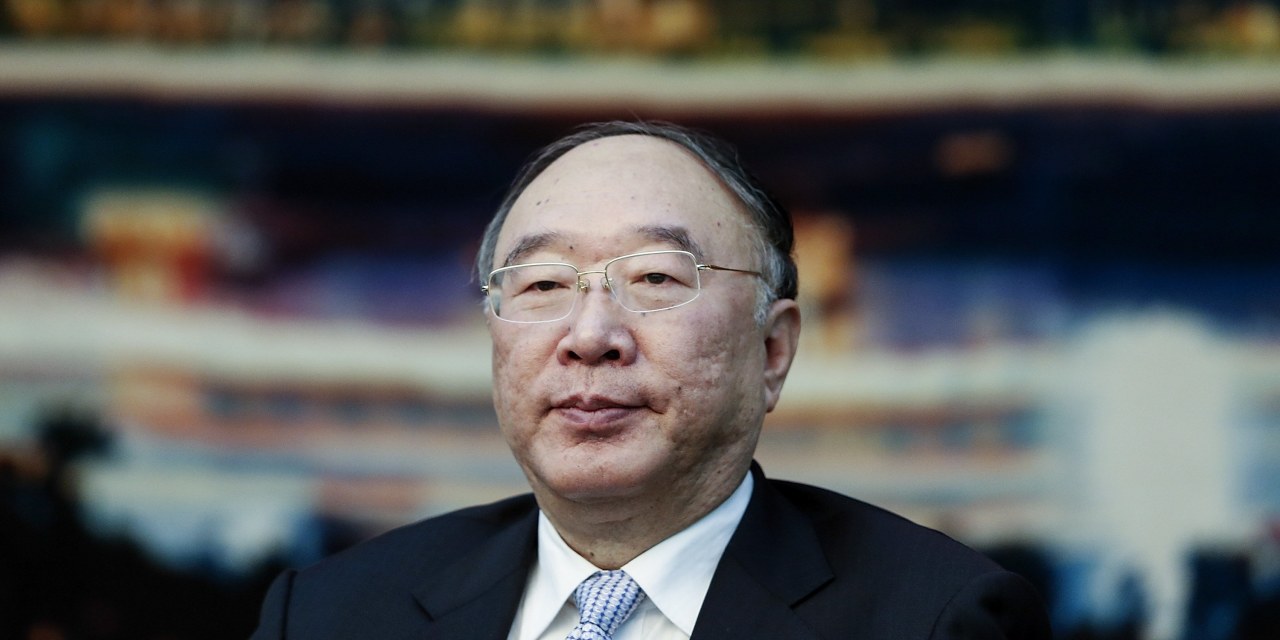
Last week, Beijing announced that Huang Qifan, the 74-year-old former mayor of Chongqing, a sprawling southwestern Chinese metropolis, and a fixture in China’s economic-policy circles, was under investigation for suspected serious violations of discipline and law—the Communist Party’s standard euphemism for corruption. The conviction and punishment rate in such circumstances is virtually 100%.
The move stunned many political watchers. Huang had long been known as a 不倒翁 (bù dǎo wēng), a roly-poly figure who never topples. He had navigated more than a decade of factional warfare, including close ties to Bo Xilai, the disgraced former Chongqing party boss. Many American readers know him as the guy who traveled to the U.S. consulate in Chengdu in February 2012 to retrieve Bo’s police chief, who had sought refuge there following a rift with Bo.
Huang’s fall signals that Xi’s anticorruption campaign is accelerating ahead of the 21st Party Congress, expected for late 2027, when the party decides who joins its top leadership and how power is distributed. In the first half of this year, China’s disciplinary authorities filed roughly 538,000 cases, an average of nearly 90,000 a month, up from about 83,000 a month in 2025. At the top, 36 senior officials at the provincial or ministerial level and above were investigated or disciplined in the first half of this year alone.
Copyright ©2026 Dow Jones & Company, Inc. All Rights Reserved. 87990cbe856818d5eddac44c7b1cdeb8