

(Dreamstime)
Iran’s foreign minister said Tuesday that Tehran’s relationship with Moscow had never been closer, as Russia condemned U.S. and Israeli attacks on Iran and President Donald Trump assessed that Russian President Vladimir Putin was doing little to assist Tehran in the war.
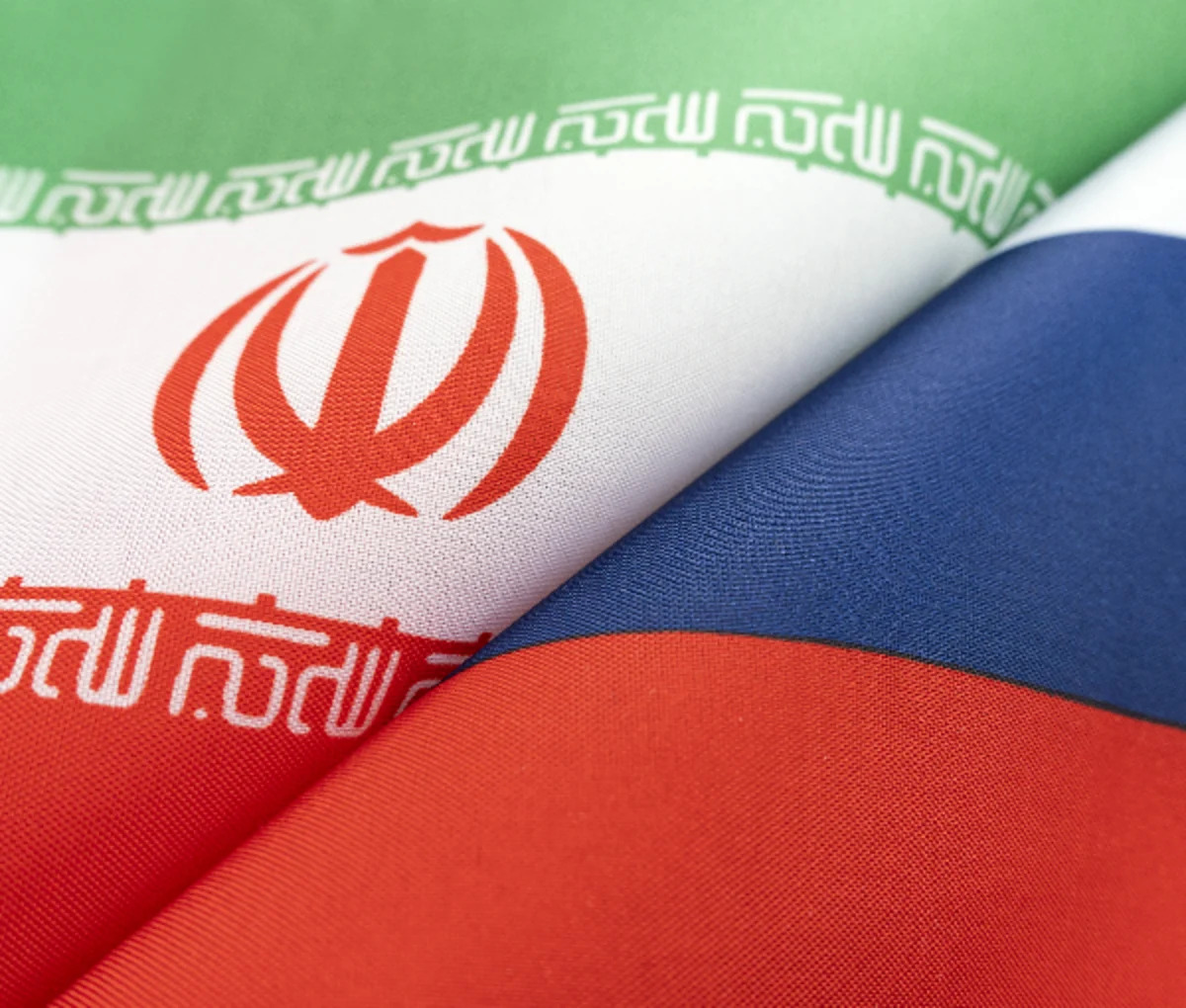
“Never in our history have Iran and Russia worked as closely as now,” Iranian Foreign Minister Abbas Araghchi said, highlighting the countries’ cooperation as Russian Foreign Minister Sergey Lavrov visited Tehran.
Lavrov’s visit was his first to Iran since the United States and Israel launched their military campaign on Feb. 28.
During the visit, Lavrov condemned the U.S. and Israeli attacks as illegal, underscoring Moscow’s public support for Tehran even as Trump characterized Russia’s contribution to Iran’s war effort as limited.
Trump said Russia was “doing very little, if anything, to help” Iran, offering an assessment that differs from reports by U.S. intelligence sources and European officials describing possible Russian assistance to Tehran.
Reuters reported Oct. 13 that U.S. intelligence assessments indicated Russia and China were providing Iran with military-related support, including satellite imagery that could assist targeting and components for weapons.
The Washington Post reported in March, citing officials familiar with the intelligence, that Russia had supplied Iran with information about the locations of U.S. military assets, including warships and aircraft in the Middle East.
CBS News also reported in March that European allies had told U.S. officials that Russia was materially supporting Iran’s war effort, including through intelligence assistance.
The full extent of any Russian assistance remains difficult to establish publicly, and Moscow has not openly committed its forces to fighting alongside Iran.
The differing assessments come as Russia maintains its strategic partnership with Tehran while seeking to preserve diplomatic engagement with Washington.
Trump has pursued closer working relations with Putin as part of his efforts to negotiate an end to Russia’s war against Ukraine, which began with Moscow’s full-scale invasion in February 2022.
The administration has sought to keep diplomatic channels open with Russia while pressing Moscow and Kyiv to reach a settlement. Negotiations have faced difficult questions involving territory, security guarantees and Ukraine’s future relationship with the West.
Trump has also sought to address rising energy costs, while U.S. decisions involving Russian oil transactions and sanctions have prompted debate over how to balance economic concerns with pressure on Moscow over the Ukraine war.
Against that backdrop, Russia’s relationship with Iran presents a separate strategic consideration for Washington: Moscow has condemned the U.S.-Israeli military campaign while maintaining ties with Tehran, even as the Trump administration pursues negotiations with the Kremlin.
Russia and Iran have expanded their cooperation in recent years, particularly since Moscow launched its full-scale invasion of Ukraine.
Iran supplied Russia with Shahed drone technology that Moscow adapted for use in Ukraine. The United States also accused Iran in 2024 of supplying Russia with ballistic missiles.
Russian President Vladimir Putin and Iranian President Masoud Pezeshkian signed a 20-year strategic partnership treaty in January 2025. The agreement, which took effect in October that year, expanded cooperation in security, economic and diplomatic affairs.
The pact does not require either country to enter a war on the other’s behalf, leaving Moscow room to support Tehran diplomatically or through other forms of cooperation without committing Russian forces to the conflict.
Russia also has economic interests at stake. Disruptions to shipping through the Strait of Hormuz have affected global energy supplies and contributed to volatility in oil markets, potentially benefiting Russian exporters as buyers seek alternative sources.
Lavrov’s visit highlights Moscow’s effort to maintain its partnership with Iran while preserving its own diplomatic and economic interests.
© 2026 Newsmax. All rights reserved.