
NICOSIA Cyprus is in advanced negotiations with Israeli defense companies Israel Shipyards and Rafael for a deal worth approximately €150 million to acquire naval vessels equipped with advanced weapons systems, according to Israeli financial newspaper Calcalist.
The agreement is expected to be signed in the coming weeks, once the terms are finalized by the Israeli and Cypriot defense ministries.
Under the proposed deal, Israel Shipyards would supply the vessels, while Rafael would provide the weapons systems. The agreement is being pursued through a government-to-government (G2G) framework, further strengthening defense ties between the two countries.
The cooperation builds on existing defense links. Less than a decade ago, Israel Shipyards supplied Cyprus with a patrol vessel to help protect its Exclusive Economic Zone (EEZ). The vessel is equipped with radar and command-and-control systems, as well as two Typhoon naval weapon stations.
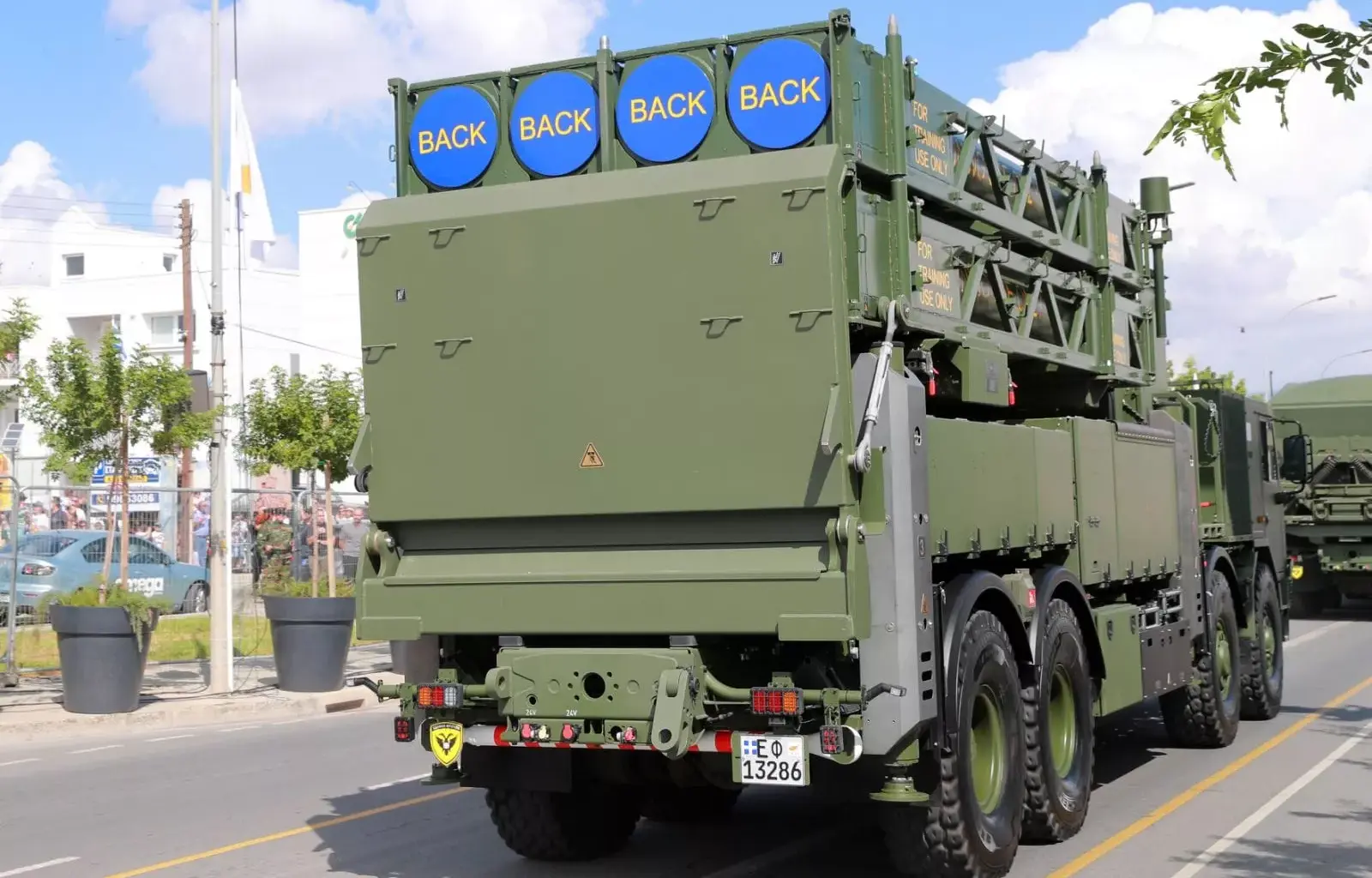
Israel has also supplied Cyprus with the Barak MX air and missile defense system, developed by Israel Aerospace Industries (IAI). The system was publicly displayed during a military parade in Nicosia in early October marking the 66th anniversary of the Republic of Cyprus’ independence.
The planned naval deal forms part of broader efforts to deepen Israeli-Cypriot defense and diplomatic cooperation, alongside Israel’s strategic partnership with Greece, amid growing security concerns in the Eastern Mediterranean.
Turkey Concerned Over Barak MX Deployment
Meanwhile, Israeli newspaper Maariv reported that Cyprus is strengthening its air defenses with an additional battery of the Israeli-made Barak MX system, a move that has reportedly raised concern in Turkey.
According to the report, Nicosia is moving toward completing its initial procurement plan to establish an integrated air defense shield covering the Republic of Cyprus.
Manufactured by IAI, the Barak MX is designed to intercept drones, cruise missiles and tactical ballistic missiles, with interceptors capable of reaching targets at distances of up to 150 kilometers.
Maariv highlighted concerns in Ankara, noting that Turkish officials and political figures have described the system as “more dangerous than the Russian S-300” because of its operational capabilities and range.
The report also cited Cypriot interest in additional Israeli defense systems, including the Drone Dome counter-drone system, the Lite Beam laser system and the Iron Dome missile defense system.
For now, Russian-made Tor-M1 and Buk systems will remain in the Cypriot National Guard’s arsenal. The introduction of the Barak MX does not mean they will be withdrawn immediately.