
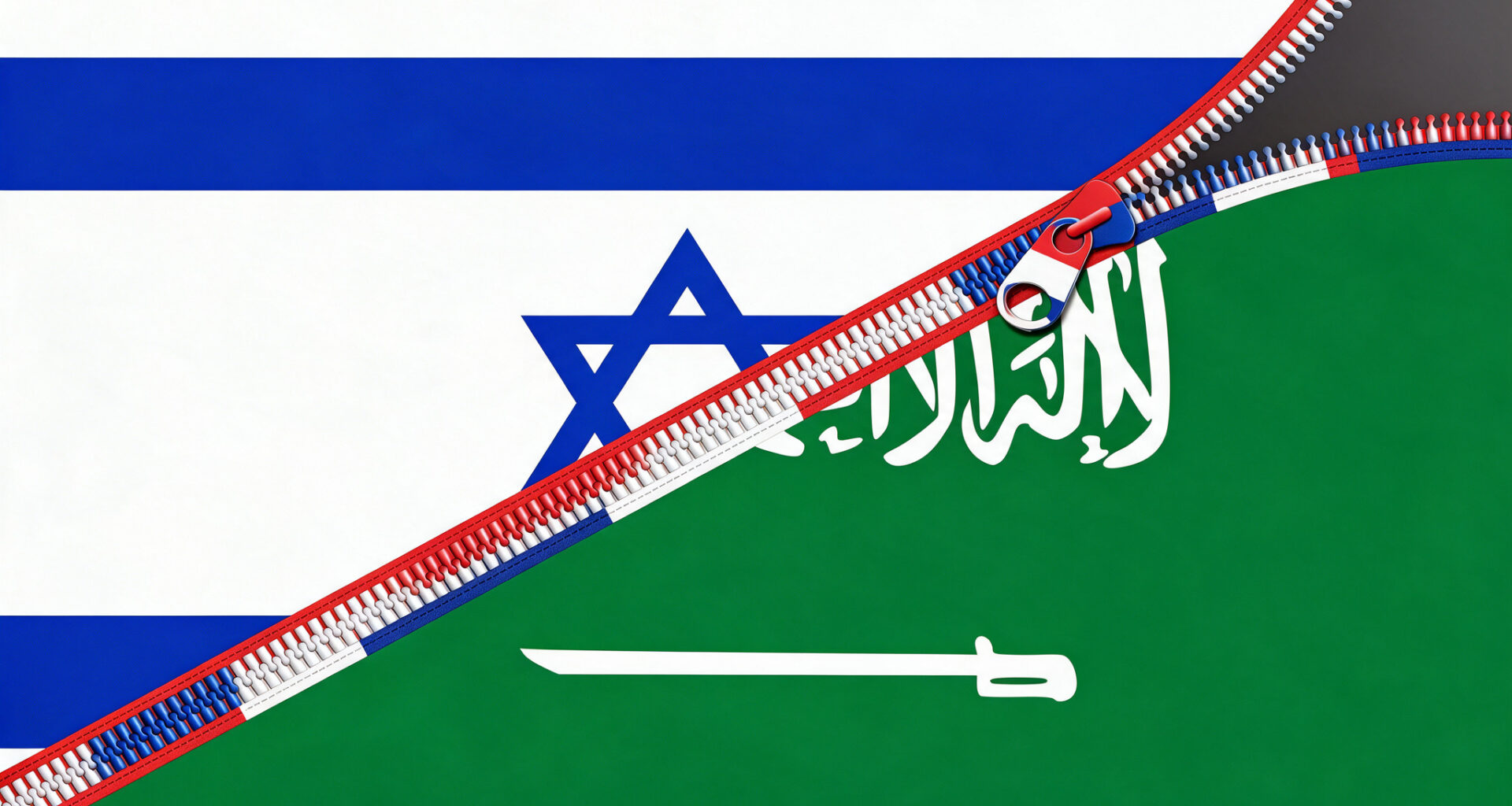
Saudi Arabia is under fire from Yemen’s Houthis. President Donald Trump thinks Israel can help. But a partnership that makes military sense on paper remains a politically hazardous prospect for Riyadh.
Giorgia Valente explores that dilemma through interviews with Israeli Gulf specialist Dr. Yoel Guzansky and regional strategist Dr. Cyril Widdershoven. On October 16, President Trump suggested Saudi Arabia would accept Israeli assistance and said normalization might be closer than ever. Riyadh has made no public commitment to either.
The pressure is real. Houthi missile and drone attacks have struck Saudi infrastructure, including Riyadh’s international airport, where 13 people were killed. Repeated attacks threaten aviation, energy facilities, and the investment-driven Vision 2030 program. Saudi Arabia’s flagship Future Investment Initiative conference has been postponed until 2027, although organizers did not explicitly blame the attacks.
Still, public cooperation with Israel carries a political price. Guzansky points to a telling September incident: After a Flydubai flight bound for Israel made an emergency landing in Saudi Arabia, Riyadh refused permission for Israeli military aircraft to collect its passengers.
Saudi Arabia is instead exploring help from Egypt and the United Arab Emirates, while Turkey has submitted a three-country defense agreement with Saudi Arabia and Pakistan for parliamentary ratification. Britain has announced defensive air patrols over Saudi territory. Widdershoven warns that expanding military intervention in Yemen could draw in Iran and other armed groups without delivering a decisive victory.
Then come the elections. Israelis vote October 27, and Americans choose a new Congress November 3. Both analysts believe replacing Prime Minister Benjamin Netanyahu could improve the atmosphere for Saudi-Israeli talks, even as President Trump has endorsed Netanyahu. The US president also faces declining approval and mounting frustration over the Iran war.
Valente’s complete reporting follows the experts through those competing military and diplomatic calculations, including the risks of relying on agreements that may not translate into troops or operational help. But Saudi Arabia’s most difficult condition survives every scenario: a credible path toward Palestinian statehood. As Guzansky cautions, “A new government in Israel may push new talks with Saudi, but still the opposition won’t guarantee a Palestinian state.”