
“At the end of the day, I don’t want blood on my hands, and neither should any of us,” said Councillor Ayah Al-Zubi, who introduced the proposals.
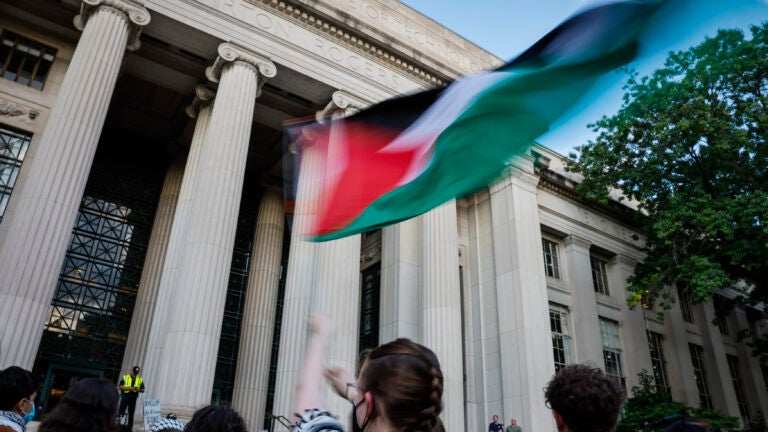
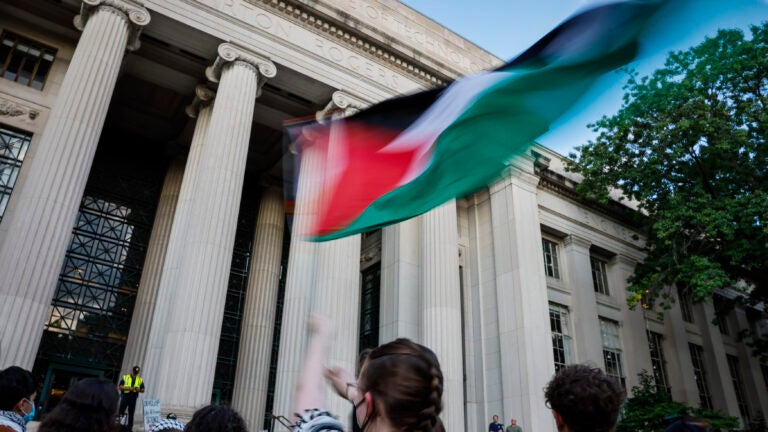
MIT students and faculty gathered outside of the campus in Cambridge in 2024 to protest the university’s involvement in Israel and show support for Palestine. Erin Clark / The Boston Globe Staff, File
October 21, 2026 | 4:02 PM
2 minutes to read
After a marathon public comment session that saw hundreds deliver fiery remarks, the Cambridge City Council on Tuesday put off voting on a pair of proposals to boycott and divest from companies “complicit” in Israel’s actions in Palestinian territories.
“This is the worst atrocity of our lifetime, and we are invested in it,” said Councillor Ayah Al-Zubi, who introduced the proposals. “At the end of the day, I don’t want blood on my hands, and neither should any of us.”
One of the policy orders calls for Cambridge’s pension and Other Post-Employment Benefits funds to pull investments from a list of companies “with severe and consistent involvement directly contributing to genocide, apartheid, and occupation of Palestinians.”
“This focuses on the most egregious human rights abuses in Palestine, and it’s about 1% of our pension fund,” Al-Zubi explained. “So every line in this order is a request. It doesn’t spend money, and it doesn’t bind anyone.”
The second policy order suggests language for an ordinance that would bar Cambridge from contracting with companies included on that boycott list. If the order passes, the proposed policy would move to the council’s Ordinance Committee for a hearing.
But as Monday’s City Council meeting spilled over into a second session Tuesday morning, Vice Mayor Burhan Azeem and Councillor Patricia Nola exercised their so-called “charter right” to table discussion until a future meeting.
“I am hoping that we can have a special meeting where we can work on language and pass something,” Azeem explained, adding that he does not feel Cambridge should involve itself in foreign policy.
“I believe that Israelis should be able to live in peace. And Israelis will also be the first to say that they have a complicated neighborhood,” Azeem said. “I think the question I struggle with is that if it is so complicated, why should we be involved?”
Nolan likewise expressed concerns that the proposals single out “just one country” instead of reviewing city investments across the board.
“This is really hard, and if the intent is to ensure our city funds do not fund terror or war crimes or equally horrific acts, then the process must be just and fair and include all problematic companies,” she said, adding, “I can support divestment, not this language.”
But Al-Zubi argued international politics are “inextricably linked with domestic affairs” and pointed out that Cambridge previously voted to keep city funds out of fossil fuels, private prisons, and apartheid-era South Africa. She also pushed back against critics who suggested the policy orders cast Israel in a negative light.
“I’m not making them look bad; I am speaking the truth,” Al-Zubi said. “The truth is uncomfortable; we have to be willing to name who’s responsible for injustice.”
The City Council is next scheduled to meet on Nov. 2, though Mayor Sumbul Siddiqui floated the possibility of a special meeting before then. As councillors moved on to the next agenda item Tuesday, scattered cries of “shame on all of you” could be heard in the audience, followed minutes later by chants of “free Palestine!” from the departing crowd.
Abby Patkin is a general assignment news reporter whose work touches on public transit, crime, health, and everything in between. She has been covering the Lindsay Clancy murder case since January 2023.
Sign up for the Today newsletter
Get everything you need to know to start your day, delivered right to your inbox every morning.