
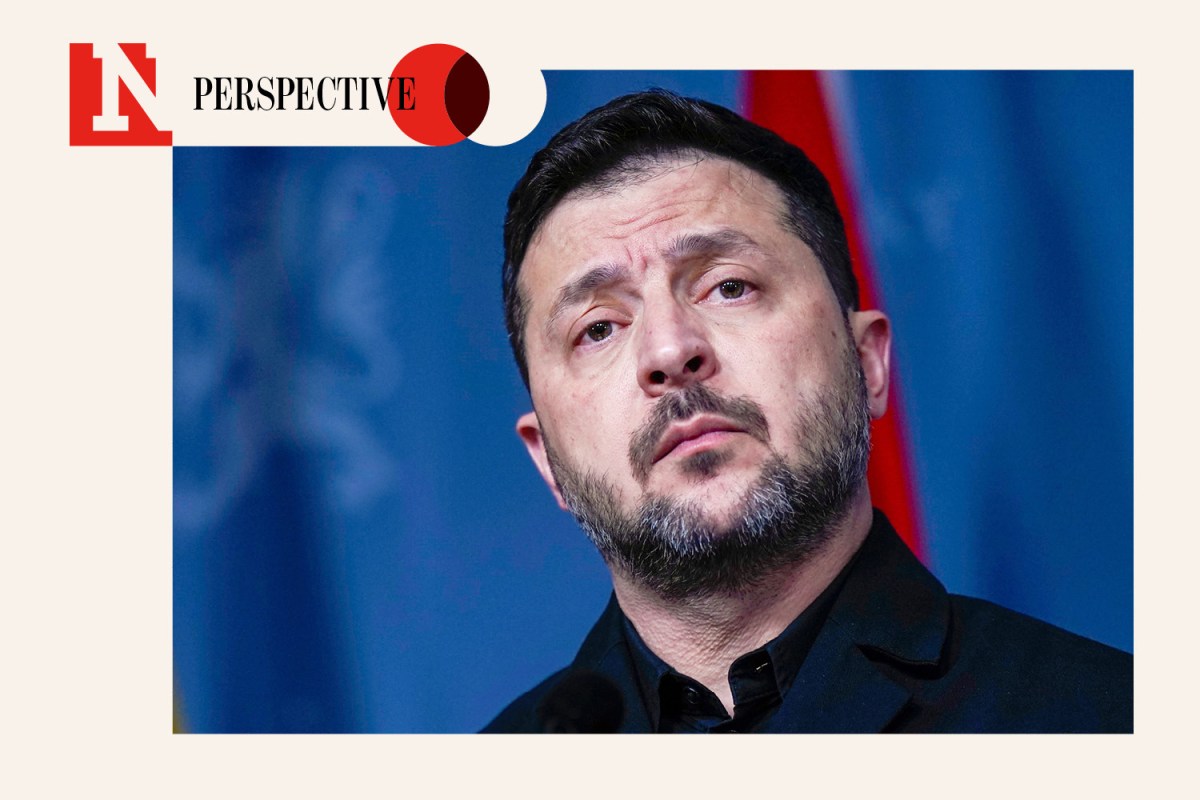
Volodymyr Zelensky has spent four-and-a-half years trying to protect his country from Russia. For the past two weeks, the bulk of his time has been spent battling the whims of his most important ally.
Since Donald Trump struck a diesel deal with Vladimir Putin on October 9, it’s been one crisis after another for Kyiv: U.S. demands to stop striking Russian refineries, reported slowdowns of Elon Musk’s Starshield on which Ukrainian drones depend, and a sudden absence of early warnings for incoming Russian missile attacks.
But Ukraine’s president faces an even bleaker prospect on November 3. If the GOP loses out in the midterms, Kyiv may well suffer the vengeance of a sullen, lame duck president whose priorities place Ukrainian sovereignty far below his desire to claim a foreign-policy triumph and pursue economic agreements with Moscow.
Read More on Analysis
“Trump is a man in need,” John Lough, head of foreign policy and international partnerships at the New Eurasian Strategies (NEST) Centre, told Newsweek. “He doesn’t have any sense of commitment to the defense of Ukraine. Ukraine is completely expendable.”
The Kremlin, meanwhile, is sitting pretty; Trump is demanding a peace “deal,” but so far Ukraine is the only party expected to make the sacrifices.
Burn Kyiv, Save the Party?
Trump billed his Russian diesel deal as a “very big and important announcement” that would send American and global fuel prices tumbling “IN RECORD NUMBERS, AND FAST!” Analysts are considerably less enthusiastic, and the national average diesel price actually rose to $6.28 a gallon this week.
Still, with the midterms around the corner, Trump has sought to shift attention from his war in Iran as the principal driver of the energy crisis onto Ukraine’s assault on Russian refineries.
Some Republicans have parroted the narrative, including Senator Mike Lee, who accused Zelensky of “working overtime” to help Democrats win in November. But neither Trump’s diesel bargain nor his attacks on Kyiv appear to have made much headway with voters.
A Reuters/Ipsos poll published Monday put his presidential approval rating at just 31 percent, with Democrats leading Republicans 47 to 35 percent among registered voters on the congressional ballot.
The more American voters punish Trump for his handling of the economy and foreign policy, the more incentive he may have to punish Ukraine for the political consequences of his own decisions.
A Democratic-controlled Congress would likely be more sympathetic to Kyiv’s plight, but it couldn’t simply override the president’s discretion over intelligence cooperation, weapons transfers or diplomacy. Trump, meanwhile, would still have another two years in office and a powerful incentive to leave the White House claiming he ended Europe’s bloodiest conflict since World War II and secured lucrative energy and commercial deals for Washington.
Lough believes Trump “just seems to be focused on the idea that he can bring a major war to an end and that there will be a glittering prize of commercial deals at the end of it, you know, plus a Nobel Peace Prize.”
Birthday Treats
The Russian president celebrated his 74th birthday on October 7, but the gifts from Washington haven’t stopped arriving.
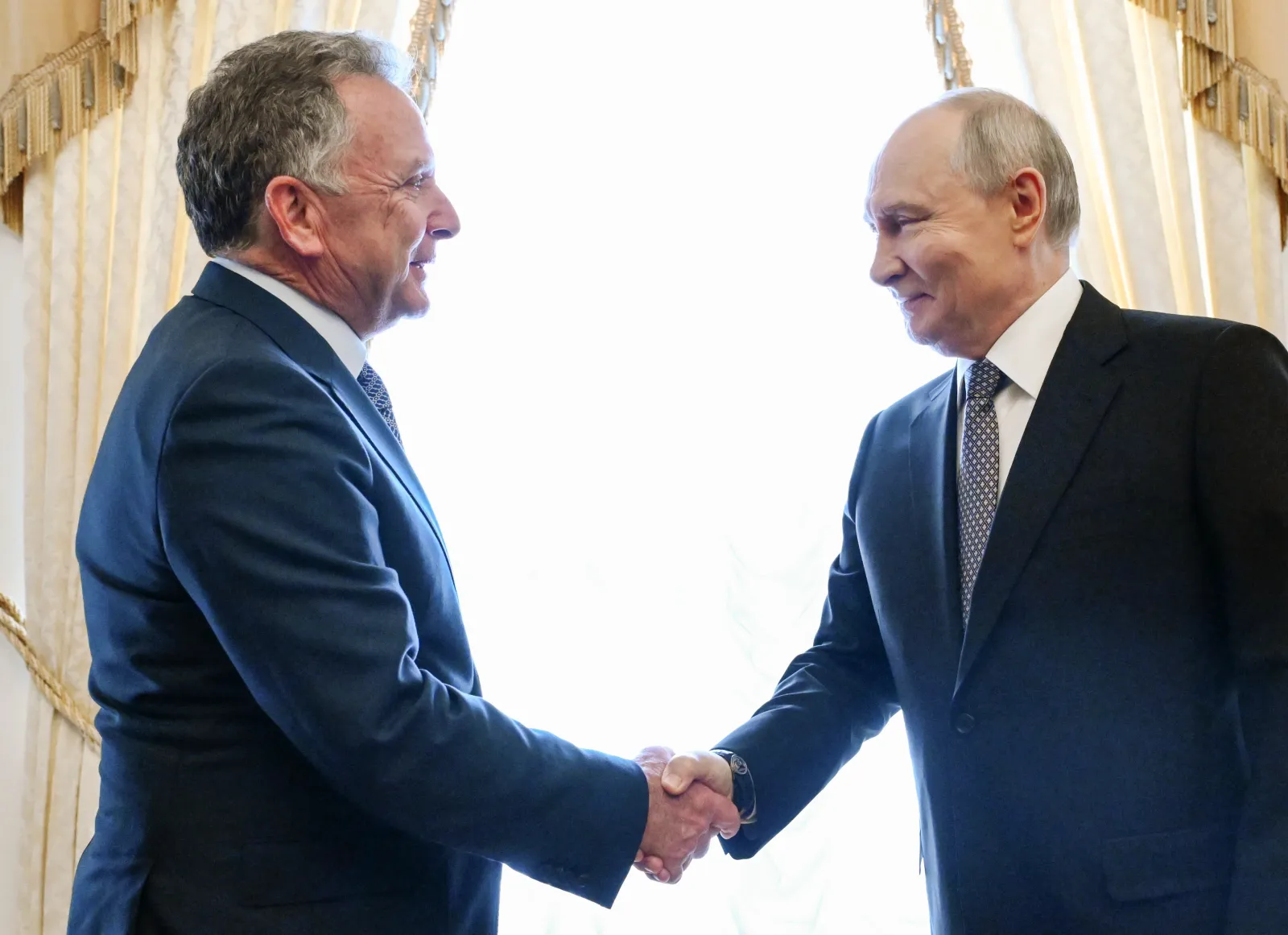
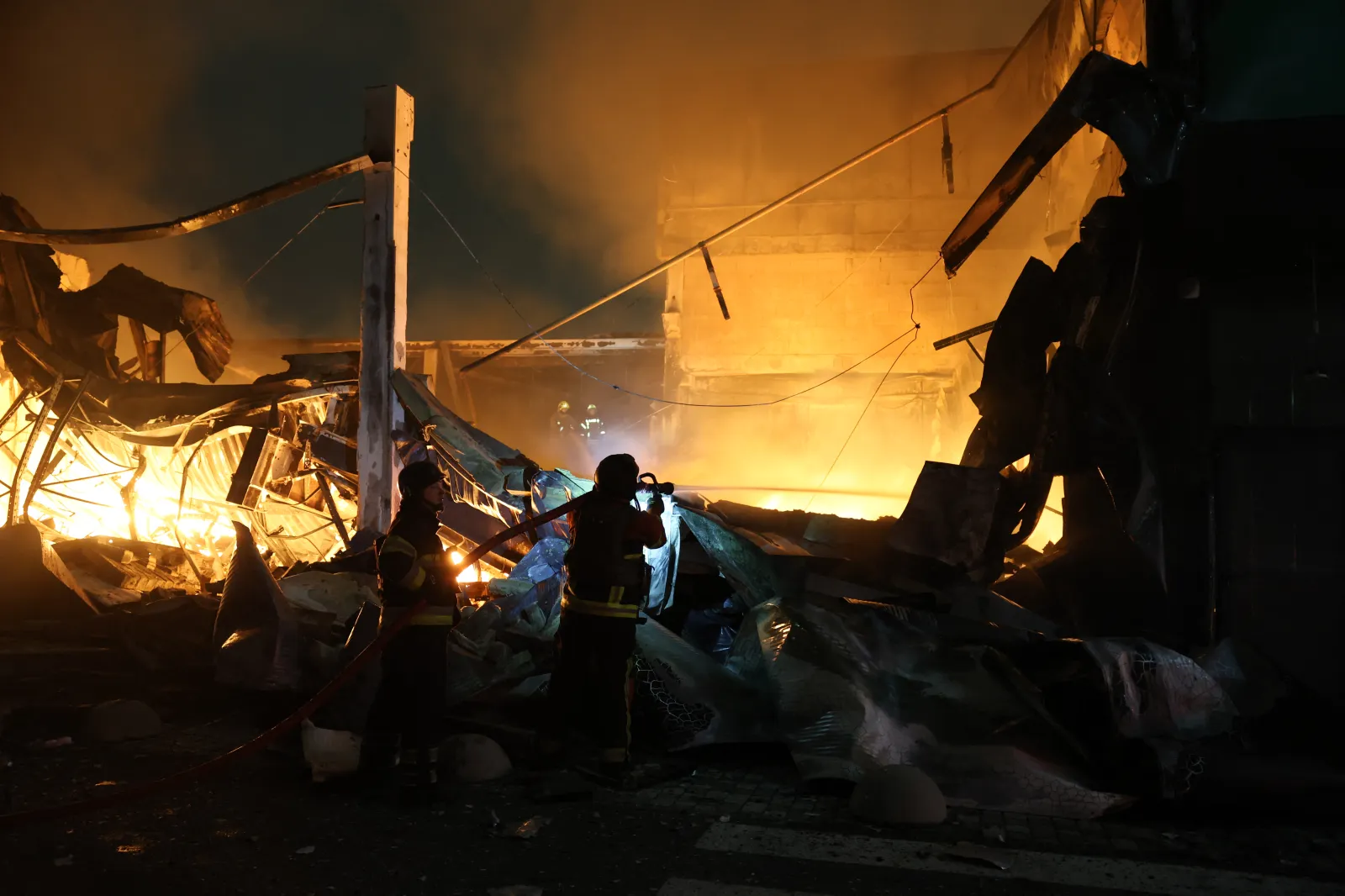
Beyond the material benefits of Trump’s diesel agreement and partial sanctions relief, the White House is handing Moscow political capital hand over fist. On Wednesday, Trump’s envoy Steve Witkoff traveled to St. Petersburg and laid it on thick before the Russian president, praising the architect of the war in Ukraine as a “humanitarian” for releasing another septuagenarian—American citizen Stephen Hubbard—from captivity. Hours later, Russian missiles were hammering Kyiv again.
Putin is already enjoying the diplomatic benefits of rapprochement with Washington without having to compromise on its demands for a resolution to war in Ukraine. But Alexander Morozov, head of Russia domestic policy research at the NEST Centre, argues the Kremlin is playing a grander game.
“Moscow is using Trump’s pressure on Zelensky primarily to intensify its attack on Europe,” Alexander Morozov told Newsweek.
“The Kremlin needs to undermine European support for Ukraine. Its aim is to manipulate Trump’s negotiating initiative until Ukraine is weakened. Putin isn’t counting on the results of peace negotiations, but on creating a situation in which Ukraine can be broken.”
The genius of this approach, from Moscow’s perspective, is that Trump becomes an unwitting accomplice in undermining not just Western support for Ukraine, but the unity on which NATO itself depends. Putin can simultaneously celebrate cooperation with Washington, portray Kyiv and its European supporters as the real obstacle to peace, and accelerate the growth of the rift between the U.S. and its transatlantic security allies.
“Trump thinks he is making moves aimed at a ‘deal’ to end the war,” Morozov said. “Putin is simply pursuing his goal: breaking Western unity, disorienting it, leaving Ukraine without support, and forcing Europe to recognize the outcome of the war that suits the Kremlin.”
The Clock Is Ticking
Viewed in this light, it may seem Putin has every incentive to drag this process out indefinitely.
There is, however, a limit to how much economic and social pressure Russia’s war machine can withstand. The Kremlin is grappling with mounting budget deficits, labor shortages, deteriorating government finances and enormous military losses. Lough believes Putin sees Trump as an opportunity to bring the conflict to a favorable conclusion before those pressures become more severe.
“I think he would rather get out of this as quickly as he can,” he told Newsweek. “Yes, economically, they can go on, but we’re going to see a steady deterioration in state finances. There’s a yawning budget deficit already this year. They’re going to have to reduce spending on non-military items next year. There has been a promise of victory for, I’d say, two years now.”
His colleague Morozov cautioned against mistaking Russia’s desire for a favorable settlement for any expectation that peace is imminent.
“Nobody in the Russian leadership, as far as we can see, expects the war to end in the next two years,” he said. “The budgets for 2027 and 2028 show this, as do Putin’s meetings on developing the military-industrial complex, and the government’s preparations to continue adapting the economy to a new phase of the war.”
For Trump, ending the war could be a crowning achievement before turning his attention to lucrative business with Moscow. For Putin, it could deliver through diplomacy what nearly five years of military aggression have failed to achieve.
For Ukraine, its indispensable ally could become the instrument through which its greatest enemy finally gets his way.