


Listen to this article
Estimated 5 minutes
The audio version of this article is generated by AI-based technology. Mispronunciations can occur. We are working with our partners to continually review and improve the results.
If Nova Scotia school support workers walk off the job next week, one of Heather Rose’s sons will still go to school, while the other will be forced to stay home.
That’s because her eldest, Aidan, has Down syndrome and there will be no one at his junior high school to provide the one-on-one support he needs.
“Aidan loves school, so it’ll be devastating,” said Rose, who lives in Hubley, N.S., near Halifax.
“He will be absolutely devastated to not be able to be with his peers, his teachers and his EPAs that are, in his mind … some of his best friends.”
The province’s regional centres for education and the Conseil scolaire acadien provincial have been in contract negotiations with the Canadian Union of Public Employees for several months. The union represents 5,500 workers including educational program assistants (EPAs), early childhood educators in the pre-primary program, bus drivers, custodians, library support specialists, African and Mi’kmaw student support workers, and others.
A CUPE representative told CBC on Wednesday that they still want to bargain and reach a deal. Another round of negotiations with the francophone school board is scheduled for Friday.
If no deal is reached, CUPE members would be in a legal strike position on Oct. 26.
While each union local has its own unique concerns, core issues for all workers include wages, benefits, school safety, staffing levels and training.
Rose was told her son’s school won’t be able to accommodate him if the strike goes ahead. She said there’s a chance he’ll be allowed to attend for 30 minutes a day.
“We continue to hear from our government here in Nova Scotia that they … support inclusion and inclusive education. Yet over and over we’re shown that this is not actually true,” said Rose.
The union represents different support workers in different parts of the province, so a strike would have different impacts depending on the region.
Some will offer a combination of in-person, at-home and online learning. But the Cape Breton-Victoria Regional Centre for Education, for example, will close schools altogether in the event of a strike — shifting to at-home and online learning. Some pre-primary programs would be paused.
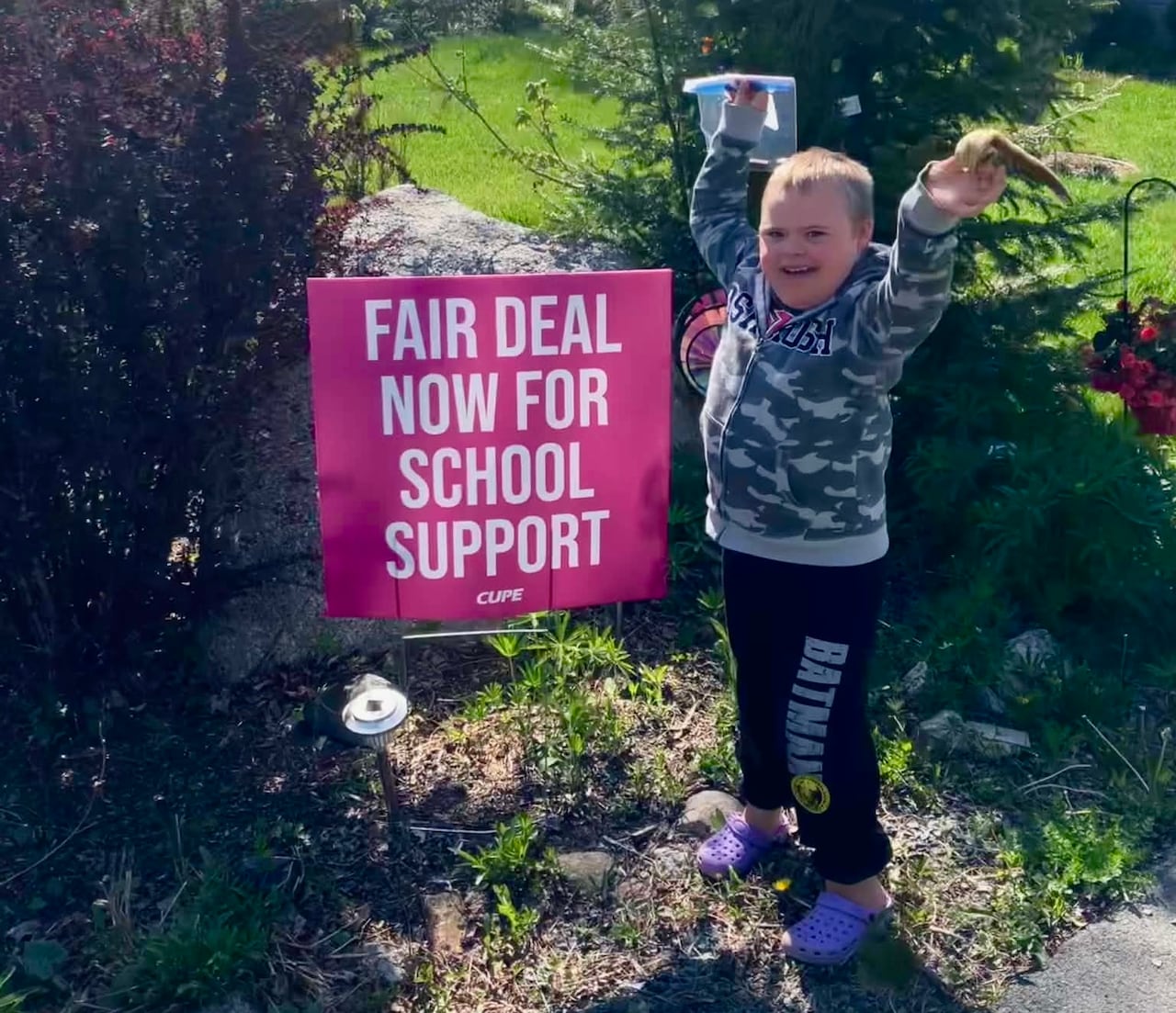
Rose’s son, Aidan, who was shut out of school for five weeks the last time CUPE school staff in Halifax went on strike in 2023. (Submitted by Heather Rose)
Lindsey Bunin, spokesperson for the Halifax Regional Centre for Education, said officials are “proactively planning” how schools can support students with disabilities should CUPE job action occur. She said principals are reaching out to families directly.
“The ability to attend school will depend, in part, on the individual supports a student requires and how those supports may be affected by job action,” said Bunin. “We recognize the uncertainty this creates for families, and we are working to understand and plan for these impacts as fully as possible.”
Karen Morash of Seabright, N.S., is scrambling to come up with a plan for her daughter Janelle, who is on the autism spectrum.
The 14-year-old typically has an EPA with her at all times, including to help her use the washroom.
“I literally trust these people with her life,” said Morash.
She was informed this week that her daughter could attend school in the event of a strike, but Janelle would have to remain in the learning centre all day, and there would be no one there to take her to the bathroom.
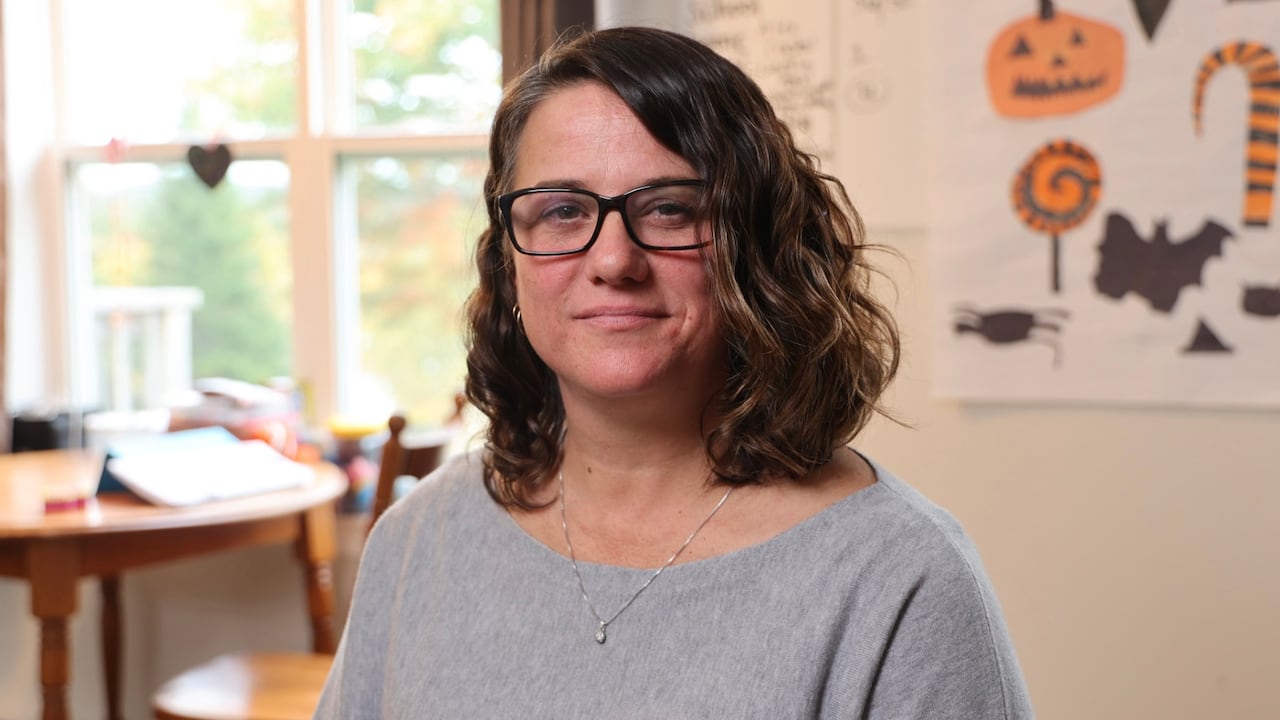
Karen Morash may have to take time off work to act as her daughter’s caregiver at school. (Jeorge Sadi/CBC)
With proper clearances in place, Morash has been given permission to go into the school as her daughter’s caregiver if a strike occurs. She will have to take leave from her full-time job.
It’s not the first time that families like the Roses and Morashes are caught in the crossfire of a labour dispute.
In 2023, school support staff in Halifax were on strike for five weeks. Many kids with disabilities, including Aidan and Janelle, were shut out of school.
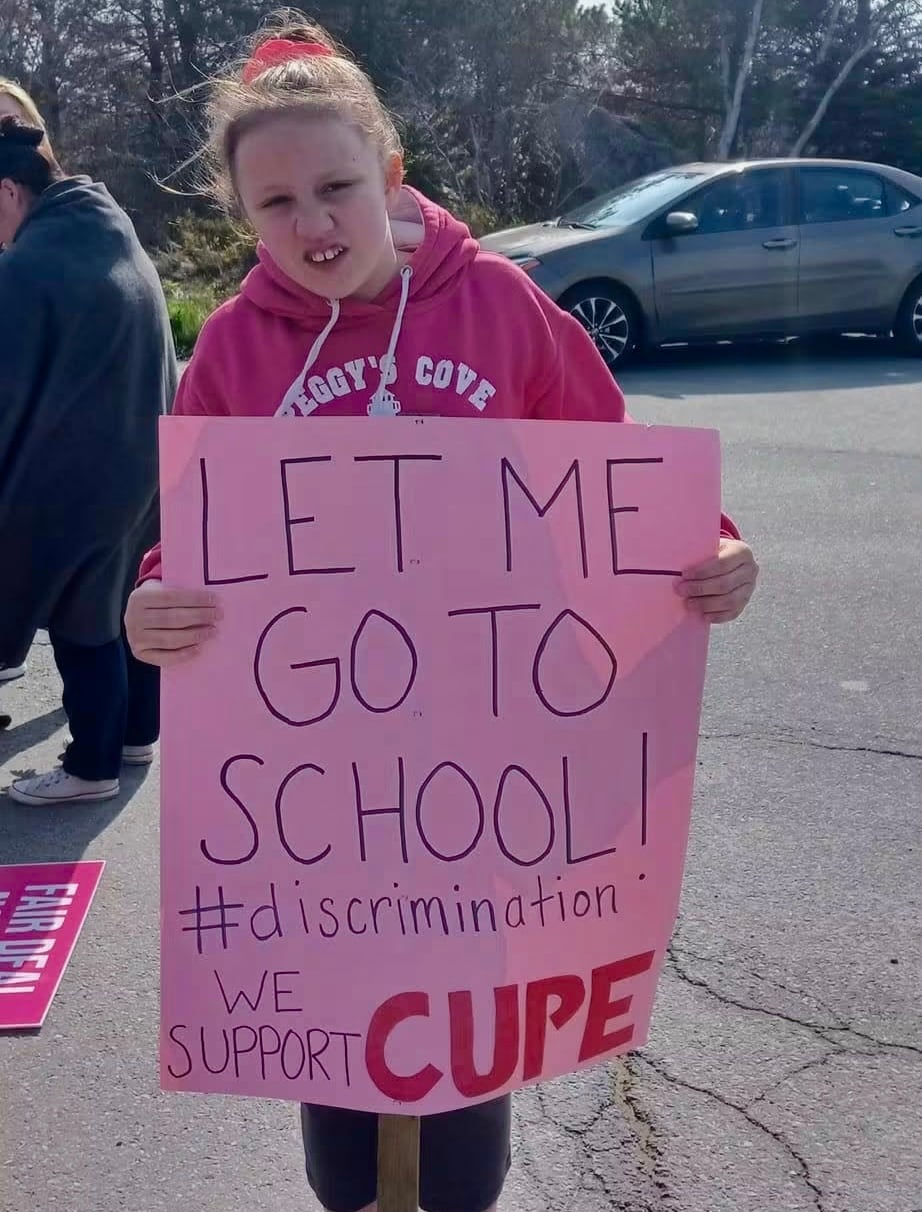
Morash’s daughter, Janelle, on the picket line supporting CUPE workers in 2023. (Submitted by Karen Morash)
Both Rose and Morash said the experience was traumatizing for their children, and it was hard to explain why their peers could go to school while they could not.
“My daughter has the right to be acknowledged as a person. She should be able to attend school like all the other kids,” said Morash. “And if she’s not able to, then that’s a problem and it’s not just something for us to brush underneath the rug.”
The mothers support CUPE’s right to strike and acknowledge the vital role its members play in the school system. But they said it’s the government’s responsibility to uphold a student’s right to an education.
In a statement to CBC News, Education Minister Brendan Maguire said he deeply values school support staff, and acknowledged that talk of labour action affecting schools is stressful.
“The province respects CUPE’s rights under the Trade Union Act. That being said, we also respect all students’ right to an equal education under the Education Act and Human Rights Act.”
Maguire said his department hopes that if a strike does occur, “the parties will be able to mutually agree on accommodating students who would otherwise not be participating in school with their peers.”
WATCH | Looming school staff strike threatens access to education for some students: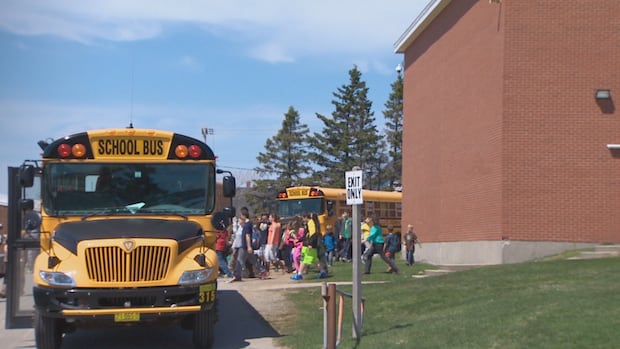
Strike could mean some students with disabilities stay home
For the second time in just a few years, anxiety and uncertainty are swirling as a potential school support staff strike looms. But for students with disabilities, the strike could mean being shut out of school altogether. As the CBC’s Celina Aalders reports, parents say the strike threatens their right to an education.
MORE TOP STORIES