
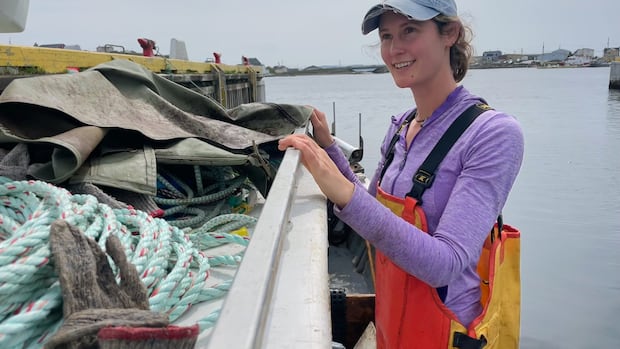
The sky and water are still black at 4 a.m. on Twillingate’s wharf, as Captain Lillian Saul steps into her orange rubber pants, and hops down a ladder to board her fishing boat.
Her two-man crew are there already, shovelling ice into fish tubs they’re hoping to fill with cod on this brisk August morning. The tubs fill up almost every inch of available space on the boat, Lilly’s Leap, echoing the leap of faith Saul took three years ago.
“I didn’t feel quite ready to have my own enterprise, but at the same time I was like, you’re going to have to get out of fishing, or move back to the United States, which I wasn’t crazy about… Or, just go in, just get your own,” Saul said.
“And if you fail, then you fail. But — just try.”
Her gamble was a big one.
LISTEN | Lillian Saul’s journey into the inshore fishery:
Atlantic Voice31:26Lilly’s Leap: From the southeastern U.S. to Newfoundland’s northeast coast
How did a 30-year-old American come to captain a fishing enterprise in rural Newfoundland? A few twists, a little luck, and a lot of friends are all involved in Lillian Saul’s journey, one that shows both the possibilities and pressures facing the next generation of fish harvesters. A documentary from Caroline Hillier.
Saul, 30, is from South Carolina. She had no family ties to Newfoundland and Labrador, and as she considered buying a fishing enterprise in Twillingate, she says some people warned her it wasn’t the best place to invest in, as she started out with little to her name.
“I didn’t have a house. I didn’t have a screwdriver. I mean, I had savings. That was pretty much it. I didn’t have, like, the most basics of basics. I didn’t have trailers or boats or anything,” said Saul.
“[They said] the north east coast was kind of like the worst place to buy an enterprise, our crab was uncertain … and everyone says that crab is where the money is at.”
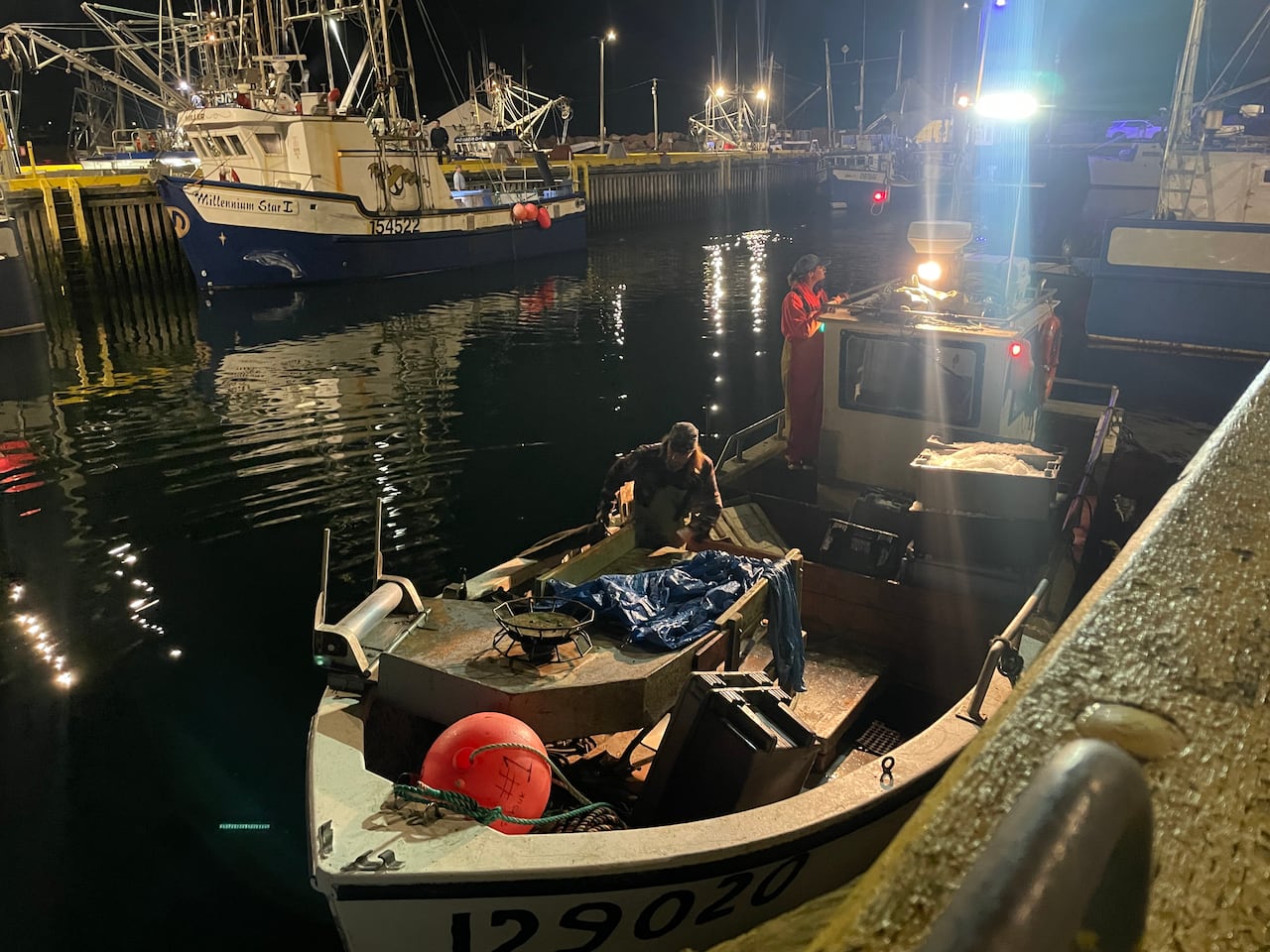
The sky and water are still dark when Lillian Saul and her crew head out at 4 a.m. for a day of cod fishing. (Caroline Hillier/CBC)
From South Carolina to Twillingate
What Saul did have was experience. She had already spent years working on the water, first in Maine’s lobster fishery and then in the sockeye salmon fishery in Alaska.
It was in Alaska, while working on an all-women crew, that she first imagined: becoming a captain herself.
“That just kind of completely opened my eyes to a new world. For one, the skipper that I worked for was a woman, and it was an all girls boat. No men on the boat and it was a high performing boat,” she said.
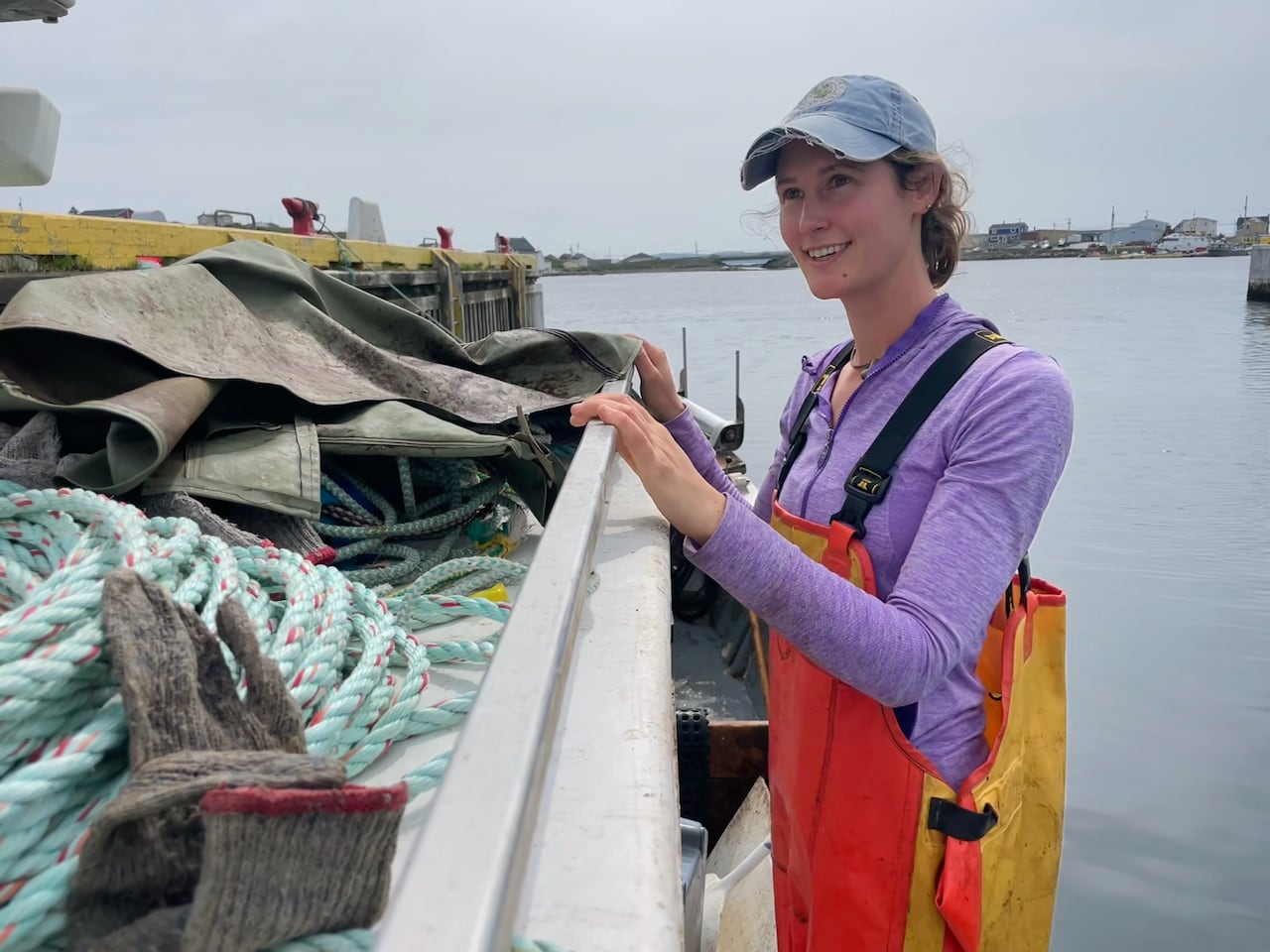
Saul, 30, named her boat Lilly’s Leap, to echo her circumstances as an American buying a fishing enterprise in Twillingate. (Caroline Hillier/CBC)
Not entirely sure if being a captain was for her, and still figuring out what she wanted to do with her life, she applied to Memorial University to study small-scale fisheries, and soon found herself in Newfoundland and Labrador.
“As soon as I got off the ferry boat and it became daylight — ’cause it was pitch black, at that point — I just had a feeling like, this place is different than anywhere I’ve ever experienced before. Just wild, and the landscape was completely mind blowing to me,” said Saul.
She completed her master’s degree at MUN, but after spending what she describes as “too much time” sitting in front of a laptop, she was eager to get back on the water. Her first thought was to return to Alaska. But Saul had applied for Canadian permanent residency and was concerned about leaving the country while waiting on approval.
So she stayed.
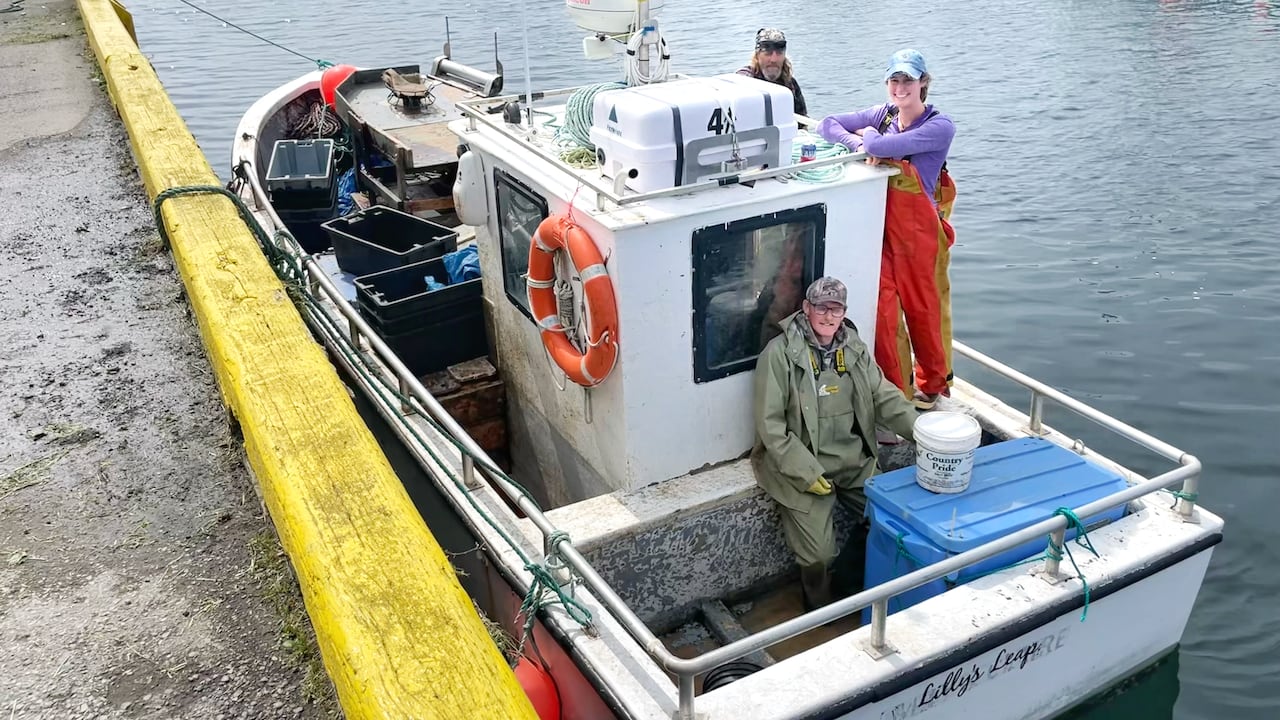
Saul’s crew have both been fishing since before she was born. (Caroline Hillier/CBC)
“The Newfoundland fishery fascinated me, because it was the one thing I had seen where like one person, and in a lot of cases on one single boat, does like five or six different fisheries and lives in the same place while doing it,” Saul said.
First she worked as a deckhand, but eventually Saul decided it was time to make a choice: return to Alaska, give up fishing altogether, or stay and buy a fishing enterprise of her own.
Saul estimates the average price for fishing enterprises in the area are between $250,000 and $500,000.
“I was in tears pretty much every night over this decision because it was just a big investment and a big commitment,” she said.
She went ahead with the expensive purchase, despite warnings and uncertainty, and struck out to make Twillingate her home.
‘I got really lucky’
By many measures, Saul’s gamble has worked out.
“I got really lucky when I bought into the fishery,” said Saul.
“Many blood, sweat and tears go into this, but if you’re willing to give it your all, then there is a living to be made.”
Timing made a difference too. In 1992, the cod moratorium triggered the biggest layoff in Canada’s history, gutted the province’s economy, and saw a wave of outmigration from coastal fishing communities like Twillingate.
More than three decades later, northern cod is making a comeback. In 2026, the latest northern cod science put the stock in a healthy zone for the first time since the moratorium. The total allowable catch increased by 55 per cent. Saul has been fishing cod with success, along with other species like crab and lobster.
Saul’s first year on the water went well. Her second year was even better financially. But success brought a new kind of pressure.
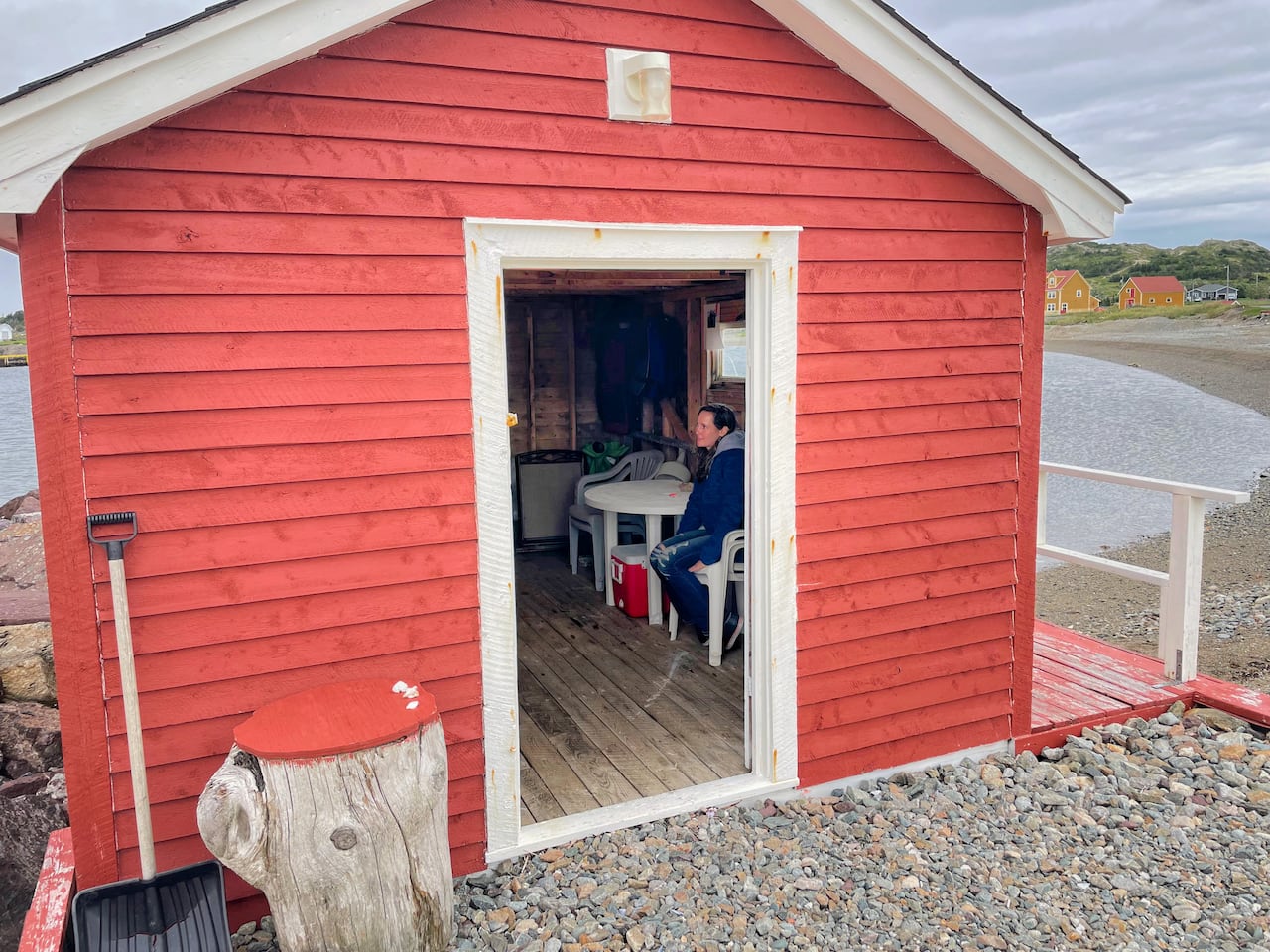
Saul, seen her inside a fishing stage, has made fast friendships in Twillingate. (Caroline Hillier/CBC)
“The first year I didn’t even have time to be nervous, and just my survival instinct was … fake it till you make it. Just don’t think about it” she said.
“But like my second year I was like, can I actually do this?”
There were long days maintaining her boats, unexpected repairs, and a particularly bad stretch of grinding and repairing fiberglass. Owning a fishing enterprise has given Saul independence, but at times, she said, the work feels all-consuming.
“I’ve had certain health issues crop up since getting my enterprise and they say it’s stress. The doctor says it’s stress related,” Saul said.
“I guess it is stressful, when there is all this money involved and people’s lives involved… and constant political upheaval and you’re always being thrown unexpected twists and turns.”
Even with the physical and mental pressures, the lobster, crab and cod, with its historic comeback, kept providing.
“Every single year since then has been even better,” she said.
An aging workforce
Saul believes there’s a future for young people wanting to make a living on the water. She’s not the only one hoping more young people will consider it, as Newfoundland and Labrador’s fishing industry faces a demographic challenge.
According to the Fish, Food & Allied Workers union, about a third of Newfoundland and Labrador’s fish harvesters are older than 54. Many are expected to retire within 10 years, and that will open up 2,400 jobs for crew and licence holders.
To avoid a labour shortage, the FFAW recently launched the N.L. New Harvesters Network; a place to connect people interested in the fishery with experienced fishermen.
The provincial government’s Labour Market Partnerships Program funded the initiative at $1.2 million dollars over three years. The plan is to recruit new Canadians, young people at schools and career fairs, and offer to pair recruits with experienced fishermen.
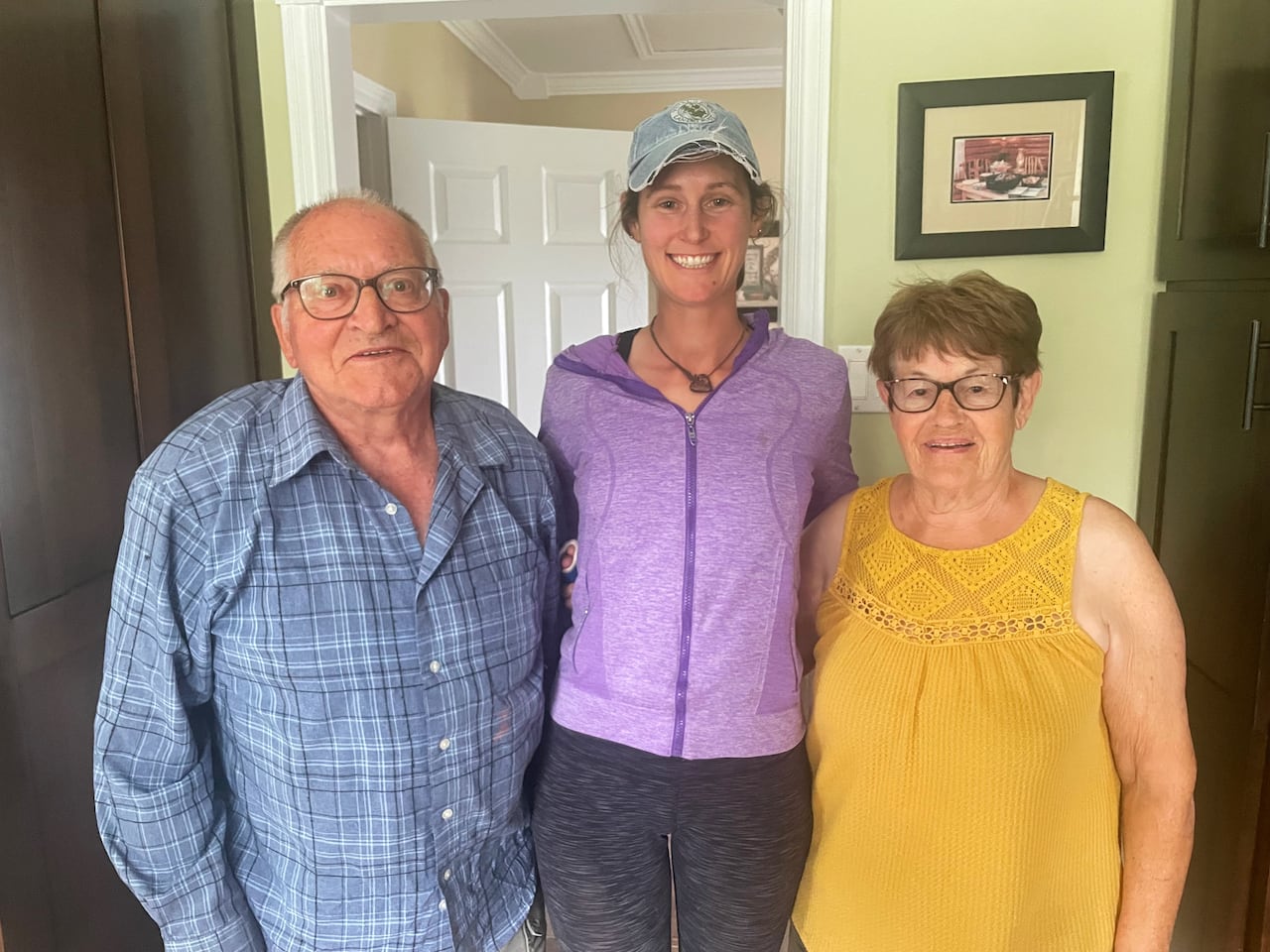
Howard and Ruth Linfield live across the street from Saul, and offer blueberry pies, vegetables from their garden, and even help with fishing. (Caroline Hillier/CBC)
A big part of the sell is showing that fishing is a viable job — where you can make big money, have flexibility, work in nature, and live a good life in rural Newfoundland and Labrador.
‘Exactly what my life needed.’
For Saul, fishing is more than a career, and Twillingate — where everyone seems to know her — is home.
Her closest friend, neighbour Howard Linfield, 80, helps her with the fall herring fishery and grows spinach for her in his impressive garden.
“There’s no stopping with Lilly… When she says something she’s gonna do it,” said Linfield.
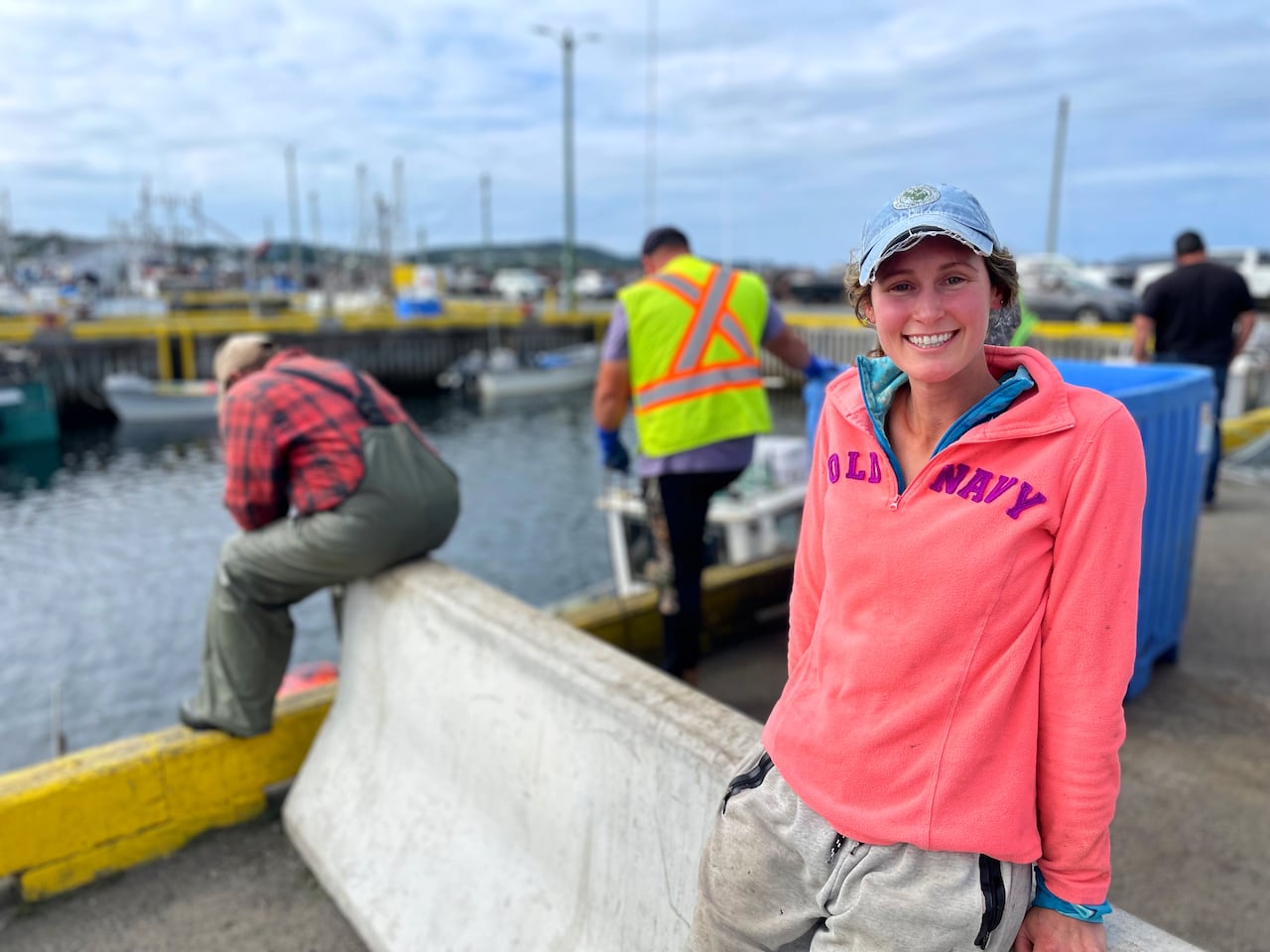
After her third season of fishing in Twillingate, Saul has bought a new 40-foot fishing vessel to replace Lilly’s Leap. Her new boat is called Maidenhaven. (Caroline Hillier/CBC)
With her permanent residency in hand, Saul is now in the process of obtaining Canadian citizenship. And she’s continuing to invest in her future. Saul has put her original boat, Lilly’s Leap, up for sale, as she’s upgraded to a 40-foot vessel.
“I can’t really picture like, just giving it up and doing something else,” she said.
Fishing has given her a purpose, she said, and a sense of fulfillment.
“As long as I can make a living doing this and keep growing and learning and I’m learning more things every single day, then I don’t really know what else like I could ask for.”