

Listen to this article
Estimated 3 minutes
The audio version of this article is generated by AI-based technology. Mispronunciations can occur. We are working with our partners to continually review and improve the results.
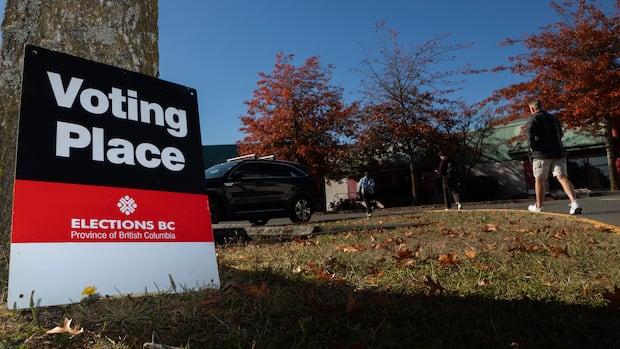
The preliminary turnout for the 2026 B.C. provincial election was lower than the 2020 COVID-19 pandemic-affected vote, Elections B.C. says.
According to preliminary figures, turnout for the snap election was 48.06 per cent — lower than the 53.86 per cent of voters that showed up to polls in 2020 amid pandemic restrictions.
One expert says the turnout may have affected the results of the election — a humbling defeat for the B.C. NDP, whose leader David Eby called the election a little over a month ago.
Sanjay Jeram, a political science lecturer at Simon Fraser University, said voters disenchanted by the NDP’s record over the last nine years in office or Eby’s leadership may not have cast a vote.
“The way things turned out with the Conservatives running a relatively safe campaign, I think people who just felt comfortable … or not concerned or scared by the Conservative leader, just decided to stay home,” he said.
In 2024, the B.C. Conservatives received just over 900,000 votes, with preliminary figures showing they had received over 860,000 this time around.
In contrast, the NDP’s vote cratered — from over 950,000 votes in 2024 to just under 670,000 votes.
Jeram also pointed to the soggy weather throughout B.C., as a factor in potentially lower voter turnout.
Advance voting figures were down 11 per cent for this election compared to 2024, reversing a decade-old trend.
WATCH | Eby’s concession speech as he resigns as B.C. NDP leader: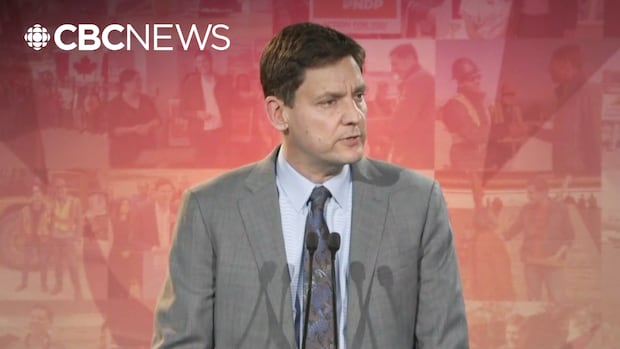
FULL SPEECH: David Eby concedes and resigns as NDP leader
Higher municipal turnout
While the voter turnout on Saturday was lower than the last two provincial elections, it was still higher than the municipal election that happened one week earlier.
Local and provincial candidates said the overlapping elections were causing much confusion among voters whom they spoke to.
But municipal voter turnout, overall, was higher than the previous 2022 election — and some large B.C. municipalities saw their highest turnouts ever.
Jeram said that there was a growing trend of people feeling more connected to their communities, which could explain the uptick in municipal voting turnout.
“Municipal politics tends to bring out less partisanship, which at the moment I think is speaking to people … who are tired of, kind of, like the right-left sort of discussion,” he said. “So that could be something to look into.”