
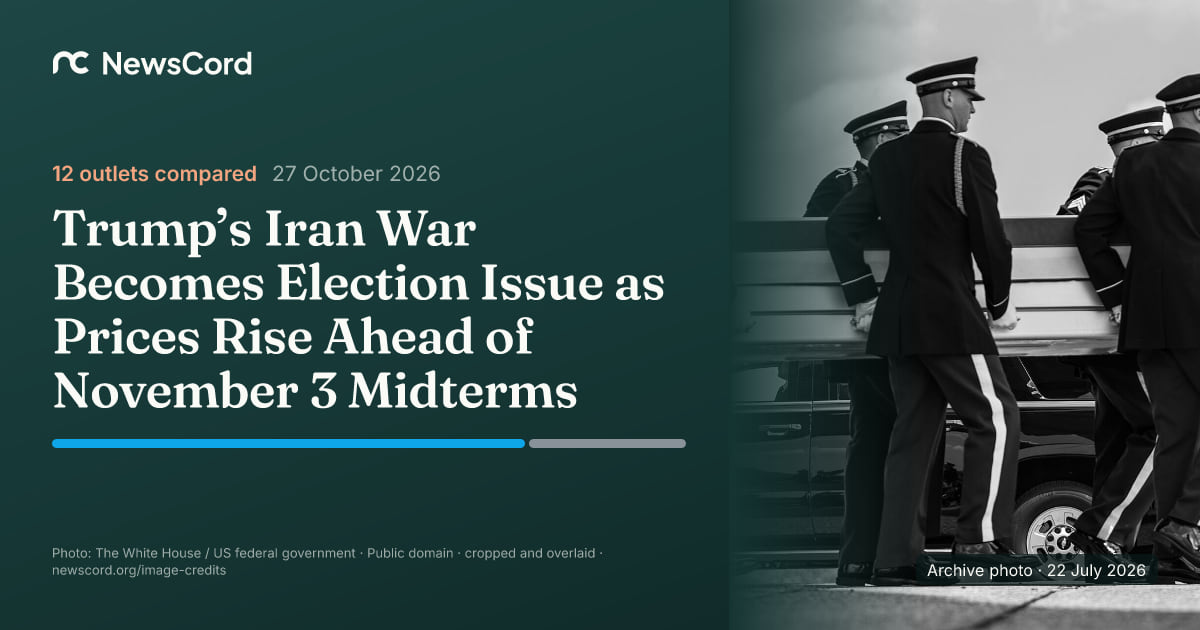
Midterms and Iran War
President Donald Trump’s war with Iran has become a domestic political issue ahead of the U.S. midterm elections, as voters weigh it against rising fuel and consumer prices and the cost of living. A Reuters/Ipsos poll cited in the reporting said “about 78 percent of Americans blame Trump’s policies for higher prices,” and the same reporting tied that economic pressure to the election’s stakes. Mahmoud Vaezi, head of the Office of Hassan Rouhani in the 12th government, argued that “If only 10 days remain until the Congressional elections, the decision to start war could be politically costly for Trump and the Republicans.”
“If only 10 days remain until the Congressional elections, the decision to start war could be politically costly for Trump and the Republicans.” خبرآنلاین
The reporting also said the election is scheduled for November 3, with Americans voting for all 435 members of the House of Representatives and about one-third of the Senate seats. The reporting framed the political calculus as intertwined with war and negotiations, while Trump pledged not to issue orders for new strikes on Iran before the election.
Congressional leverage
The reporting said Democrats argue that Republicans allowed the Trump administration to declare war and control spending, even though the U.S. Constitution gives Congress these powers.
The reporting stated that Trump did not obtain congressional approval before he launched the war on Iran on February 28, and it said Democrats repeatedly voted to end the fighting unless he gets this approval.
The reporting described a scenario in which Democrats could curb the Iran war by cutting defense spending to pressure Trump to secure congressional approval to continue the war, and it said Democrats could compel administration officials to testify publicly about their plans.
The reporting also said the midterm elections are scheduled for November 3 and that the election covers all 435 members of the House of Representatives and 35 Senate seats.
Independent analysts in the reporting said Democrats have a real chance of winning control of the U.S. House of Representatives and perhaps the Senate in the November 3 midterms.
What changes after votes
The reporting said the election results could affect how much political support Trump has in Congress during the remaining two years of his term, and it said that for Iran a shift in Washington’s balance of power could affect the administration’s ability to continue military operations and the prospects for reaching a settlement. The reporting also said the Congress elected in November does not assume its powers until January, creating a gap during which the administration can make military or diplomatic decisions before the balance of power shifts. The reporting described a scenario where Republicans retain majorities in both chambers, saying Trump could have a wider political margin to pursue his policy toward Iran with reduced likelihood of strong institutional opposition from Congress leadership.
The reporting said a transfer of control to Democrats could increase political and oversight pressure on the U.S. administration, especially regarding the war aims with Iran, its costs, and its duration. The reporting framed the core uncertainty as whether electoral shifts change the political cost Trump bears in upcoming decisions, rather than determining by themselves whether the United States will continue war with Iran.
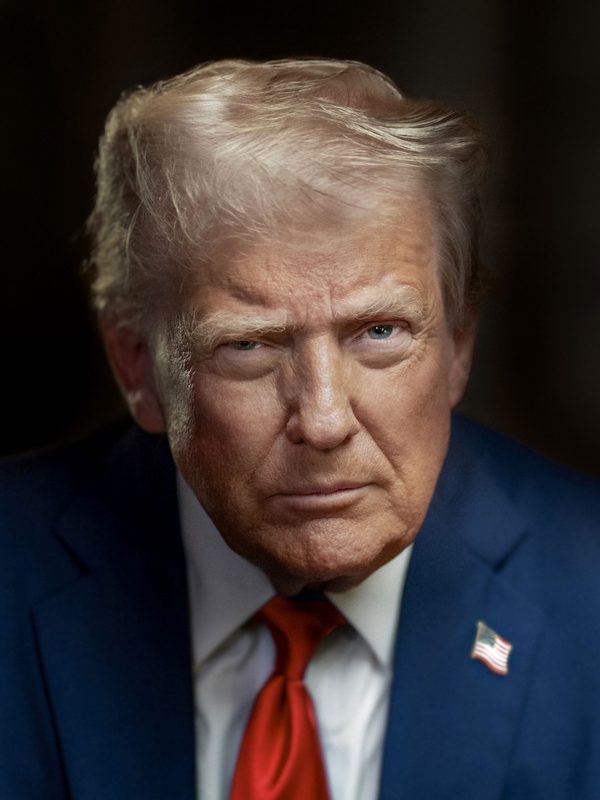 official studio portrait of a man in suit, US flag backdrop2 June 2025 · Archive photoPhoto: Daniel Torok / US federal government, Public domain