

Listen to this article
Estimated 3 minutes
The audio version of this article is generated by AI-based technology. Mispronunciations can occur. We are working with our partners to continually review and improve the results.
Nova Scotia Premier Tim Houston’s office has criticized a Toronto professor for making “slanted comments” about a proposed artificial intelligence data centre in Cape Breton.
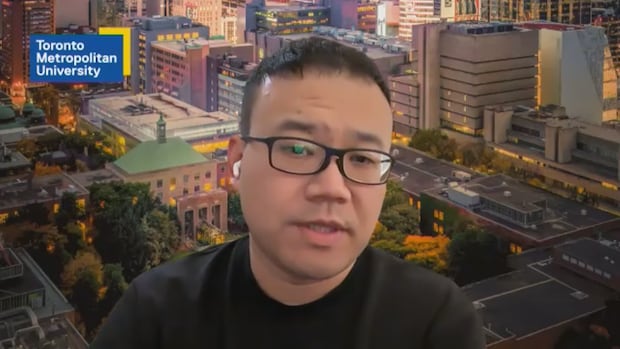
Sibo Chen, an associate professor of communication at Toronto Metropolitan University who researches the discourse around AI data centres, said in an interview with CBC News last week that public concern over the proposed facility in Point Tupper, N.S., is valid.
Two days later, a communications adviser in the premier’s office sent him an email that called his remarks “irresponsible” and “uninformed.”
“Nova Scotians deserve facts, not speculation presented in a way that creates unnecessary anxiety,” William Burns wrote in the email.
Nova Scotia NDP Leader Claudia Chender said last week her party has heard from thousands of people since EverWind Fuels announced its plan for an AI data centre that it plans to lease to artificial intelligence giant Anthropic.
Burns asserted in his email that Chen had not done sufficient research before commenting on the project. He pointed out Richmond County Warden Lois Landry, in a separate interview with CBC News , had addressed a number of the concerns Chen raised about local infrastructure, including water supply and the electrical grid.
CBC News has asked the premier’s office for comment but has yet to receive a response.
WATCH | Why Nova Scotia’s AI data centre feels like a surprise reveal: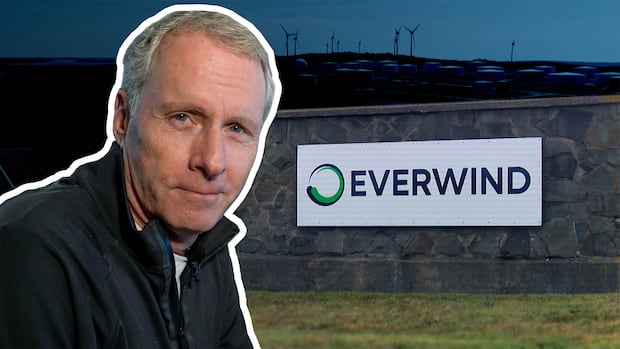
Why Nova Scotia’s AI data centre feels like a surprise reveal
Construction of Nova Scotia’s new AI data centre in Point Tupper is well underway, yet so many people were surprised to learn about it. The CBC’s Tom Murphy pieces together the timeline.
Data centres have become a flashpoint across Canada, especially those that power AI, because they can have huge footprints and require vast amounts of energy and water for cooling.
Chen told CBC News on Monday that he was surprised by the response from the premier’s office and said it’s the first time he’s had such a complaint levelled against his work.
“I have been writing actually critically about Alberta’s oilsand extraction for a very long time, and I have never received a complaint from the premier’s office of Alberta.”
The email was copied to Chen’s department chair at Toronto Metropolitan University, formerly Ryerson University, a step Chen interpreted as an attempt to exert institutional pressure. A reporter at CBC Nova Scotia who interviewed Chen was also copied.
The email also referenced Chen’s “list of publications and research,” noting that his work often focused on media perception rather than environmental expertise.
Chen said the response from the premier’s office is an attempt to restrict who gets to make public comments, and he said it reinforces his belief in maintaining public engagement.
In his written reply to Burns, Chen defended his objectivity and shared published research on the environmental footprint of data centres. He said he had received no further reply.
MORE TOP STORIES