
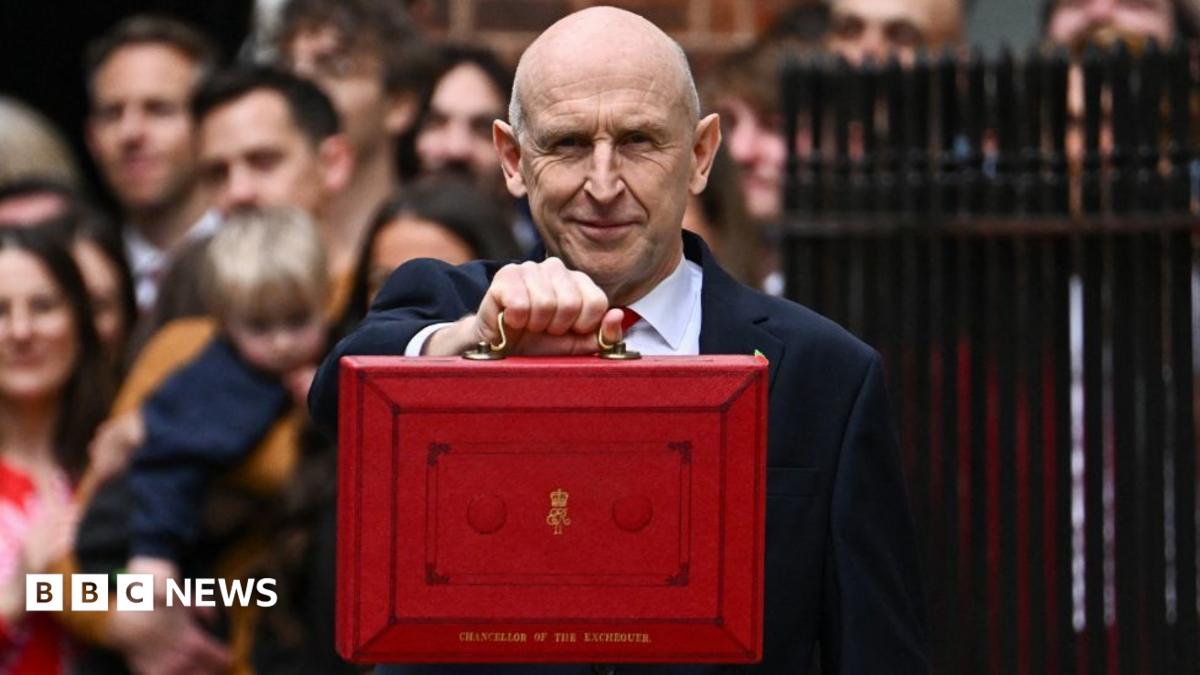
Many of the measures announced in the chancellor’s Budget apply directly in Scotland.
This is the case with UK-wide taxes, such as fuel and alcohol duty, as well as decisions on policy areas controlled by Westminster, including the state pension and minimum wage.
The Scottish government has extensive devolved powers, with control over income tax rates, health, education, policing and more. That means that announcements in the UK Budget relating to those areas will not apply directly in Scotland.
However, they do have a knock-on impact on how much funding the Scottish government gets from the Treasury, which aims to give devolved nations roughly a population-share of changes in spending in England.
Officials on both sides of the border will now be calculating how much cash is coming to Scotland in 2026-27, with Scottish Finance Secretary Jenny Gilruth due to announce her Budget on 3 December.
Scottish Conservative leader Russell Findlay described the Budget as “a damp squib which will do nothing to boost economic growth”.
Scottish Greens co-leader Ross Greer said: “This budget was Andy Burnham’s chance to follow through on his lofty promises, and he has fallen short at the first hurdle.”
Scottish Liberal Democrat leader Alex Cole-Hamilton argued the chancellor “should have done more to bring energy bills down, slashed fuel duty and reduced VAT on our pubs, restaurants and cafes”.