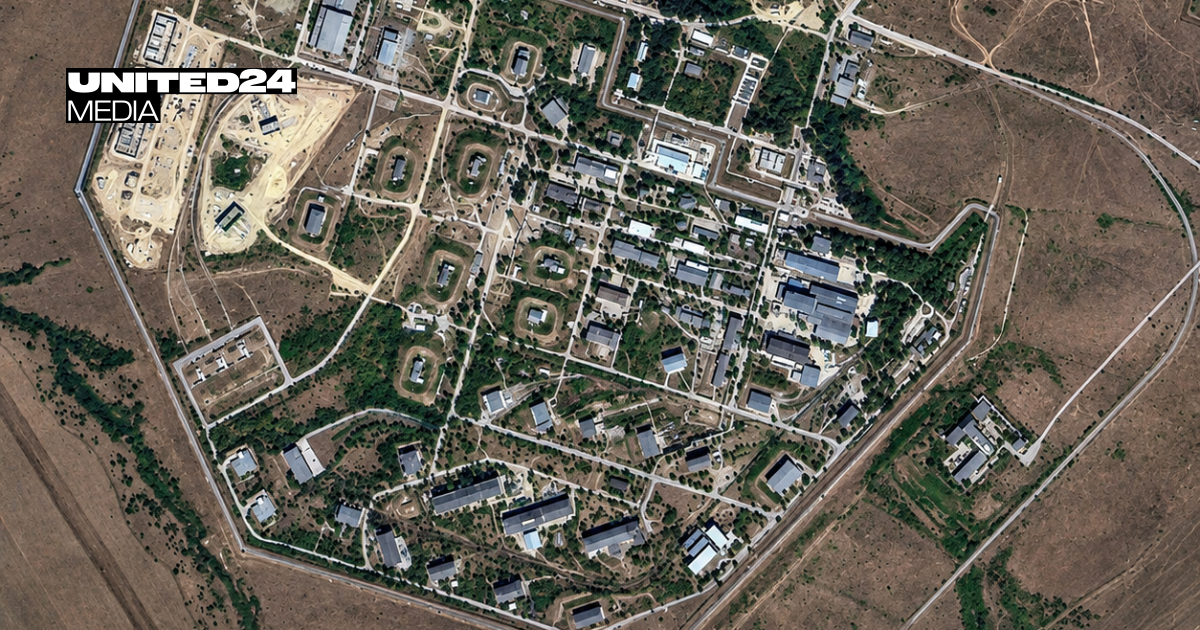
Ukrainian Neptune missiles and attack drones struck a major Russian rocket fuel production facility in the Rostov region overnight on October 31, igniting a warehouse and damaging four production workshops at a plant supplying fuel for Russia’s multiple-launch rocket systems.
We bring you stories from the ground. Your support keeps our team in the field.
According to Ukraine’s General Staff on October 31, the coordinated attack targeted the Kamensky Combine in Kamensk-Shakhtinsky, a facility involved in producing solid rocket propellant for several Russian weapons systems.
The operation involved Ukrainian attack drones and Neptune coastal missile systems operated by the Ukrainian Navy.
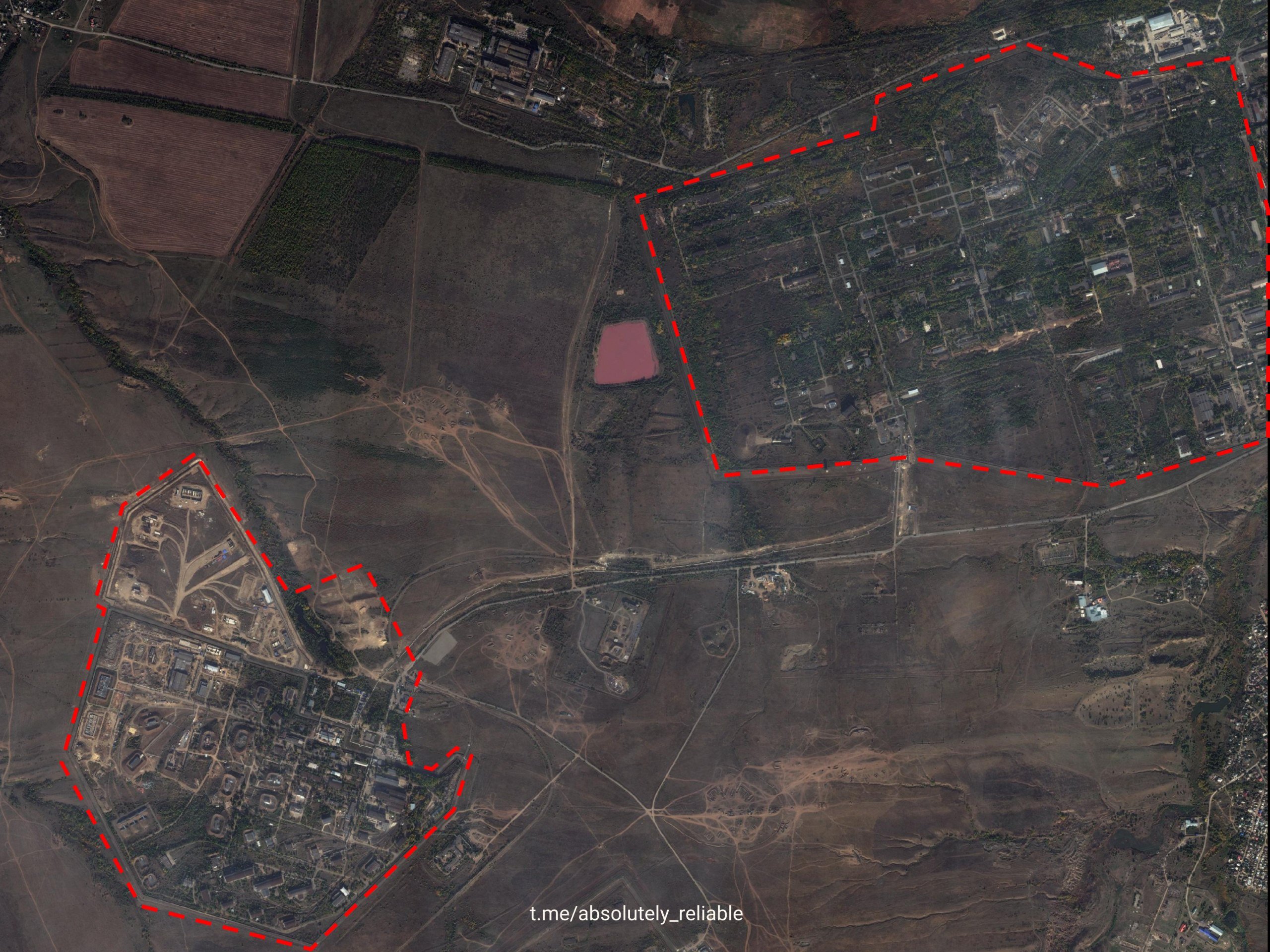
Satellite image of Russia’s Kamensky Combine rocket fuel plant in the Rostov region, struck by Ukrainian missiles and drones on October 31, 2026. (Source: absolutely_reliable/Telegram)
The General Staff confirmed that a warehouse containing finished products caught fire, while four production workshops sustained damage. The extent of the damage and its potential impact on production capacity have not yet been independently established.
The Kamensky Combine manufactures solid rocket propellant used in ammunition for Russia’s Uragan, Smerch, and Tornado-S multiple-launch rocket systems. Its products are also used in other missile systems and air-launched weapons.
Solid rocket propellant is a critical component of these weapons, providing the thrust needed to launch and propel rockets toward their targets.
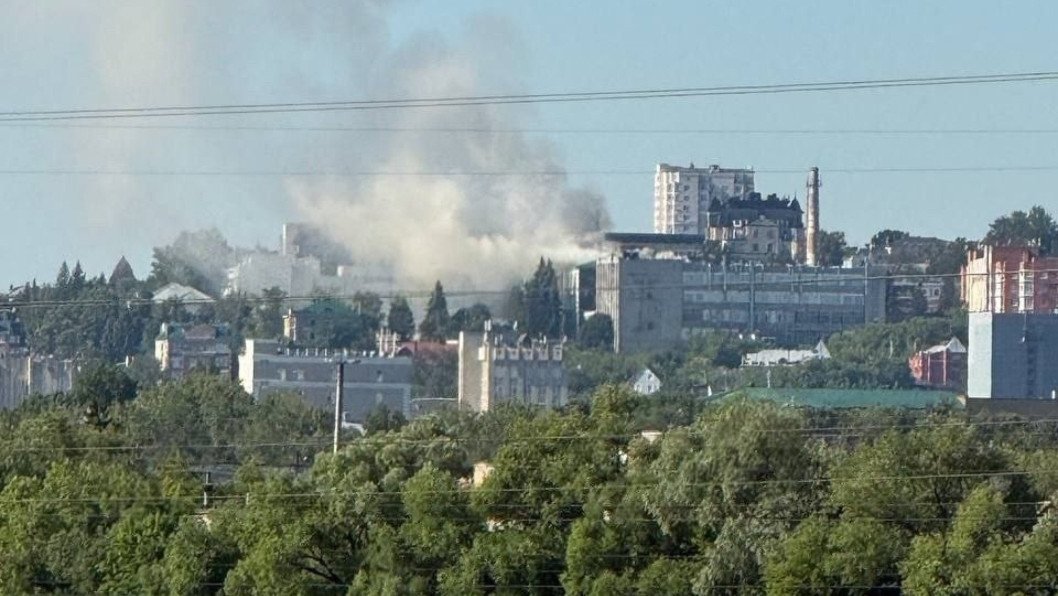
Read more
CategoryWar in UkraineUkraine Is Hunting Russia’s Missile Factories, Striking Key Links in the Chain. Here’s What It Has Hit
Aug 24, 2026 17:50
Disruptions to its production could affect Russia’s ability to manufacture ammunition for systems used against Ukrainian military positions and populated areas. Satellite imagery showing the reported aftermath of the attack was also published by the OSINT project Absolutely Reliable Source.
Just two days before the missile and drone strike, the ATESH partisan movement reported sabotaging electrical infrastructure at the same facility on October 29. According to the group, damage to a power distribution node caused localized disruptions to the plant’s operations, requiring repairs before normal production could resume.