
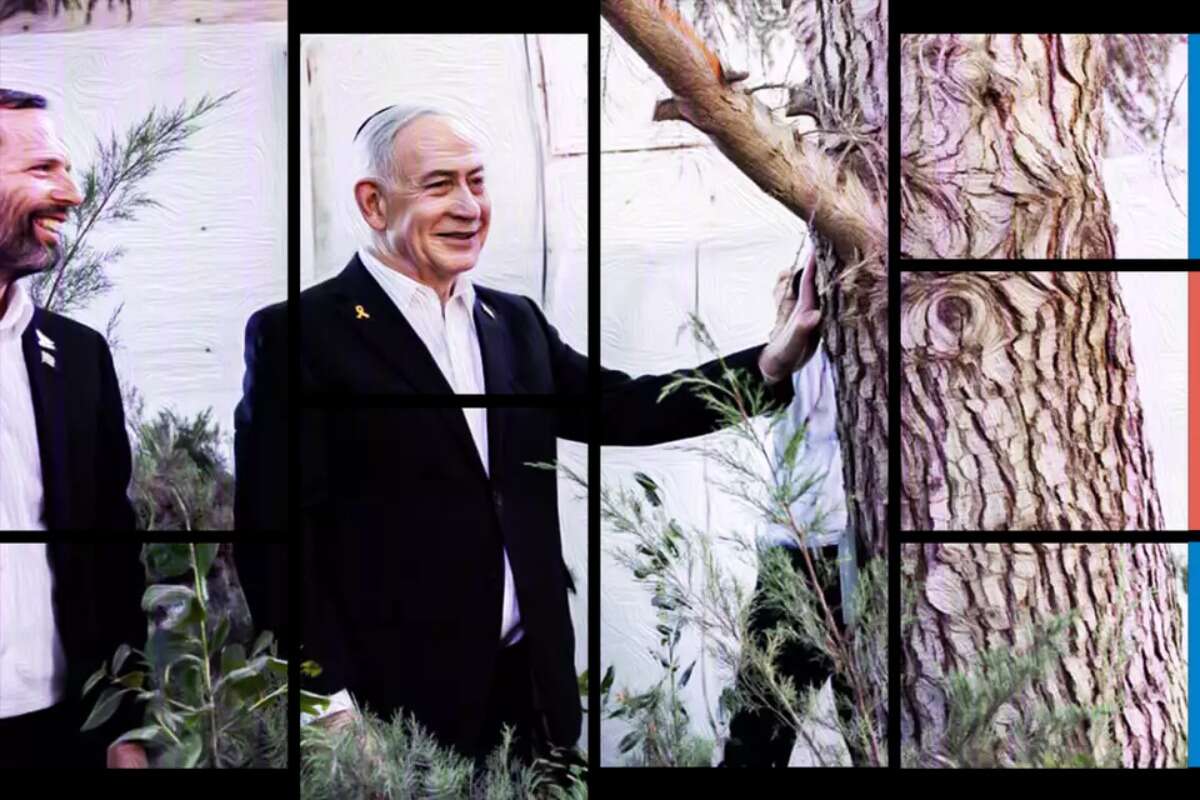
For example, Maj. Gen. (res.) Yoav (Poli) Mordechai, suspected of contact with a foreign agent and bribery in the same Qatargate. Mordechai holds an extremely sensitive position, deputy to Maj. Gen. (res.) Nitzan Alon, who is in charge of the hostages and missing persons issue. And here, it turns out that the man has no problem with the fact that someone suspected of receiving bribes from Qatar holds a sensitive position that naturally touches on negotiations with that same Qatar. Here, there are no demonstrations; here, the police don’t go out of their way for his removal from the sensitive front; here, there’s no concern about obstruction of justice, and no media campaign.
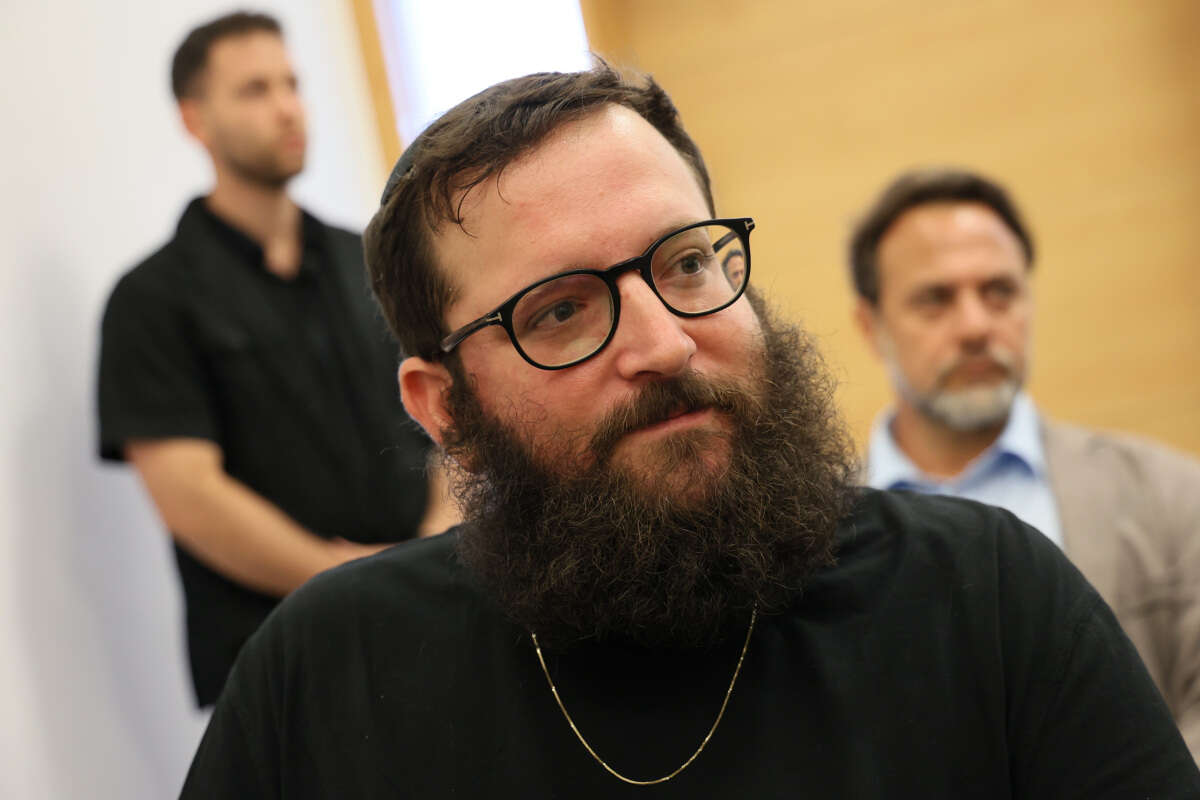 Jonatan Urich (Yehonatan Shaul)
Almost no one attacks the IDF when it rallies behind him for his benefit in a special statement: “The acquaintances of Maj. Gen. (res.) Mordechai with the Arab world and Qatar, and his business activities have been known to his commanders since the beginning of the war, including proper disclosure that was made on the subject. Since the beginning of the war, Mordechai has been fully harnessed to the hostage headquarters. He does not conduct direct negotiations with the mediators, but his contribution is most significant and sometimes even critical to the effort. All along, professional positions were courageous and without bias, and contributed greatly to the work. The IDF thanks him for his investment in the 19 months that have passed and expects he will continue his important contribution.”
If only it would really be decided to cut out the Qatari cancer growth in the heart of the security and political establishment in Israel. For example, when it becomes clear why the heads of the IDF, Shin Bet, and Mossad were hosted in the VIP box in the World Cup quarterfinal. They all claimed then that it was a professional visit for security purposes, because it’s known that one can oversee spectators’ security only from a premium box at $8,000 per head with free whiskey.