
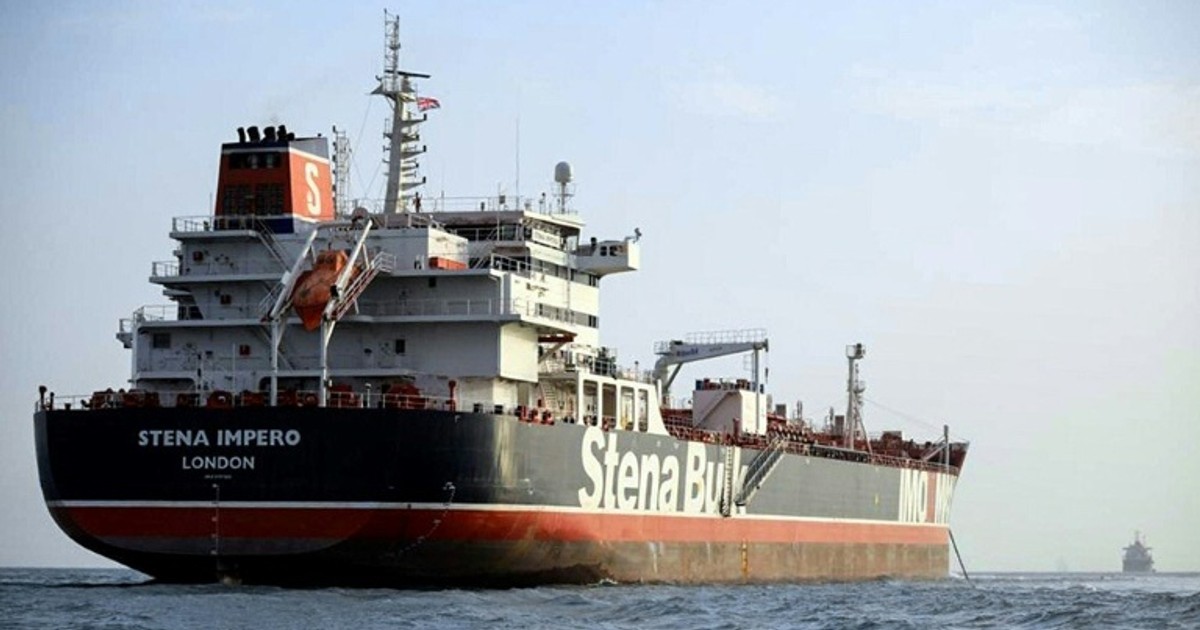
Amir Hayat Moqaddam, deputy chairman of Iran’s parliamentary National Security and Foreign Policy Committee, said vessels from the four countries could pass through the strategic waterway without interference.
He made the remarks to the Iranian Students’ News Agency, which were reported by Iranwire and subsequently cited by the South China Morning Post.
Moqaddam said the exemptions were based on strategic interests, with India facilitating pharmaceutical supplies to Iran and China’s preferential treatment intended to secure political support from Beijing.
Iran reportedly charges Chinese and Indian vessels transit fees, while Qatari ships pass free of charge. The terms for Iraqi vessels remain unclear.
The exemptions build on earlier arrangements, with Iran’s military command announcing in April that Iraq was exempt. Wolfgang Pusztai, a security analyst and Austria’s former defence attaché to Libya, told Al Jazeera the move was likely intended to support Iraq’s economic recovery.
The announcement comes as the United States maintains a naval blockade on Iranian ports, raising questions about whether Tehran’s exemptions can operate without triggering a confrontation with American forces.
Iran’s move could complicate shipping and energy supplies to Africa
The US Central Command has said its blockade applies to vessels of all nationalities entering or leaving Iranian coastal areas and ports, although ships that do not call at Iranian ports are not affected.

This means Iran’s exemptions do not automatically protect vessels from US enforcement if they trade with Iranian ports.
Al Jazeera explains that Iran’s exemptions could undermine the US naval blockade by allowing vessels from key trading partners such as China and India to continue accessing Iranian ports, forcing Washington to choose between enforcing its restrictions and risking a confrontation with countries whose ships it intercepts.
The development also matters to African economies exposed to disruptions in Gulf shipping, particularly through higher fuel and fertiliser costs.
The Strait of Hormuz handled an average of 20 million barrels of crude oil and petroleum products daily in 2025, representing about a quarter of global seaborne oil trade, according to the International Energy Agency.
Kpler estimates that gasoline, diesel and jet fuel shipments routed through the strait accounted for 42% of total refined-fuel inflows into East and Southern Africa in 2025, leaving the regions vulnerable to prolonged shipping disruptions.
Agriculture is also exposed. UN Trade and Development data show that Gulf-origin fertiliser accounted for 54% of Sudan’s seaborne fertiliser imports in 2024, alongside 31% for Tanzania, 30% for Somalia and 26% for Kenya.
For African economies already contending with high fuel-import bills, currency pressures and rising transport costs, continued disruption could increase energy and food inflation.
Although no African country was named among Iran’s exemptions, the arrangement show how geopolitical decisions over access to the waterway can have consequences far beyond the Gulf.