
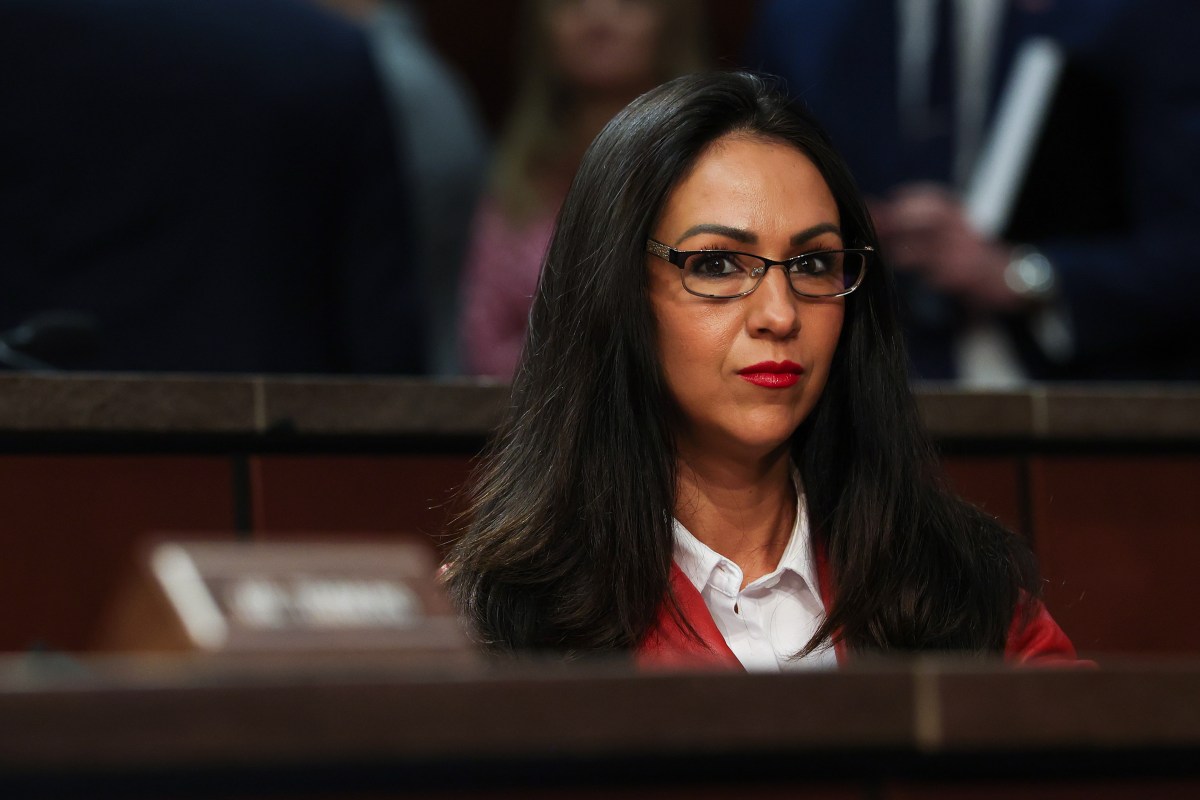
An attorney for Lauren Boebert’s re-election bid has said her team is “investigating some very unusual voting patterns” as the Colorado republican remains just behind Democrat Eileen Laubacher in her battle to secure re-election to the House.
Laubacher, a retired two-star United States Navy rear admiral, led Boebert with 48.8 percent of the vote against 47.9 percent in the contest for Colorado’s 4th congressional district. Overall an estimated 97 percent of votes had been counted and another 12,000 outstanding, according to NBC News as of 7:30 a.m. ET on Friday.
Newsweek contacted Boebert and Laubacher’s election campaigns for comment Friday by email outside of working hours.
Read More on News
What Was Said
In a statement released by the Boebert campaign late on Thursday Scott Gessler, their attorney, said: “A significant number of votes remain outstanding in the race. We are fighting for every vote and will continue to ensure every legal vote is counted. Since election night, ballot returns have been trending in Congresswoman Boebert’s direction, consistently lowering the margin under one percentage point.
“We are investigating some very unusual voting patterns and expect this election to head to a recount, one way or another.”
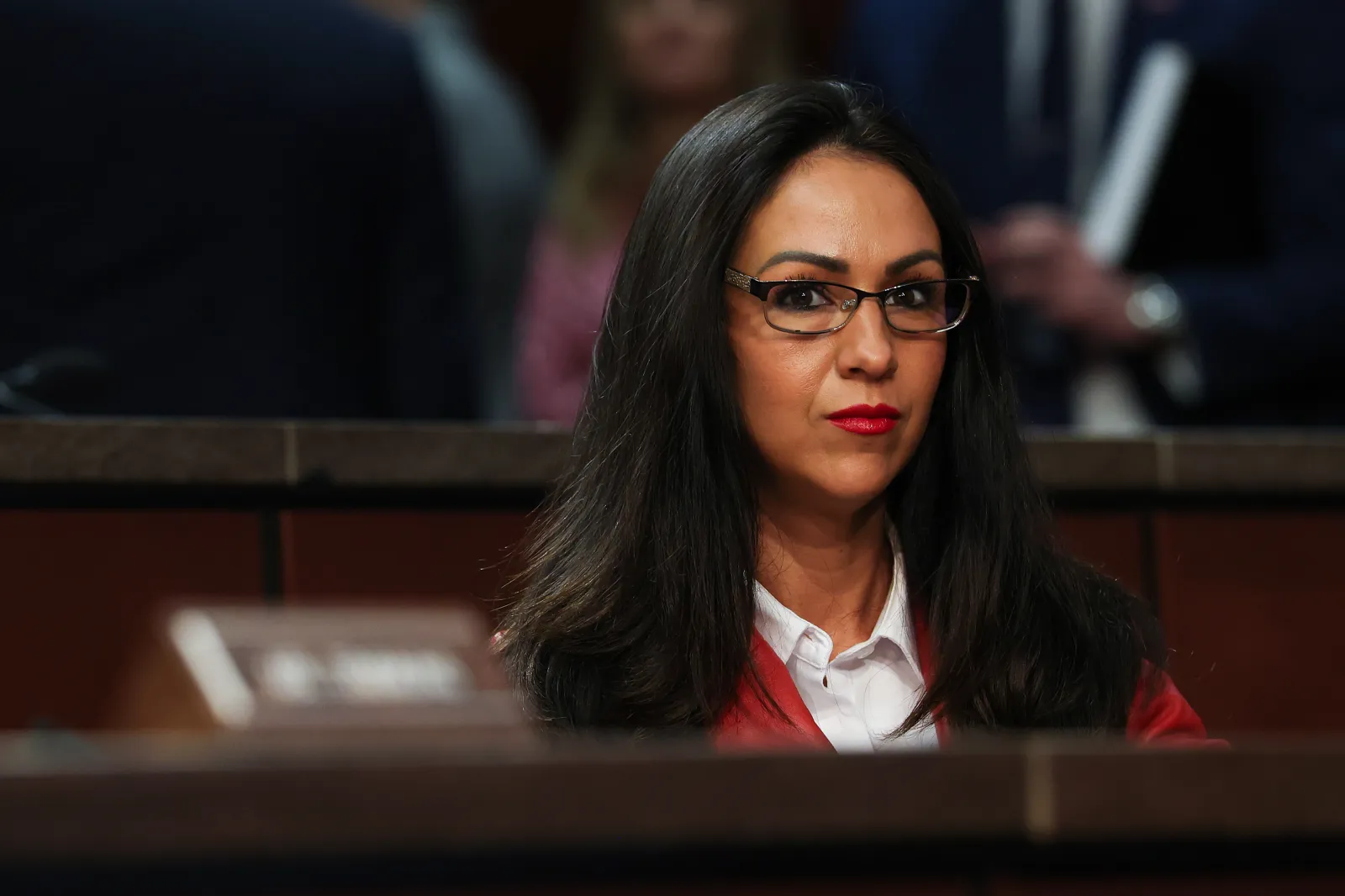
Gessler did not specify what “unusual voting patterns” the Boebert campaign has identified.
He added: “Every legal vote must be counted accurately, fully, and transparently. We will continue to investigate throughout the process to protect the integrity of this election and ensure Coloradans can have complete confidence in the results.”
What Happens Next?
Under Colorado state law an election recount is automatically required if the margin of victory is less than or equal to 0.5 percent of the vote.
Even if Boebert loses by more than this she still has the right to request a recount under Colorado Revised Statutes § 1-10.5-106(2) provided she makes a request in writing between 10 and 22 days of the election. However in this situation she would be required to pay for the recount, which must be completed within 35 days.
The comment from Boebert’s team about detecting “very unusual voting patterns” suggests they could be considering calling a recount and/or taking some form of legal action, if the threshold for an automatic recount is not met.
On Thursday 9News Denver reporter Kyle Clark said the number of votes cast in Republican leaning Weld County was less than expected, meaning: “Rep Rep Lauren Boebert’s path to a comeback win in #CO4 just got very difficult.”
On Bluesky he wrote: “Weld County Clerk Carly Koppes (R) tells me they’re done counting #CO4 votes (minus cures + ballots coming from other counties). Far fewer CO4 votes than expected due to a significant undervote.” Clark said the remaining uncounted ballots were “concentrated in counties Laubacher has carries.”
Contested Elections
The United States has seen a number of high profile contested elections in recent years, most notably in 2020 when President Donald Trump refused to accept the election victory of Democratic challenger Joe Biden and insisted the presidential election had been rigged against him.
On January 6 2021 hundreds of Trump supporters stormed Congress in a failed bid to stop the 2020 election result being certified. During the ensuing violence one Trump supporter was shot dead and dozens of police officers wounded.
Trump’s claim that the 2020 presidential election had been stolen from him was repeatedly rejected in court.
In 2022 Arizona Republican Kari Lake argued her defeat in the Arizona’s governor’s race to Democrat Katie Hobbs had been rigged. Her arguments also failed to make any headway when presented in court.
Colorado Results
Boebert’s seat is one of 25 yet to be called in midterm elections where Democrats already have a margin of nearly 100 over Republicans in the House.
If Boebert loses her seat, it would mean three gains for Democrats in Colorado, with one other currently uncalled seat looking a safe bet for the Republicans.
In Colorado’s Senate election, incumbent Senator John Hickenlooper defeated Republican challenger Mark Baisley by 60.2 percent of the vote against 35.3 percent to secure re-election.
Democrat Phil Weiser was elected as Colorado’s next governor with 60.8 percent of the vote against 33.5 percent for the GOP’s Victor Marx. He will replace the current Democratic Colorado governor Jared Polis.
Contact Newsweek editors on this story: Matthew Robinson and Trevor Davies