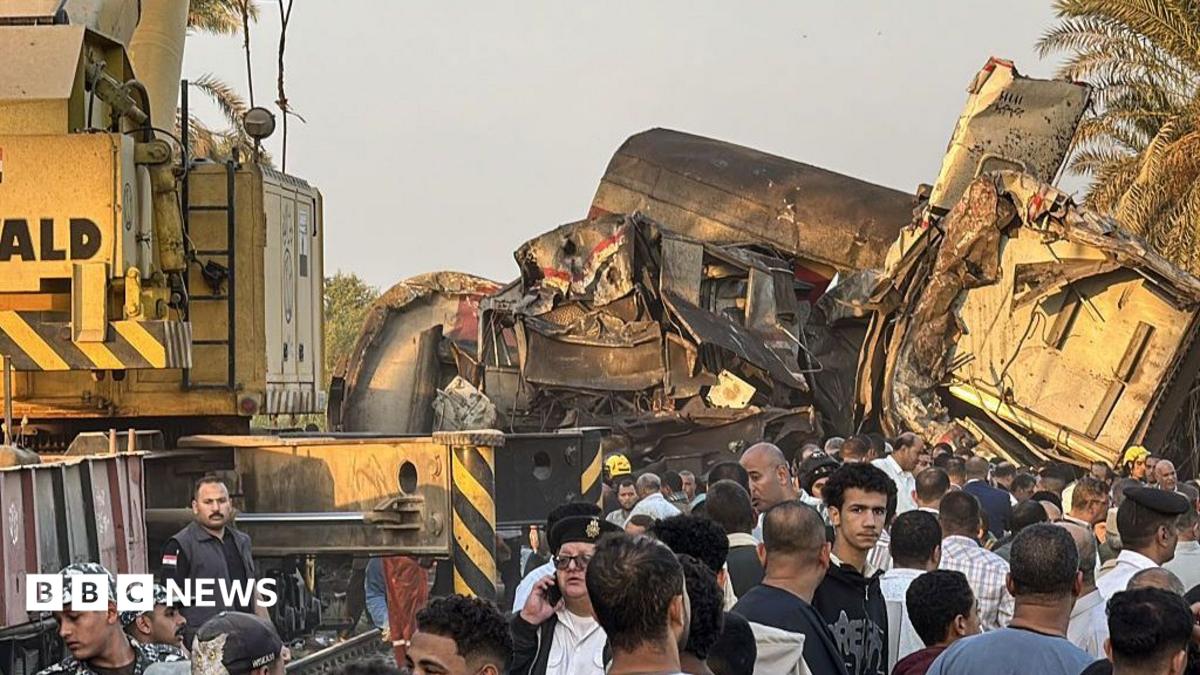
 Services involved in today’s collision are used largely by lower-income passengerspublished at 17:24 GMT
17:24 GMT
Wael Hussein
BBC News, reporting from Cairo
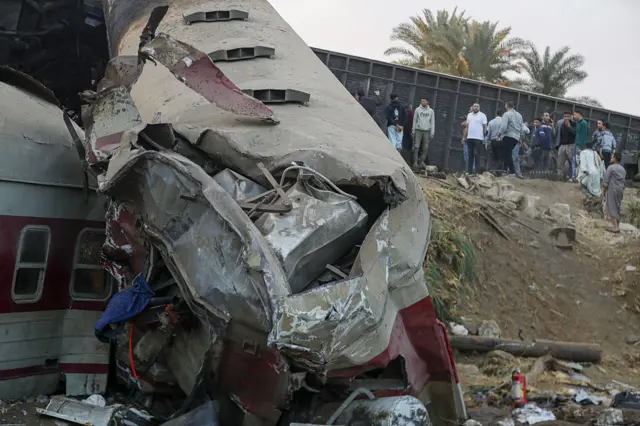 Image source, Getty Images
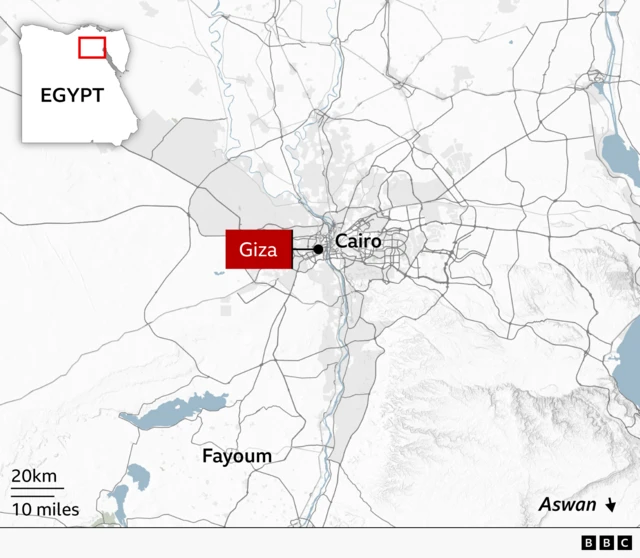
The two trains involved in Sunday’s collision serve very different journeys – but both are important transport links for ordinary Egyptians.
The first was travelling to Fayoum, around 100km (62 miles) from Cairo, while the second was heading south to Aswan, nearly 900km (559 miles) away.
Both services are used largely by lower-income passengers, for whom train travel is one of the most affordable ways to get around the country. Tickets for the shorter journey cost less than $1, while the longer trip to Aswan costs less than $10.
Getting eyewitness accounts and personal testimonies can take time.
Many passengers on these services come from poorer communities and may not own smartphones, meaning photographs, videos and first-hand accounts of what happened can take longer to emerge.