

Listen to this article
Estimated 3 minutes
The audio version of this article is generated by AI-based technology. Mispronunciations can occur. We are working with our partners to continually review and improve the results.
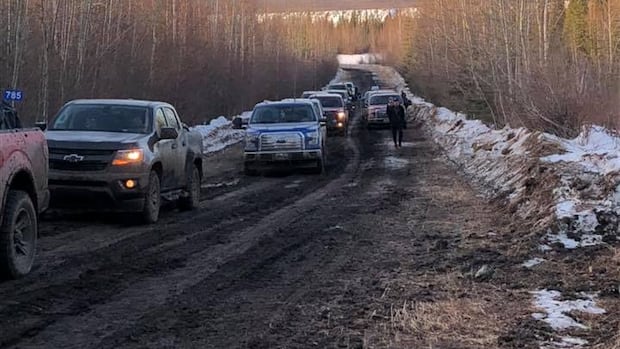
The Mackenzie Valley Highway is coming. But not everyone is sure the N.W.T. is ready.
In the federal budget announced last week, Ottawa committed $3.1 billion to build the proposed highway — an 800-kilometre all-season road that would connect the last stretch of Highway 1 at Wrigley to the Dempster Highway in Inuvik. The budget also included $187.4 million over five years for a “project management entity.”
The proposal has been discussed for decades. It’s being touted as a job-creator while under construction, and a potential salve to the high cost of living once complete, reducing reliance on seasonal transportation, lowering costs of shipping and supporting national defence.
But will those benefits stay in the North?
“I don’t think we’re ready,” Michael Miltenberger told Shannon Scott on The Trailbreaker. He’s a former environment, finance and health minister in the N.W.T.
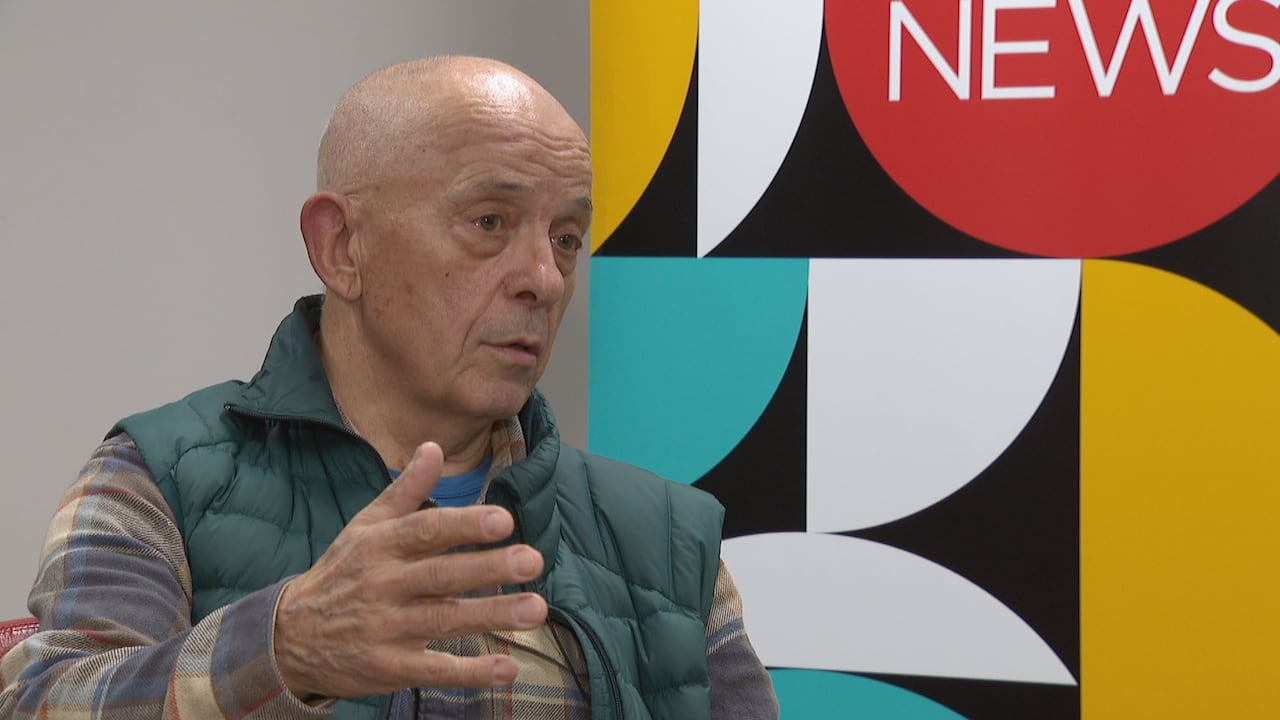
Michael Miltenberger, a former environment, finance and health minister, is raising concerns about how the N.W.T. government can avoid being treated as a junior partner in the project. (Allister McCreadie/CBC)
“Canada, to their credit, is going to build the road, but rest assured that they’re going to make sure that they control all the key decision-making levers,” he said. “So the territorial government has to be very nimble, has to be very responsive. We’re going to become a bit of a junior partner here because we don’t have money on the table.”
He sees the N.W.T. standing in its own way, between the way the government functions and deficiencies, especially at Aurora College, in training programs to get Northerners ready to take active roles in the project.
“This is probably the most assertive, aggressive budget that I’ve seen. And we know the prime minister is not wasting time,” said Miltenberger. “But the territorial government cannot avoid having to make decisions, structural decisions, because we’re not ready. What we do is not conducive to creating the conditions for a strong economy.”
The economic potential however is what has some Northerners jubilant.
“People are, I think, pretty excited,” said Inuvik Mayor Peter Clarkson. “This is the first big commitment as far as the national project in the territories. So I think that’s, you know, welcome news at all levels.”
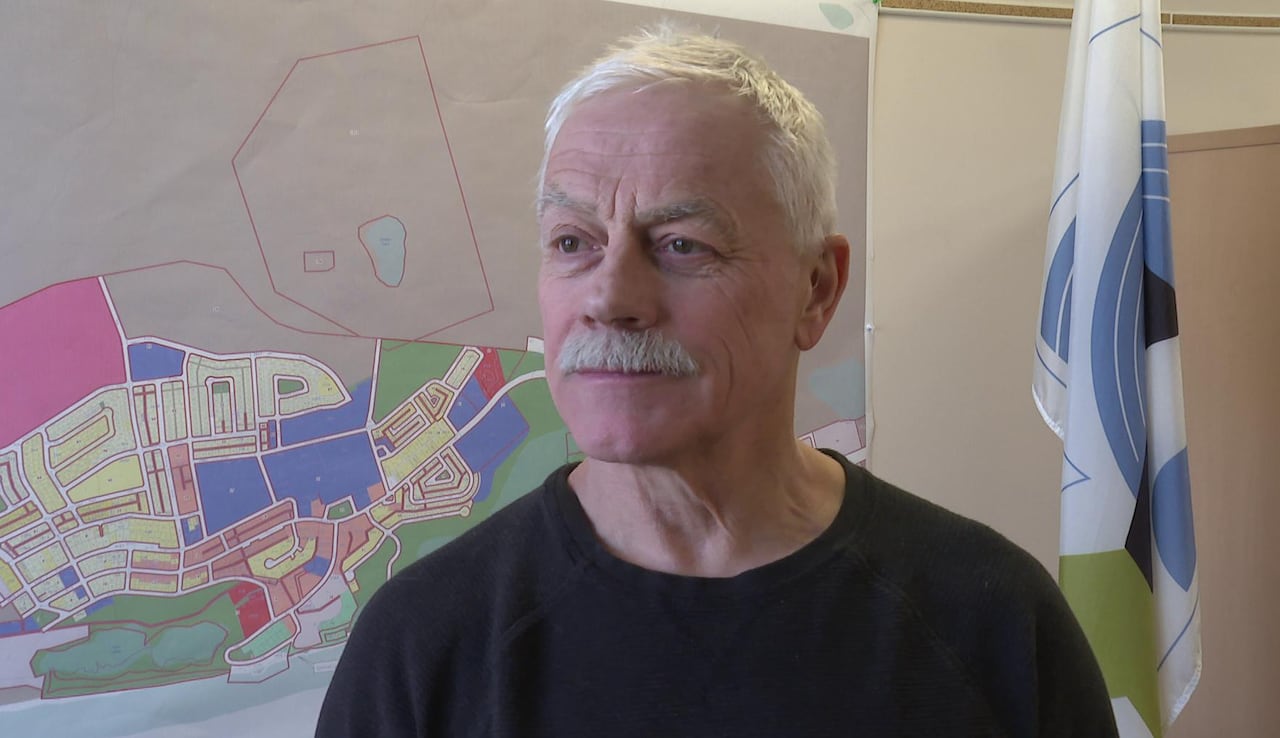
Inuvik Mayor Peter Clarkson says the news of the highway has been greeted with excitement in his community. (Dez Loreen/CBC)
He points to the project bringing jobs, and infrastructure that could reduce the cost of goods shipped into his community, as well as the potential for tourism dollars once the highway is complete.
But others in the territory are concerned tourists and cash won’t be the only things arriving with the highway.
“If we’re not ready, if the federal government don’t throw big money to safety of communities, we’re going to have a problem here,” said Dene National Chief George Mackenzie. “There’s [a] drug and alcohol problem right now. Most likely it will rise. So we need that money badly to prepare ourselves for the Mackenzie Highway.”
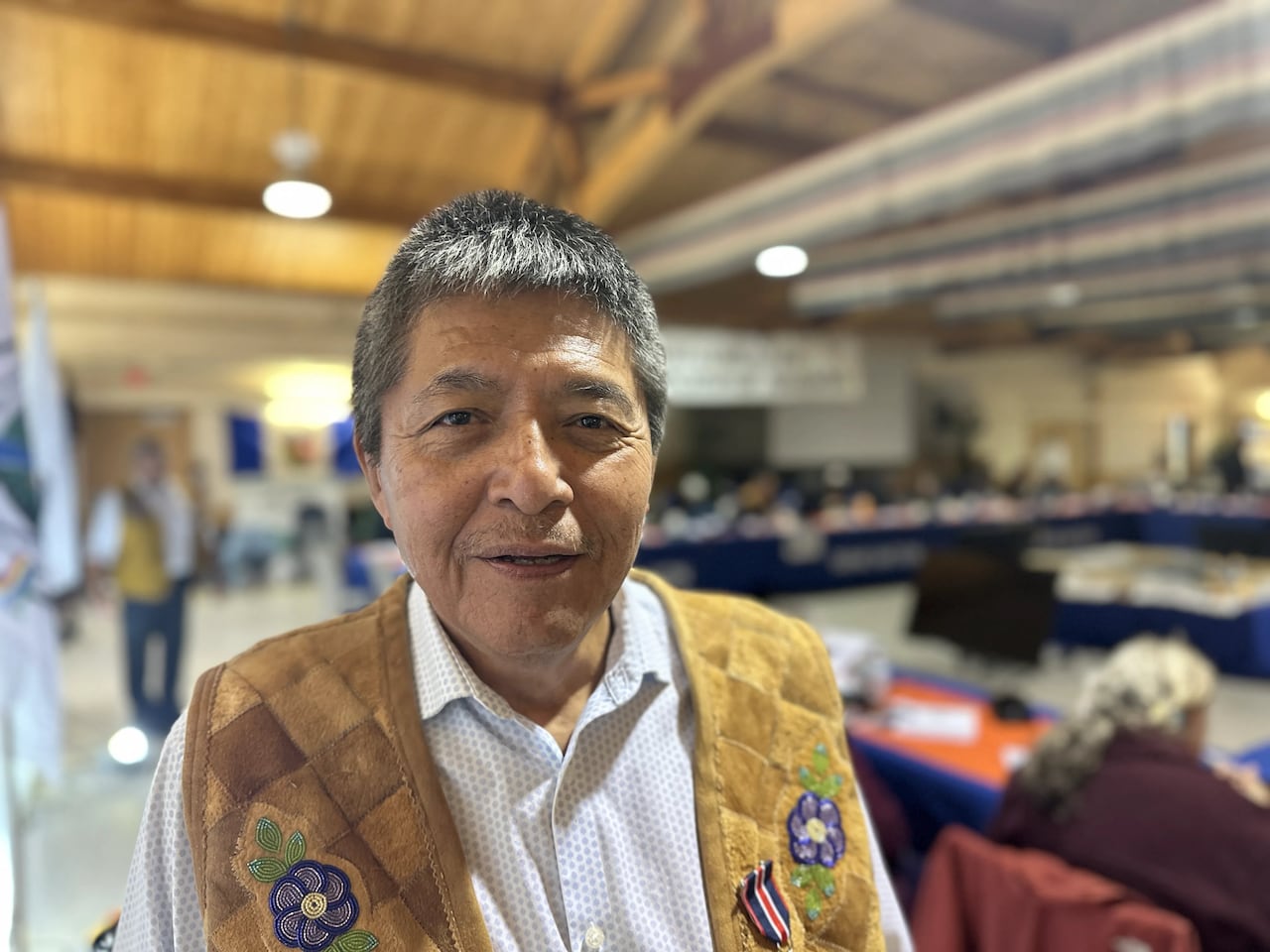
Dene National Chief George Mackenzie wants to make sure the highway doesn’t bring more problems to Dene communities. (Devon Tredinnick)
Mackenzie says the Dene welcome the project but added he was among other Indigenous leaders in raising concerns about how procurement policies will ensure benefits stay in the communities.