
Nov. 9 (UPI) — Iran on Sunday warned the United States to accept its proposal for ending the war and opening the Strait of Hormuz or risk renewed fighting.
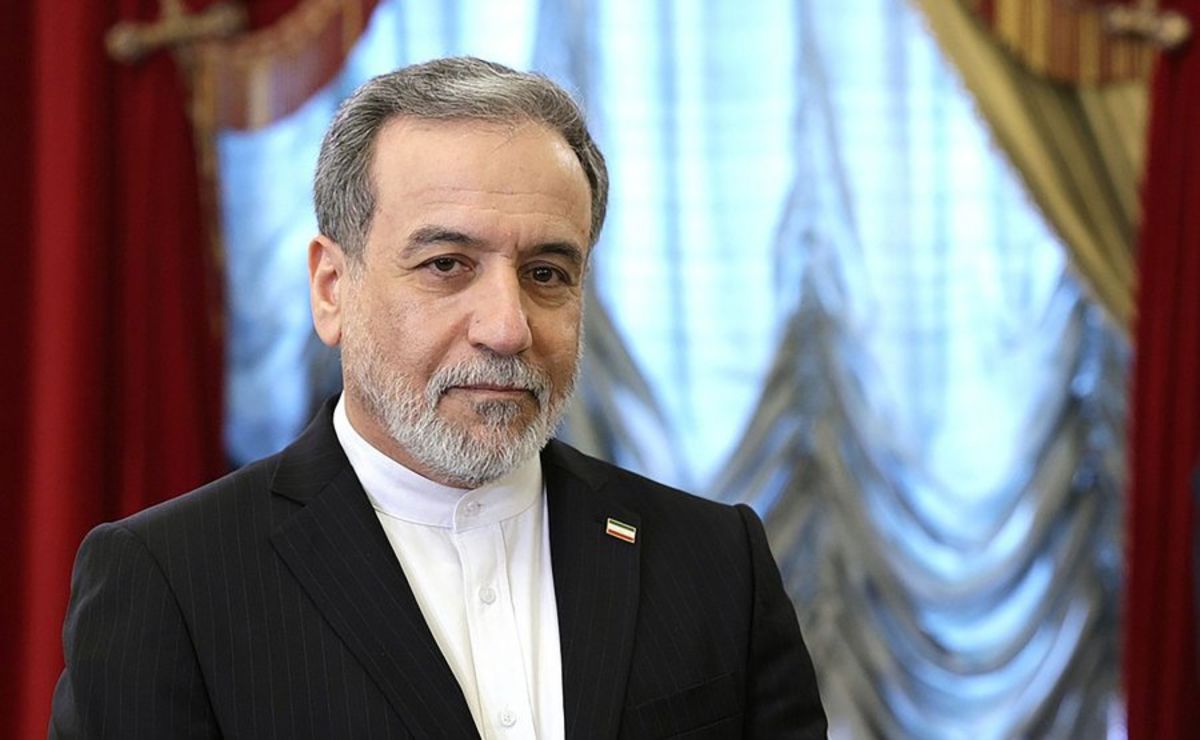
“Our 2-day proposal stands: meet the requirements, including end to war on all fronts, and you will see results. Or choose war, and see our alert and battle-hardened Warriors rain down hell,” Iranian Foreign Minister Seyed Abbas Araghchi said in a social media statement.
The warning came amid a stalemate in the war, now in its ninth month, and ongoing negotiations that have yet to produce a diplomatic breakthrough.
Speaking to reporters Sunday before heading to Paris for the G7 foreign ministers meeting, Secretary of State Marco Rubio said he didn’t have much progress to report concerning a diplomatic agreement on ending the war.
“I wouldn’t say we’re on a verge of a breakthrough,” he said.
“The president would always prefer to solve this and every problem diplomatically. Sometimes that’s not possible, unfortunately. But if there’s a chance to do it, we’ll explore it. Right now it hasn’t been very productive, because the Iranian demands are simply not just unacceptable, but in some cases, outrageous and ridiculous and really not realistic.”
In an interview with CNN on Sunday, Trump said whether U.S. strikes would resume depended on “whether or not they sign a very strong agreement.” However, he said a return to open hostilities was “highly unlikely.”
“I would if necessary, but we hit them really hard. I hit them so hard. You don’t know how hard I hit them,” he told CNN’s Jim Sciutto in the telephone interview.
“So, it’s highly unlikely I’ll have to. They’re withering away financially. We’ve hit them militarily. We could finish them off.”
The negotiations center in part on the vital Strait of Hormuz energy route, through which Iran has militarily restricted transit through following the initial U.S.-Israeli attack on Feb. 28.
Specifics of the proposal have not been entirely made public, but Araghchi said it would see the United States first meet several conditions on the first day of its implementation, including lifting sanctions, reducing its military presence in the region and unfreezing Iranian assets, while Tehran would, on the second day, reopen shipping lanes through the Strait of Hormuz.
Negotiations have been ongoing since at least Sept. 22, when U.S. and Iranian representatives held indirect talks through mediators on the sidelines of the U.N. General Assembly. Early this month, Araghchi said negotiations on a proposed two-day plan were being conducted through Qatari mediators, Iran state-run Press TV reported.
What began as a joint U.S.-Israeli military operation targeting Iran’s nuclear and military capabilities, accompanied by calls for regime change, has morphed into a protracted war.