
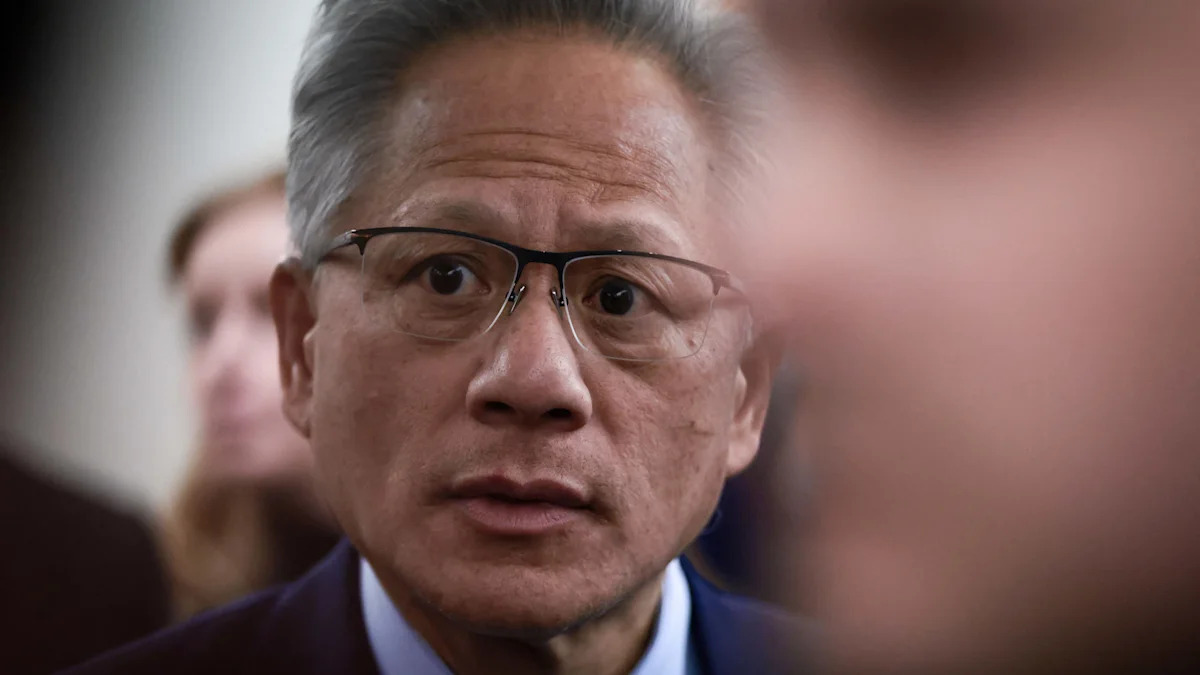
Months before Nvidia’s (NVDA) CEO Jensen Huang’s admitted affair and the board investigation into the matter made headlines, concerns over the world’s leading AI chipmaker’s exposure to China had already surfaced.
Back in May, activist short seller Culper Research said it initiated a short position in Nvidia, highlighting what it called ‘The China Problem.‘ At the time, shares of the AI chip giant were trading near record highs. Culper stressed that its thesis was not a bet against enterprise AI adoption, but rather a warning that the market was significantly underpricing Nvidia’s exposure to mainland China.
The short seller alleged that, even though Nvidia claimed its China sales had fallen to zero, upwards of 20% of the company’s fiscal 2026 data-center and computing revenue remained tied to China via third-party diversion across Southeast Asia.
The report specifically flagged Megaspeed, a Singapore-based cloud computing provider and major Nvidia customer, which the short seller claimed had underlying financial ties to Chinese tech giant Alibaba. The researchers also flagged Huang’s relationship with Megaspeed executive Alice Huang.
“Nvidia CEO Jensen Huang has not only vouched for Megaspeed, but seems to have quite literally walked alongside Megaspeed at every step, while maintaining an uncomfortably close relationship with Megaspeed’s Alice Huang, a Chinese national,” said the May report.
Pointing to rapid balance-sheet expansion at Megaspeed, the short seller questioned whether Nvidia was exercising enough diligence on the ultimate destination of its advanced chips. Megaspeed has denied participating in illegal hardware transfers, and Nvidia has maintained that its compliance audits found no evidence of export violations.