
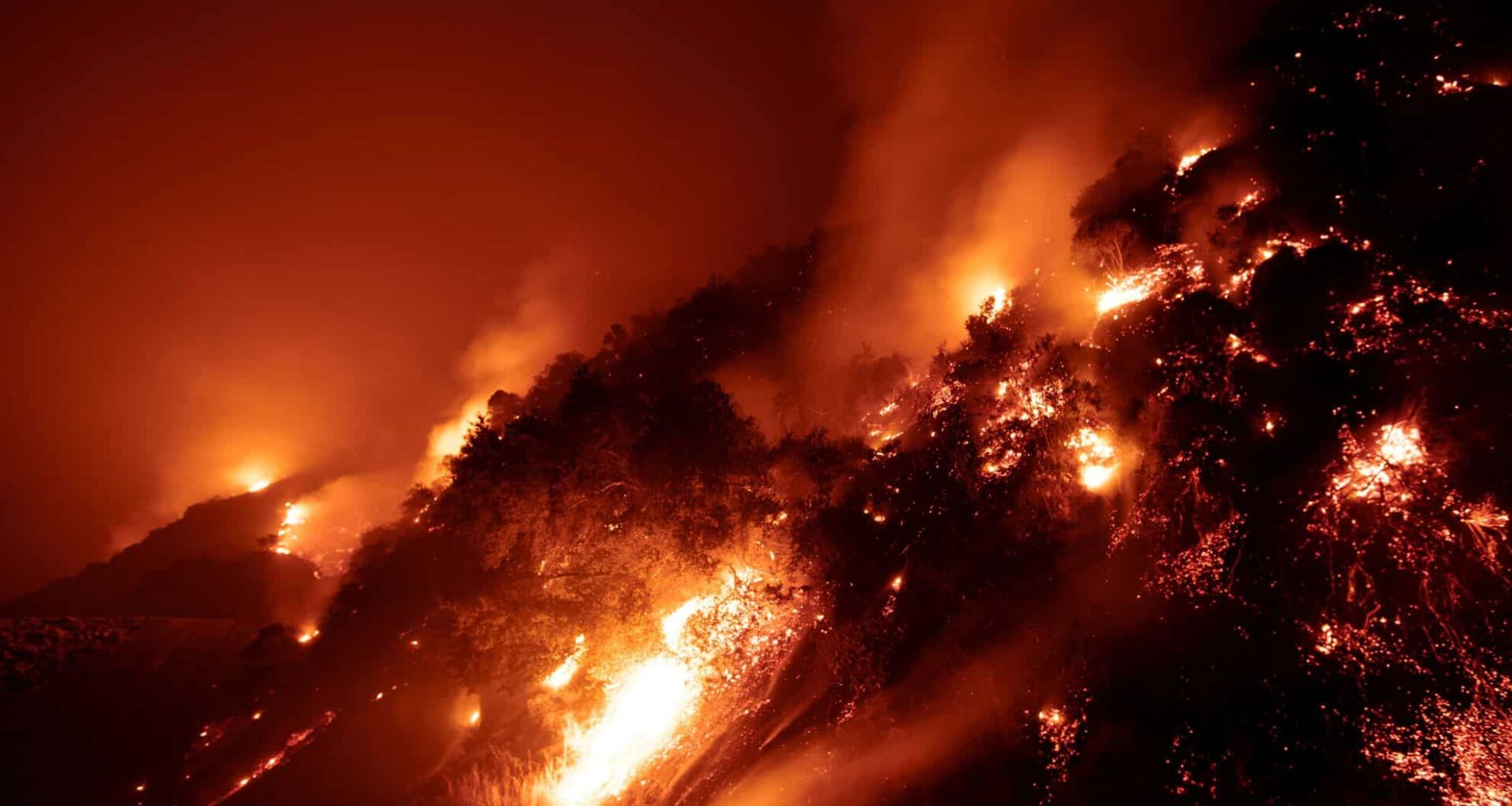
A recent study published in Science has uncovered a paradox in global wildfire trends. While the area of land burned by wildfires has decreased by 26% from 2002 to 2021, the number of people at risk has surged by nearly 40%. The researchers, led by experts from the University of California, Irvine, discovered that nearly 440 million people globally have been exposed to wildfires during this period.
The Global Wildfire Exposure Crisis
The paradox outlined in the study reveals a growing vulnerability to wildfires, even as the overall area burned decreases. Between 2002 and 2021, the total global burned area declined by 26%. However, during the same period, exposure to wildfires increased significantly, with nearly 440 million people affected. This increase, approximately 7.7 million people annually, can largely be attributed to rising population numbers and the migration of people into fire-prone landscapes. As more communities settle in areas historically vulnerable to wildfires, the risk of exposure increases.
A key aspect of this phenomenon is the rise of fire-prone landscapes due to climate change, urban expansion, and agricultural practices. The study also draws attention to the troubling role of population growth in exacerbating the situation. “The global paradox of decreased burn area and increased human impacts we uncovered … is due largely to an increasing overlap between human settlements and fire-prone landscapes,” explained Amir AghaKouchak, a co-author of the study. As urbanization continues, more people are living in areas where wildfires are a persistent threat, elevating the stakes for disaster management and emergency preparedness.
The Disproportionate Impact on Africa
While wildfires in countries like the United States, Canada, and Australia often dominate global media coverage, the reality is that Africa bears the brunt of wildfire exposure. The study found that 85% of global wildfire exposure occurred in Africa, particularly in countries such as the Congo, South Sudan, Mozambique, Zambia, and Angola. These nations alone accounted for half of the world’s total wildfire exposure. This finding emphasizes the need for a more global perspective on wildfire risk, as regions outside of the Western media spotlight are disproportionately impacted by these natural disasters.
The concentration of wildfire exposure in these African nations may be linked to a variety of socio-economic factors, including agricultural practices and deforestation. These regions face unique challenges, including limited resources for disaster prevention and response, making the growing risk of wildfires even more alarming.
Intense Fires in the Western U.S. and Beyond
While Africa experiences the highest level of exposure, the study highlights that the western United States, particularly California, remains a hotspot for intense wildfires. Mojtaba Sadegh, a senior author of the study, pointed out, “Nevertheless, the western U.S. and particularly California are hot spots of intense fires globally.” California’s disproportionate share of wildfire impacts is striking: “California experiences a disproportionately large share of U.S. fire impacts, accounting for 72 percent of human exposures despite comprising 15 percent of the nation’s burned area.” This finding underscores the state’s critical role in the broader conversation about wildfire risk.
California’s vulnerability is linked to several factors, including its large and dense population, the prevalence of wildland-urban interfaces, and increasingly extreme weather patterns. Climate change has intensified the frequency and severity of wildfires in the region, with rising temperatures, low humidity, and strong winds creating perfect conditions for fires to spread rapidly. As the frequency of fire-prone weather conditions continues to increase, the state faces an ongoing challenge in mitigating the threat posed by wildfires.
The Role of Climate Change and Extreme Fire Weather
Climate change is a driving force behind the growing intensity of wildfires, particularly in regions like North and South America. Over the past four decades, fire weather conditions—such as extreme heat, low humidity, and high winds—have worsened globally. “As climate change intensifies fire weather and global populations continue to expand into fire-prone zones, proactive mitigation will be increasingly critical to reduce the risk of future wildfire disasters,” said AghaKouchak. Extreme fire weather has risen by more than 50% globally, a trend that is expected to continue as temperatures rise.
This changing climate, combined with human activities such as land development and fire suppression practices, has led to more frequent and intense wildfire events. The study suggests that areas like California, which have long struggled with severe fires, are seeing an increase in the frequency of “extreme-impact wildfires.” In fact, the frequency of fire weather conditions conducive to such fires has quadrupled in California from 1990 to 2022. These intensified fire conditions create an urgent need for proactive wildfire management and disaster planning.