
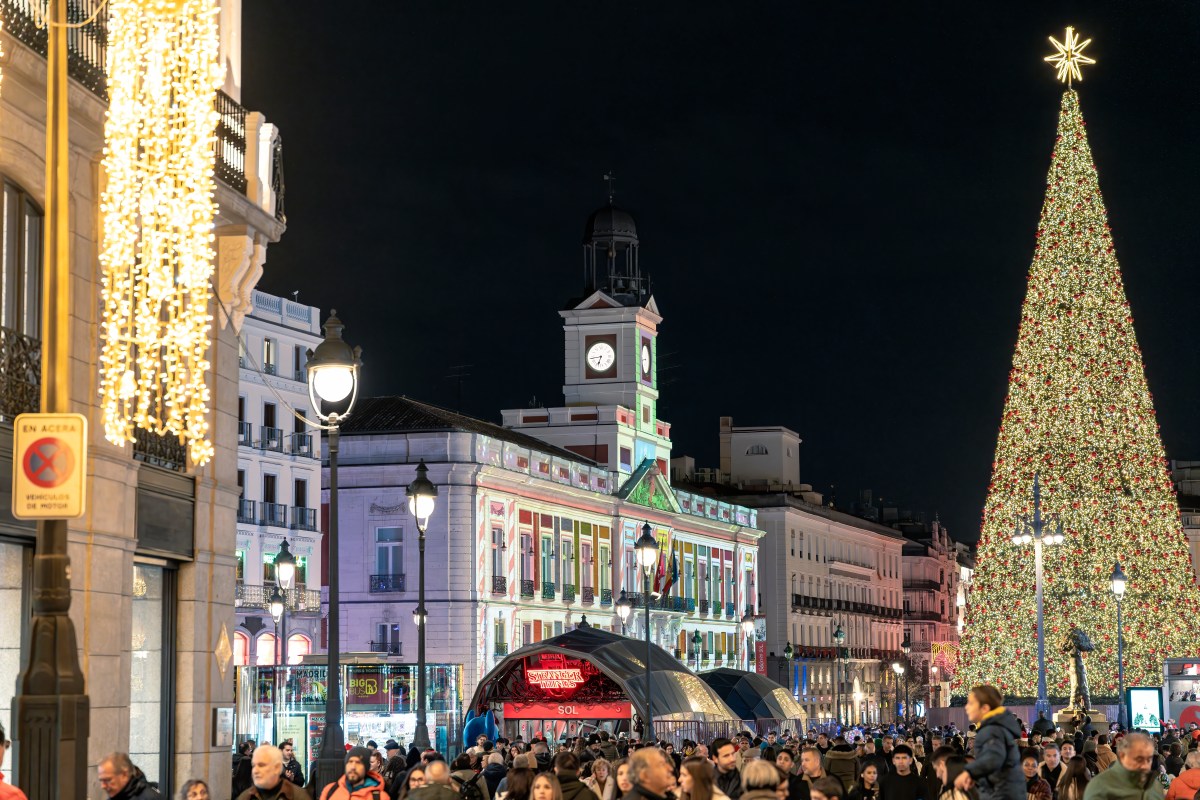
U.S. embassies across Europe have issued coordinated security alerts urging Americans to remain vigilant at holiday markets, festivals, transportation hubs and other crowded public places.
Newsweek verified versions published by at least 11 U.S. missions, including those in London, U.K., Berlin, Germany, Madrid, Spain, Dublin, Ireland, Lisbon, Portugal, and Sofia, Bulgaria. Most were published on November 16, while missions in Lithuania, Ukraine, and Russia dated their notices November 13. The notices contain substantially identical guidance and do not describe a confirmed or city-specific terrorist plot.
The alerts describe the location of the warning as “Europewide,” although the Dublin alert is formally designated for Ireland countrywide and the London notice lists both the United Kingdom and Europe.
Read More on Holidays
The warnings come amid heightened global security concerns, with the United States deeply involved in conflicts and diplomatic efforts spanning Europe and the Middle East. Russia’s war in Ukraine continues as Washington pushes negotiations aimed at ending the conflict, while the U.S. remains engaged in an ongoing conflict with Iran that has raised fears of further escalation beyond the Middle East. Iran has recently threatened U.S. military bases in Europe if they are used in future attacks against the country.
A State Department spokesperson told Newsweek on Monday afternoon that the new alert is to provide general safety and security information for U.S. citizens during the holiday season. The spokesperson said there is no higher priority to the Trump administration than Americans’ safety and security.
 Europe Security Alert: What We Know
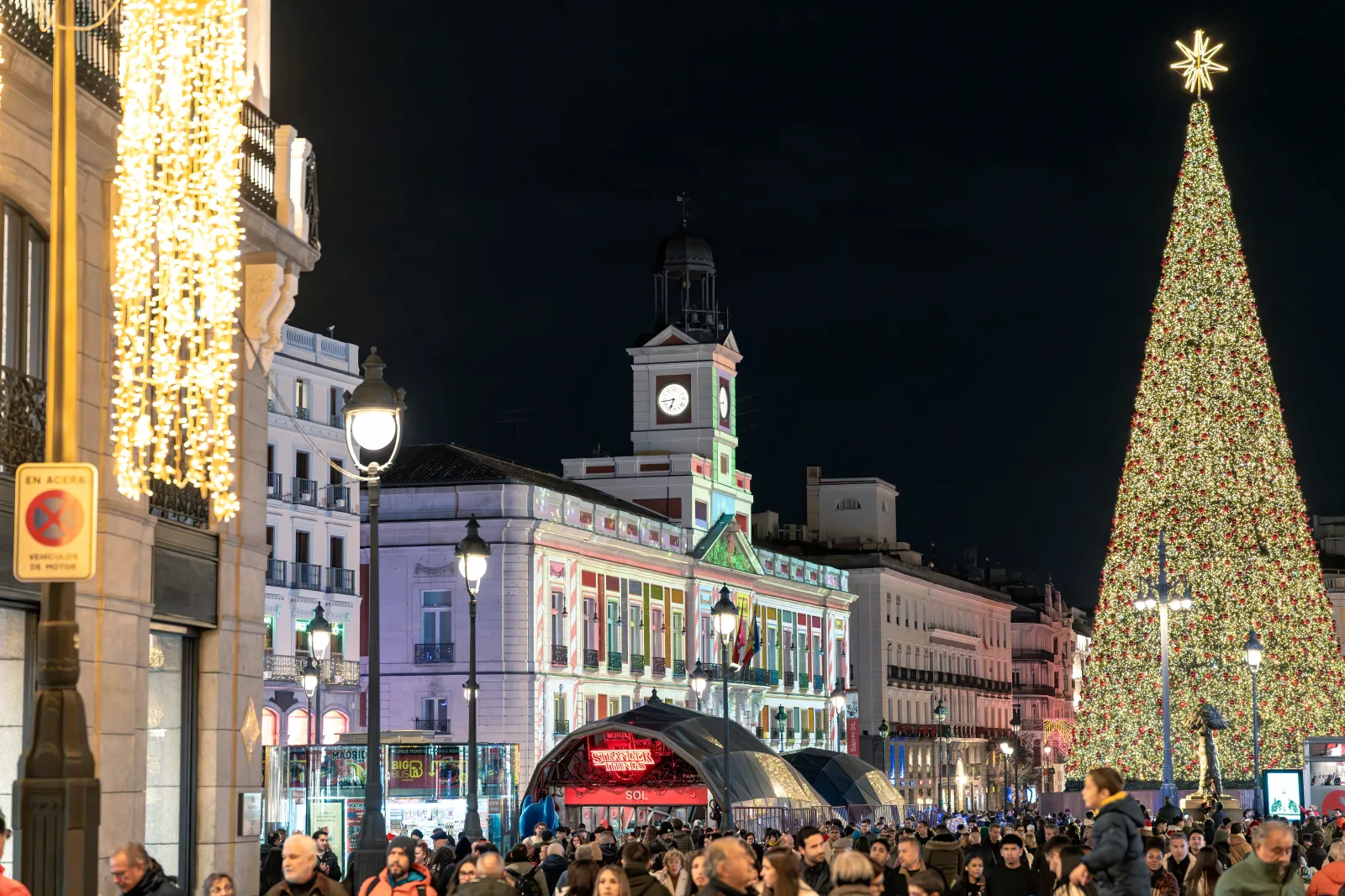
The Europe-wide security alert urged Americans to “remain vigilant” throughout the holiday season. The warning comes ahead of the busy holiday travel season, when Americans travel abroad for Thanksgiving, Christmas and New Year’s, including to popular European destinations.
“Large gatherings and public events may present a target of opportunity for terrorist groups and criminals,” the alert said. “Terrorists—including lone actors—may attack with little or no warning, targeting tourist locations such as markets, transportation hubs, shopping malls, place of worship, and other public areas.”
Extra caution should be used at holiday festivals, events, and at locations with large crowds, the alert said.
The alert also warned about ongoing protests across the continent, as well as recent bomb threats that turned out to be a hoax.
“Disruptions to travel and daily life remain possible across Europe during the holiday season,” the alert continued. “Strikes and demonstrations have occurred with greater frequency in recent months. In November, hoax bomb threats targeted civil aviation in numerous European countries, disrupting flights.”
Several popular European destinations, such as France, Spain, Italy, Germany, and the United Kingdom, had a Level 2 travel advisory in place, in which Americans traveling to those countries were urged to “exercise increased caution.”
What Americans in Europe Are Being Advised To Do
Across the notices, U.S. citizens were advised to:
Remain alert and aware of their surroundings;Exercise particular vigilance at holiday festivals and crowded events;Avoid demonstrations and areas with substantial police activity;Monitor local news and follow instructions from police and emergency officials;Check with airlines about travel disruption;Keep family members or other trusted contacts informed of travel plans; andEnroll in the State Department’s Smart Traveler Enrollment Program to receive local security updates.London and Berlin
The U.S. Embassy in London told Americans in the U.K. to exercise extra vigilance at holiday festivals, public events and other crowded locations. It said large gatherings could offer “a target of opportunity for terrorist groups and criminals,” including lone actors operating with little or no warning.
The U.S. Embassy in Berlin issued the same Europe-wide warning, identifying markets, transportation hubs, shopping malls, places of worship and other public areas as locations where visitors should pay particular attention to their surroundings.
Madrid, Lisbon and Dublin
The U.S. Embassy in Madrid and U.S. Embassy in Lisbon described their alerts as Europe-wide. The U.S. Embassy in Dublin repeated the warning about holiday events, tourist areas and transport hubs.
The notices also warned that strikes and demonstrations could disrupt travel and daily life. They referred to hoax bomb threats affecting civil aviation in several European countries during November but did not identify the countries or connect those incidents to a confirmed terrorist plot.
Alerts in Eastern Europe and the Baltics
The U.S. Embassy in Riga and the American mission in Vilnius issued the same holiday-security guidance for Latvia and Lithuania respectively. Americans were advised to monitor local news, avoid demonstrations and areas of significant police activity, and contact airlines about possible disruption.
Related notices were also published by U.S. missions in Kyiv, Moscow and Podgorica, Montenegro. The Ukraine and Russia versions were three days before most of the other confirmed alerts appeared.
The notices from Ukraine and Russia should not be taken to mean their travel risks are equivalent to those elsewhere in Europe. Both countries currently carry Level 4 “Do Not Travel” designations from the State Department, while Bulgaria, Ireland, Lithuania, Montenegro and Portugal are shown at Level 1 and Germany, Spain and the United Kingdom at Level 2 on their respective embassy pages.
Americans Told Not To Travel To 24 Countries: Full List
Twenty-four countries are ranked as Level 4: Do Not Travel, according to the State Department. They are:
AfghanistanBelarusBurkina FasoBurmaCentral African RepublicChadDemocratic Republic of the CongoGazaHaitiIranIraqLebanonLibyaMaliNigerNorth KoreaRussiaSomaliaSouth SudanSudanSyriaUgandaUkraineYemen
For a full map of the current travel advisories, visit the State Department website here.
What Happens Next
While much of Europe is still considered safe to travel to, American travelers are urged to remain aware of their surroundings, secure their valuables properly, notify loved ones of their travel plans, monitor local news, and enroll in the Smart Traveler Enrollment Program (STEP), which allows the Department of State to accurately and quickly contact Americans traveling abroad in case of emergency. Enrollment in the program is free.
Newsweek’s reporters and editors used Martyn, our AI assistant, to produce this story. Learn more about Martyn here.
Contact Newsweek editors on this story: Samantha Beech, Gray R. Thomas and Emma Lee-Sang
Update 11/17/26, 3:07 a.m. ET: This article was updated with additional information.