
(Nov. 17, 2026 / JNS)
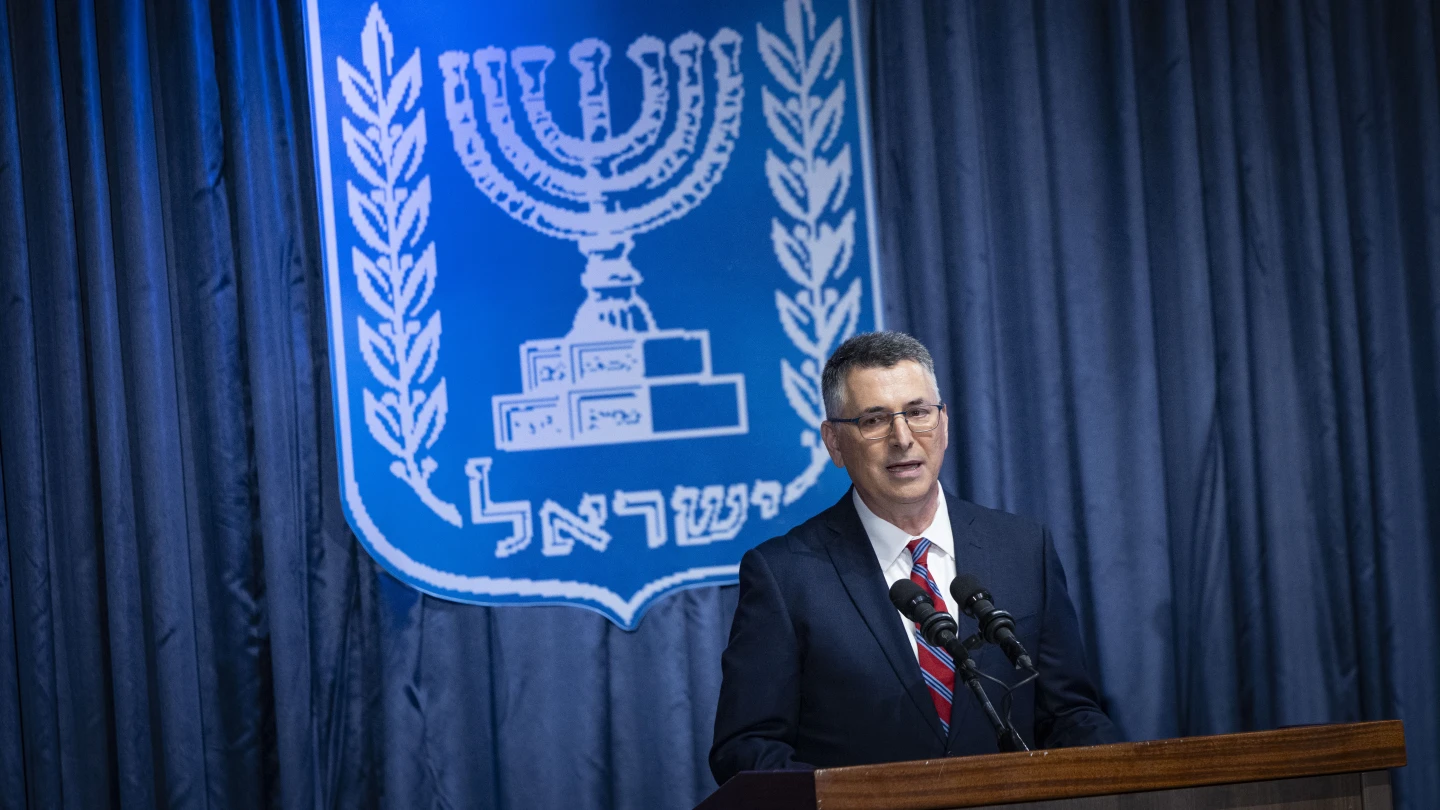
Israeli Foreign Minister Gideon Sa’ar vowed countermeasures on Tuesday in response to additional sanctions announced by Britain’s Labour Party government, calling them “a hostile act targeting private, law-abiding companies.”
“Israel will not bow to external pressure or change its policies as a result,” Sa’ar wrote. He stated that Jerusalem would consider new ways to strengthen Jewish communities in Judea and Samaria and act to protect those involved in developing and building Israel, in accordance with government decisions.
“The Jewish people have the right to live in their historic homeland. The Jewish people’s historical rights in Judea and Samaria date back thousands of years and were recognized, inter alia, in the Balfour Declaration and the British Mandate,” he said.
Israel views with the utmost gravity the additional sanctions announced today by the British Labour government.
This is a hostile act targeting private, law-abiding companies.
The Jewish people have the right to live in their historic homeland. The Jewish people’s historical…
— Gideon Sa’ar | גדעון סער (@gidonsaar) November 17, 2026
Sa’ar accused the British government of hostility and bias, contrasting its sanctions with its failure to act against the Palestinian Authority over what he described as payments encouraging terrorism, incitement in its education system and illegal construction violating signed agreements.
“As in the past, Israel will respond to the British government’s actions with countermeasures,” he said. “A wide range of possible responses is currently under consideration.”
Decisions would be announced “in due course,” he added.
On Tuesday, the United Kingdom imposed sanctions on eight Israeli construction and property development companies operating in Judea and Samaria, as well as on Tzav 9, an activist group accused of obstructing humanitarian aid deliveries to Gaza. The measures include asset freezes and director disqualifications.
British Foreign Secretary Ed Miliband said the measures were intended to help preserve a future two-state solution.
London said it aimed to disrupt financing for construction in Judea and Samaria, particularly ahead of tender deadlines associated with the E1 development project near Ma’ale Adumim. It maintains that construction there would undermine the territorial viability of a future Palestinian state.
The British government also said it was continuing to develop legislation to ban imports of goods produced in Israeli communities in Judea and Samaria, as well as advertising services for properties in those communities. It considers the communities illegal under international law, a position Israel disputes.
The latest measures follow a diplomatic confrontation in September, when Miliband announced plans for an import ban and additional measures targeting construction in Judea and Samaria. Israel subsequently announced retaliatory steps, including the closure of the British Consulate General in Jerusalem, restrictions on British participation in Gaza-related coordination activities and entry bans on several British officials.
An October understanding allowed Britain to retain a reduced diplomatic presence in Jerusalem. The former consulate was renamed the U.K. Mission, Jerusalem, with seven diplomats permitted to operate there after approximately 20 British personnel were withdrawn.